
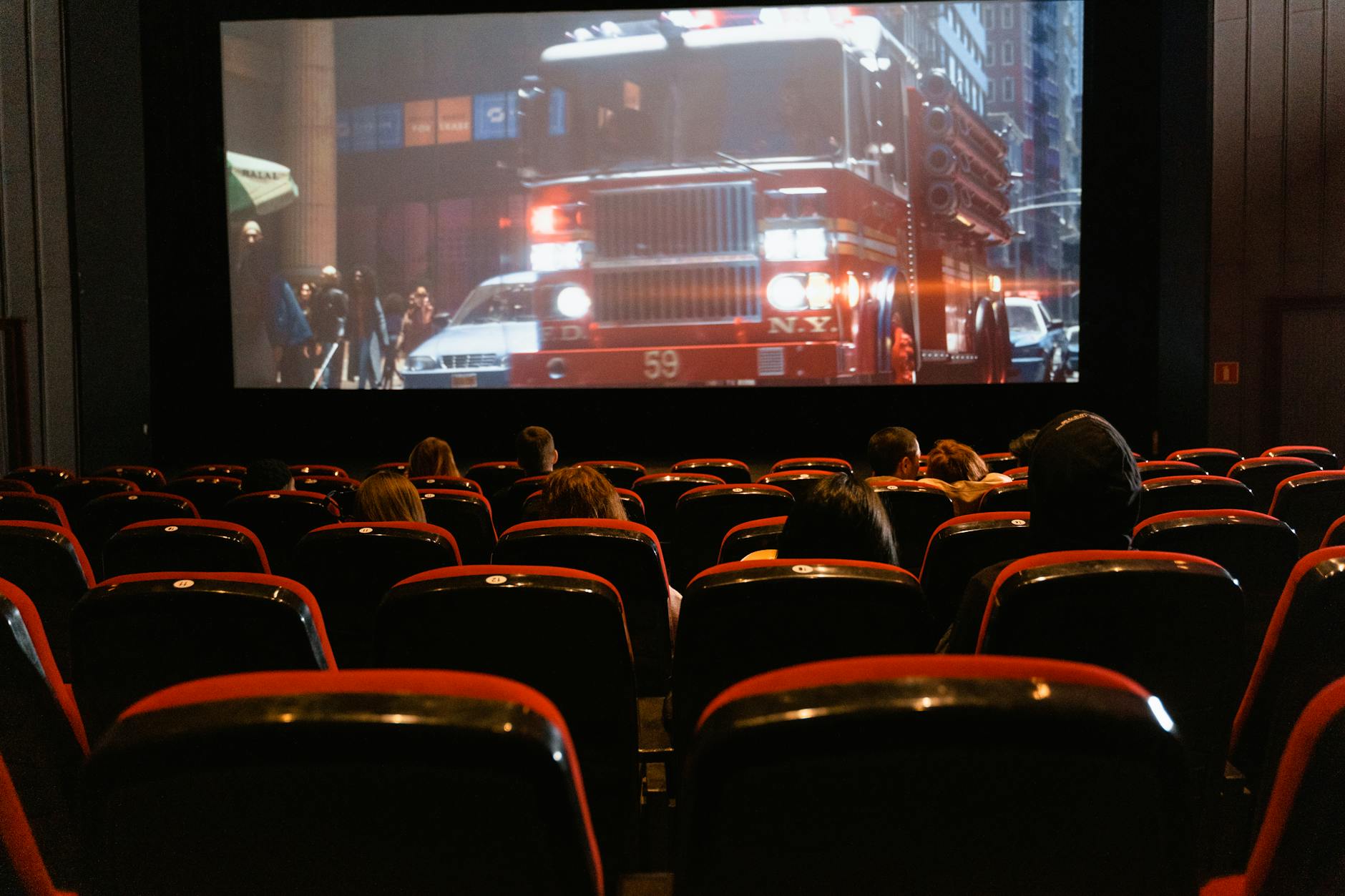
Movie theaters have changed dramatically over the decades. While today’s cinemas offer reclining seats, reserved seating, and massive digital screens, many longtime moviegoers remember a different kind of experience—one that felt more social, immersive, and theatrical in a simpler way.
During the Baby Boomer era, movie theaters weren’t just places to watch films. They were community spaces with unique traditions, amenities, and quirks that shaped the entire experience. Some of these features have disappeared over time, replaced by modern convenience and efficiency.
Curtain-Raised Screen Presentations
One of the most memorable features of classic theaters was the physical curtain that would open before the film began. This simple touch added a sense of ceremony and anticipation to every screening.
The moment the curtains slowly parted, audiences knew the show was starting. It created a theatrical atmosphere that made even ordinary films feel like special events.
Modern digital projection systems rarely use curtains, but many movie fans miss the dramatic buildup they provided.
Intermission Breaks During Films
Intermissions were once a standard part of longer movies, especially epics and dramas. These breaks gave audiences time to stretch, use the restroom, and purchase snacks before returning for the second half of the film.
Unlike today’s continuous screenings, intermissions created a natural pause point that helped viewers absorb the story in segments.
They also encouraged social interaction in the lobby, turning moviegoing into a more communal experience rather than a silent, uninterrupted viewing.
Theater Usher Seating Assistance
In earlier decades, ushers played a more visible role in guiding guests to their seats. They often used flashlights in dark auditoriums and sometimes even escorted patrons to specific rows.
This added a sense of service and order that is largely absent in modern multiplexes. Ushers also helped maintain decorum during screenings, ensuring fewer distractions.
Today, most theaters rely on self-seating systems, which are efficient but less personal.
Elaborate Lobby Decor and Marquees
Classic movie theaters often featured grand lobbies with ornate decor, chandeliers, velvet carpets, and elaborate architectural designs. The exterior marquees were also highly stylized, displaying hand-changed lettering and vibrant lighting.
These design elements made going to the movies feel like attending a special cultural event rather than a routine outing.
While some restored theaters still preserve this style, most modern cinemas prioritize minimalism and commercial branding over artistic design.
Newsreels and Short Feature Segments
Before the main film, audiences in the Baby Boomer era often watched newsreels, cartoons, or short documentaries. These segments provided entertainment and information while building anticipation for the feature presentation.
Newsreels in particular offered a shared way for audiences to stay informed about world events before television became widespread.
This multi-part viewing experience made moviegoing feel richer and more varied than today’s single-feature format.
Some common pre-movie features included:
- Animated shorts
- Weekly news updates
- Educational mini-documentaries
- Comedy skits or serial episodes
Double Feature Movie Showings
Double features were once a major attraction, offering two full-length films for the price of one admission. This format gave audiences extended entertainment and made moviegoing feel like a full evening experience.
Often, a main feature would be paired with a lesser-known or genre film, giving viewers unexpected variety.
While occasional special screenings still use this format, it is far less common in modern theaters due to scheduling and revenue considerations.
Why Movie Theaters Have Changed
Many of these features disappeared as theaters adapted to changing business models and audience expectations. Efficiency, shorter runtimes between screenings, and digital technology all contributed to streamlined experiences.
Modern theaters prioritize:
- Faster turnover between showings
- Increased seat capacity efficiency
- Premium seating options
- Digital projection systems
While these changes improve convenience, they often reduce the ritualistic feel of classic moviegoing.
Conclusion
Baby Boomer-era movie theaters offered a richer, more theatrical experience built around ceremony, community, and presentation. Features like intermissions, ushers, and double features helped transform film viewing into a full evening event. While modern cinemas offer comfort and efficiency, many classic elements still hold nostalgic appeal.




Leave a Reply