
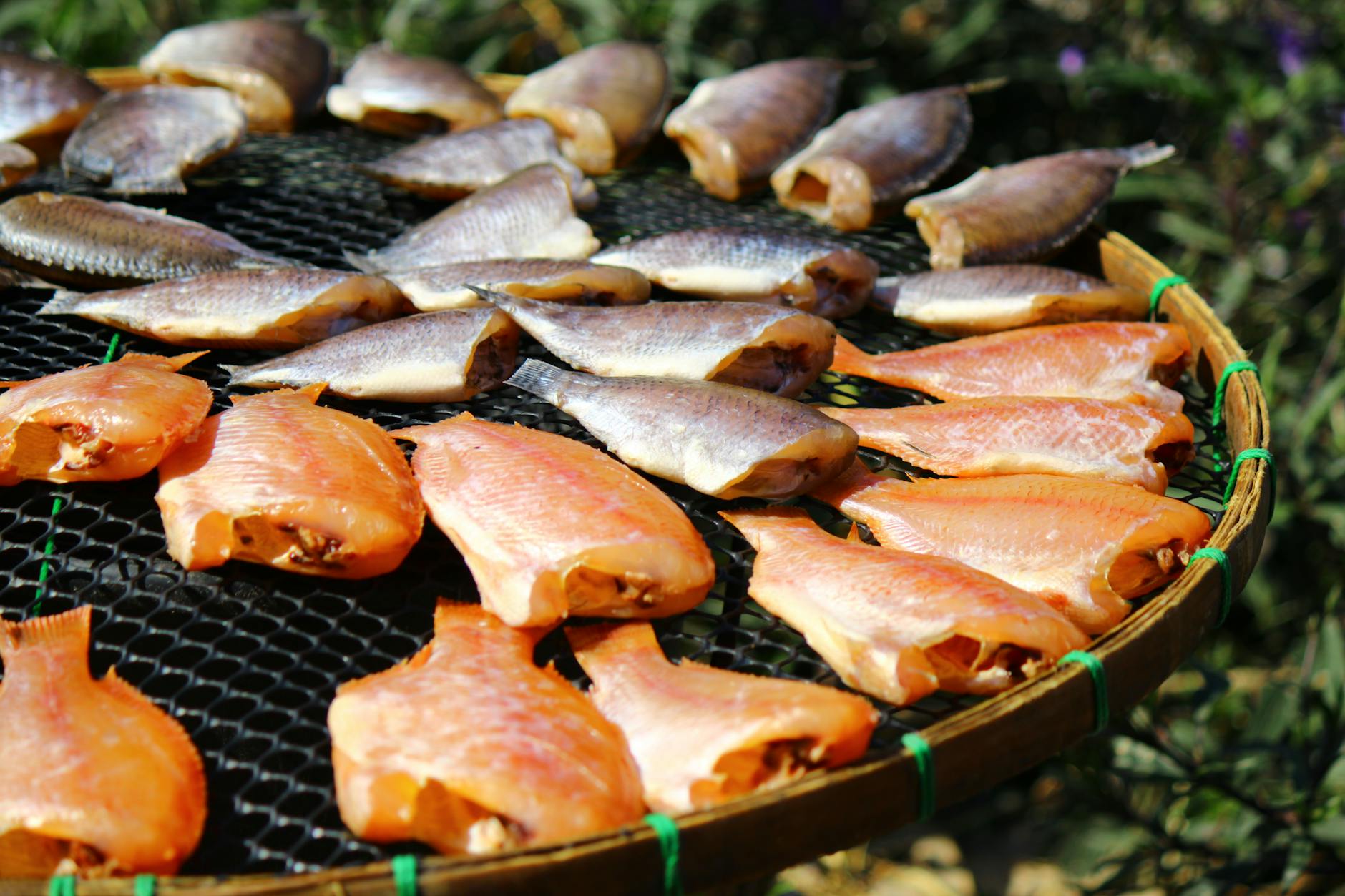
Seafood can be one of the healthiest protein sources available, offering omega-3 fatty acids, lean protein, and essential nutrients. However, not all seafood sold in grocery stores is equal in quality or safety.
Because seafood is highly perishable, factors like storage temperature, handling practices, and sourcing methods can significantly affect freshness. Some types of seafood are more prone to spoilage, contamination, or quality loss when purchased from standard grocery store displays.
Knowing which seafood items to avoid can help reduce waste and improve both flavor and food safety at home.
Pre-Cooked Shrimp
Pre-cooked shrimp may seem convenient, but it is often one of the least reliable seafood options in grocery stores. Once shrimp is cooked and chilled, it begins losing texture quickly and can become rubbery or overly soft.
In many cases, pre-cooked shrimp is also sourced from lower-quality batches because cooking masks imperfections. This makes it harder for consumers to judge freshness based on appearance alone.
Additionally, shrimp is highly sensitive to improper storage temperatures, which can increase spoilage risk if refrigeration conditions fluctuate during transport or display.
Fresh or frozen raw shrimp is generally a better option for both flavor and texture control.
Store-Brand Sushi Seafood
Pre-packaged sushi from grocery stores often contains seafood that has been previously frozen and thawed for assembly. While this is standard practice, the quality can vary significantly depending on handling and turnover rate.
Because sushi-grade seafood requires strict temperature control, any inconsistency in storage can affect taste and safety. Rice and seafood mixtures also degrade quickly once packaged, leading to changes in texture and flavor within hours.
Some common concerns with store sushi seafood include:
- Limited freshness windows
- Inconsistent refrigeration during display
- Lower-grade fish cuts
- Reduced flavor quality compared to restaurant sushi
For seafood lovers, freshly prepared sushi from reputable restaurants is typically a safer and more enjoyable choice.
Farmed Tilapia Fillets
Tilapia is widely available and often inexpensive, but grocery store farmed tilapia can vary significantly in quality depending on sourcing practices.
Some mass-produced tilapia comes from intensive aquaculture systems where fish are raised in crowded environments. This can affect texture and flavor, sometimes resulting in a mild but less desirable taste compared to higher-quality fish.
Additionally, fillets are often frozen and thawed before display, which can impact moisture retention and firmness when cooked.
Choosing higher-quality wild-caught or responsibly farmed alternatives can improve both flavor and nutritional value.
Smoked Fish From Open Displays
Smoked salmon, trout, and other smoked seafood products are popular deli items, but those displayed in open refrigerated cases may present quality concerns if turnover is slow.
Exposure to air and fluctuating temperatures can reduce freshness and alter texture. Smoked fish is also sensitive to improper sealing, which can shorten shelf life even when refrigerated.
Because smoked seafood is already partially preserved, it may hide subtle signs of spoilage until it is consumed.
Consumers should look for tightly sealed packaging and clear expiration dates when purchasing smoked fish products.
Imitation Crab Meat
Imitation crab, often labeled as “crab sticks” or “surimi,” is a highly processed seafood product made primarily from fish paste, starches, and flavoring agents.
While it is affordable and widely used in salads and sushi rolls, it lacks the nutritional profile of real crab and often contains additives such as sodium, sugars, and preservatives.
Quality can vary between brands, and some versions may have overly processed textures or artificial flavors that differ significantly from real seafood.
Several characteristics to watch for in processed seafood products include:
- High sodium content
- Artificial flavoring agents
- Low actual seafood percentage
- Extended shelf stability additives
Why Grocery Store Seafood Quality Varies
Seafood quality depends heavily on handling, temperature control, and supply chain speed. Unlike many other proteins, seafood deteriorates quickly if not stored properly.
Factors that influence quality include:
- Time since harvest or catch
- Storage temperature consistency
- Packaging method (fresh vs frozen)
- Frequency of restocking in stores
Even high-quality seafood can decline quickly if these conditions are not properly maintained.
Better Seafood Buying Practices
Consumers can improve seafood quality by choosing frozen options, checking labeling carefully, and buying from stores with high turnover rates.
Helpful tips include:
- Buying frozen seafood when freshness is uncertain
- Choosing vacuum-sealed products over open displays
- Looking for clear sourcing information
- Avoiding seafood with strong odors or excess liquid
These habits help ensure better flavor and safety when preparing seafood at home.
Conclusion
While grocery stores offer a wide variety of seafood options, not all selections provide the same level of freshness or quality. Items like pre-cooked shrimp, imitation crab, and open-display smoked fish can vary widely depending on handling and storage. Choosing carefully and understanding quality indicators can lead to safer and more enjoyable seafood meals.


Leave a Reply