
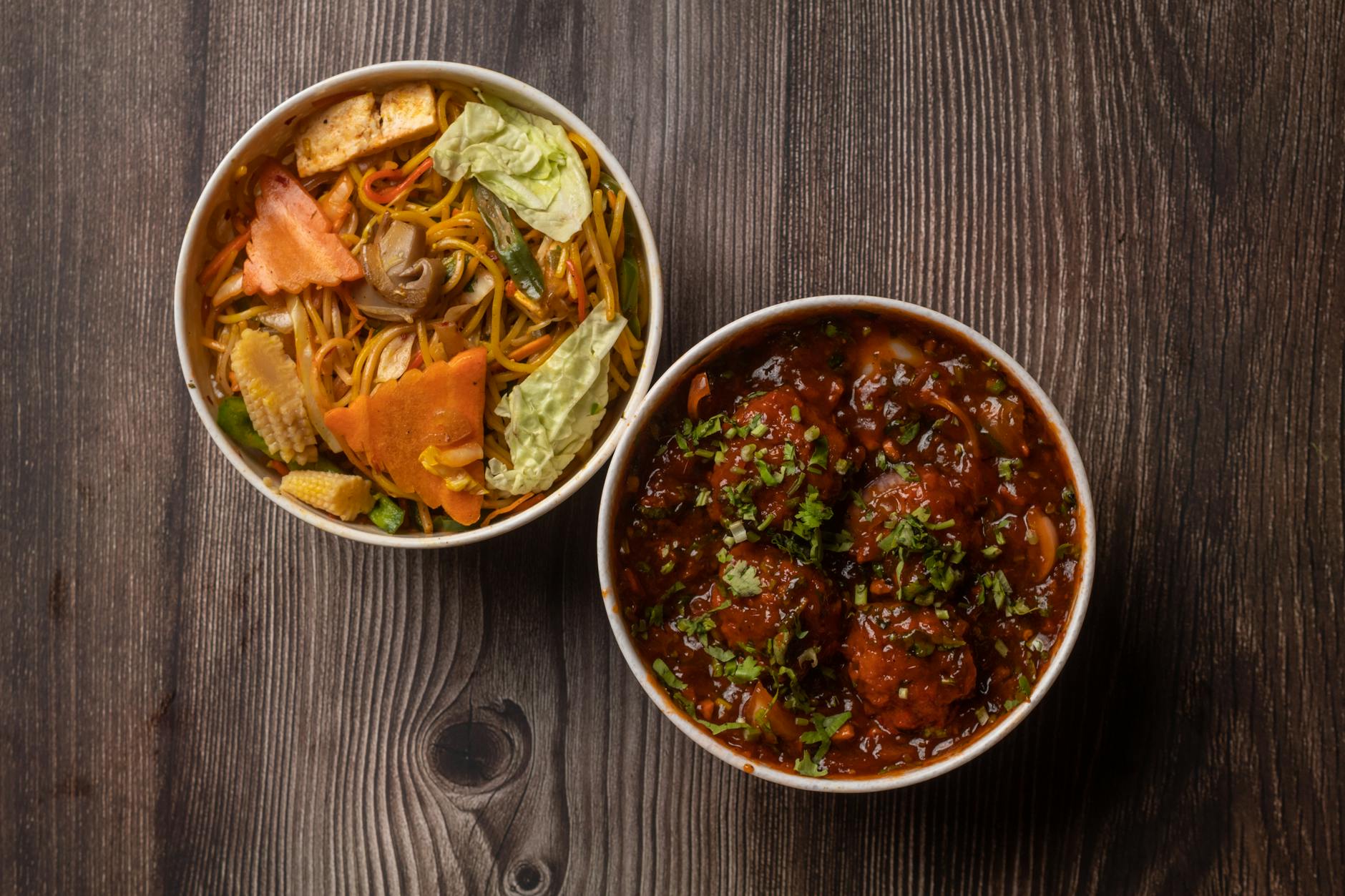
Chinese cuisine is incredibly diverse, ranging from light vegetable-based stir-fries to heavily preserved or deep-fried dishes. While many traditional meals are nutrient-rich and balanced, some popular restaurant or takeout items may contain ingredients or cooking methods that, when consumed frequently, are associated with long-term health risks.
Research on diet and cancer risk often focuses on patterns such as high sodium intake, processed meats, and frequent consumption of fried foods rather than individual dishes alone. Understanding how certain meals are prepared can help guide healthier choices without avoiding an entire cuisine.
Char Siu (Chinese BBQ Pork)
Char siu is a popular Cantonese dish made from roasted pork that is typically marinated in a sweet and savory glaze before being cooked at high temperatures.
The cooking process often involves roasting over open heat, which can produce compounds associated with charred or heavily browned meats. In addition, many versions contain added sugars and sodium-heavy marinades.
Frequent consumption of heavily processed or charred meats is often discussed in dietary research as a factor that may contribute to increased health risks when part of a larger unhealthy diet pattern.
Deep-Fried Spring Rolls
Spring rolls are a popular appetizer in Chinese restaurants, but the deep-fried version is often high in refined carbohydrates and oils.
The frying process can significantly increase calorie density and introduce oxidized fats if oils are reused or overheated. Fillings may also include processed meats or high-sodium seasonings.
While occasional consumption is common, frequent intake of deep-fried foods is generally associated with higher inflammation and metabolic strain.
Kung Pao Chicken (Restaurant Versions)
Kung Pao chicken is a widely recognized Sichuan-inspired dish that combines chicken, peanuts, vegetables, and a spicy sauce.
In many restaurant versions, the dish contains added sugar, sodium-heavy sauces, and sometimes deep-fried chicken pieces rather than stir-fried versions.
High sodium intake over time is linked in nutritional research to increased cardiovascular strain, and some studies suggest that diets high in processed sauces may contribute to broader health risks when paired with other unhealthy habits.
Home-cooked versions can be significantly lighter and more balanced than takeout versions.
Chinese Sausage Fried Rice
Fried rice dishes that include Chinese sausage (lap cheong) are flavorful but often high in sodium and saturated fats due to the cured meat component.
Chinese sausage is a preserved meat, and processed meats in general are frequently studied in relation to long-term health risks when consumed regularly.
Combined with white rice and oil used in frying, this dish can become calorie-dense and low in fiber unless balanced with vegetables.
Sweet and Sour Pork
Sweet and sour pork is a popular takeout dish known for its crispy battered meat and sugary sauce.
The pork is typically deep-fried, and the sauce often contains added sugars and vinegar-based glazes that contribute to high overall calorie content.
Frequent consumption of fried, breaded meats combined with sugary sauces may contribute to dietary patterns associated with increased health risks over time.
Several common nutritional concerns in such dishes include:
- High added sugar content
- Deep-frying in refined oils
- Low fiber content
- High sodium levels
Why Cooking Methods Matter More Than Cuisine
It is important to emphasize that no single cuisine is inherently unhealthy. Instead, preparation methods and frequency of consumption play a much larger role in overall health outcomes.
Healthier cooking techniques include:
- Steaming
- Light stir-frying
- Boiling or braising
- Using fresh ingredients with minimal added sodium
Traditional Chinese cooking also includes many vegetable-rich and lightly prepared dishes that are far more balanced.
Healthier Ways to Enjoy Chinese Food
You can still enjoy Chinese cuisine while making more health-conscious choices by modifying preparation and ingredients.
Better options include:
- Choosing steamed dishes instead of fried
- Requesting sauce on the side
- Adding extra vegetables
- Limiting processed meats
These small adjustments can significantly improve nutritional balance without giving up favorite flavors.
Conclusion
Many popular Chinese dishes can be part of a balanced diet, but frequent consumption of heavily fried, sugary, or processed-meat-based meals may contribute to dietary patterns associated with higher long-term health risks. Understanding preparation methods helps support smarter and more balanced food choices.


Leave a Reply