
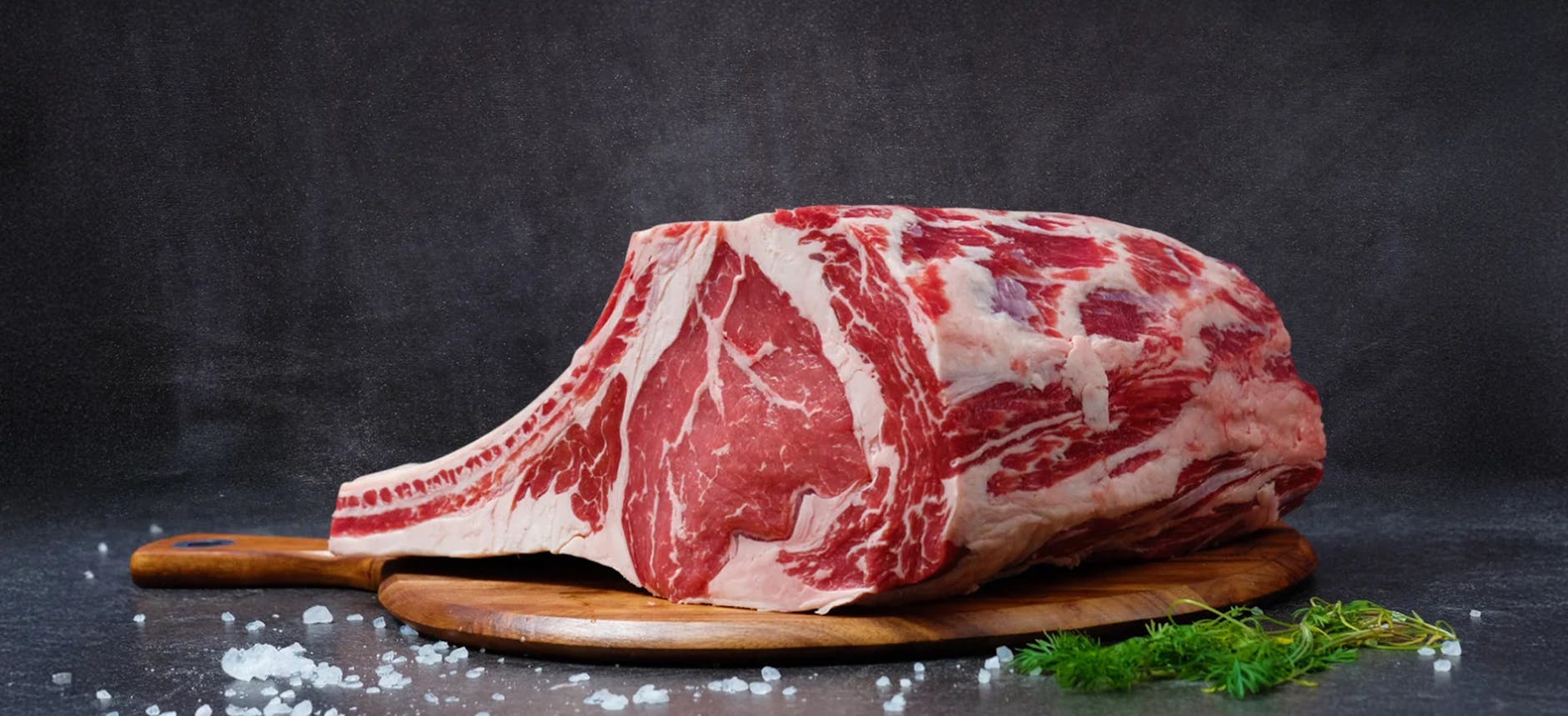
Grocery shoppers have already experienced major food price swings over the past several years, and meat prices remain one of the most unpredictable categories in supermarkets. Supply chain disruptions, feed costs, drought conditions, labor shortages, and international demand all continue affecting prices across the meat industry.
While no forecast is guaranteed, several meat categories appear especially vulnerable to noticeable price increases in 2026. Consumers may see the biggest jumps in meats already facing supply pressure or rising production costs.
Beef Ribeye Steaks
Ribeye steaks are already among the most expensive cuts in most grocery stores, and prices could climb even higher in 2026. Cattle herd reductions in recent years have tightened beef supplies across parts of the United States.
Because ribeye comes from a premium section of the cow, limited supply tends to push prices upward very quickly. Restaurants also compete heavily for these cuts, increasing demand pressure even further.
Feed costs remain another major factor. Corn and grain prices significantly affect cattle production expenses, and those costs often get passed directly to consumers.
As a result, premium steak dinners may become increasingly expensive both at grocery stores and restaurants.
Ground Beef
Ground beef may surprise some consumers by appearing on this list because it is traditionally viewed as a budget-friendly protein. However, tightening cattle supplies can affect lower-cost beef products just as much as premium cuts.
Ground beef demand also tends to remain strong even during economic slowdowns because families rely on it for affordable meals like burgers, tacos, and pasta dishes.
When supply decreases while demand stays high, prices often rise rapidly. Leaner ground beef varieties may experience especially noticeable increases because of growing health-conscious demand.
Bacon
Bacon prices have fluctuated dramatically in recent years, and several industry trends suggest more volatility could continue into 2026. Pork production costs remain sensitive to feed prices, transportation expenses, and disease concerns affecting hog populations.
Bacon also benefits from extremely strong consumer demand, especially in restaurants and fast-food chains. Premium thick-cut bacon products have become increasingly popular, further pushing pricing higher.
Several factors may contribute to rising meat costs in 2026:
- Higher livestock feed expenses
- Reduced herd sizes
- Transportation and labor costs
- Increased restaurant demand
These pressures can affect both premium and everyday grocery items.
Chicken Wings
Chicken remains one of America’s most popular proteins, but wings occupy a unique pricing category because demand dramatically exceeds supply at times.
Unlike chicken breast or thighs, there are only two wings per bird, making supply naturally limited. Sports events, restaurant promotions, and takeout demand frequently create pricing spikes.
Wing shortages have already caused major price swings in past years, and strong demand trends may continue driving costs upward in 2026.
Consumers looking for cheaper alternatives may increasingly shift toward drumsticks or thighs if wing prices continue climbing.
Deli Roast Beef
Deli roast beef could also experience major price increases because it relies directly on beef supply conditions. As cattle numbers remain pressured, processed beef products often become more expensive alongside fresh cuts.
Deli meats also involve additional processing, packaging, and labor expenses beyond raw meat costs. Those factors can amplify price increases at grocery store counters.
Premium deli roast beef varieties may become especially expensive because they appeal to consumers seeking convenience without sacrificing quality.
Shoppers who regularly buy sliced roast beef for sandwiches may notice steadily rising weekly grocery bills.
Why Meat Prices Remain So Volatile
Meat pricing depends on far more than simple grocery store markups. Farmers, transportation companies, feed suppliers, processing plants, and retailers all influence final prices consumers see at checkout.
Weather patterns can also play a major role. Drought conditions affect grazing land and feed production, increasing costs throughout the livestock industry.
Other important pricing pressures include:
- Fuel and shipping costs
- Labor shortages
- International export demand
- Disease outbreaks affecting livestock
Because so many variables overlap, meat prices can change quickly from year to year.
How Consumers May Adapt
As meat prices rise, many shoppers adjust by purchasing smaller portions or switching to alternative proteins. Chicken thighs, canned fish, beans, and plant-based proteins often become more attractive when premium meats spike in cost.
Buying meat in bulk during sales and freezing portions can also help offset future price increases.
Consumers may additionally begin focusing more on:
- Budget-friendly cuts
- Store-brand meat products
- Reduced restaurant spending
- Seasonal grocery promotions
Small adjustments can make rising meat costs easier to manage.
Conclusion
Meat prices are expected to remain volatile in 2026, with beef, bacon, wings, and deli products among the categories most likely to see major increases. Supply constraints, feed costs, and strong demand continue shaping grocery prices across the country.



Leave a Reply