
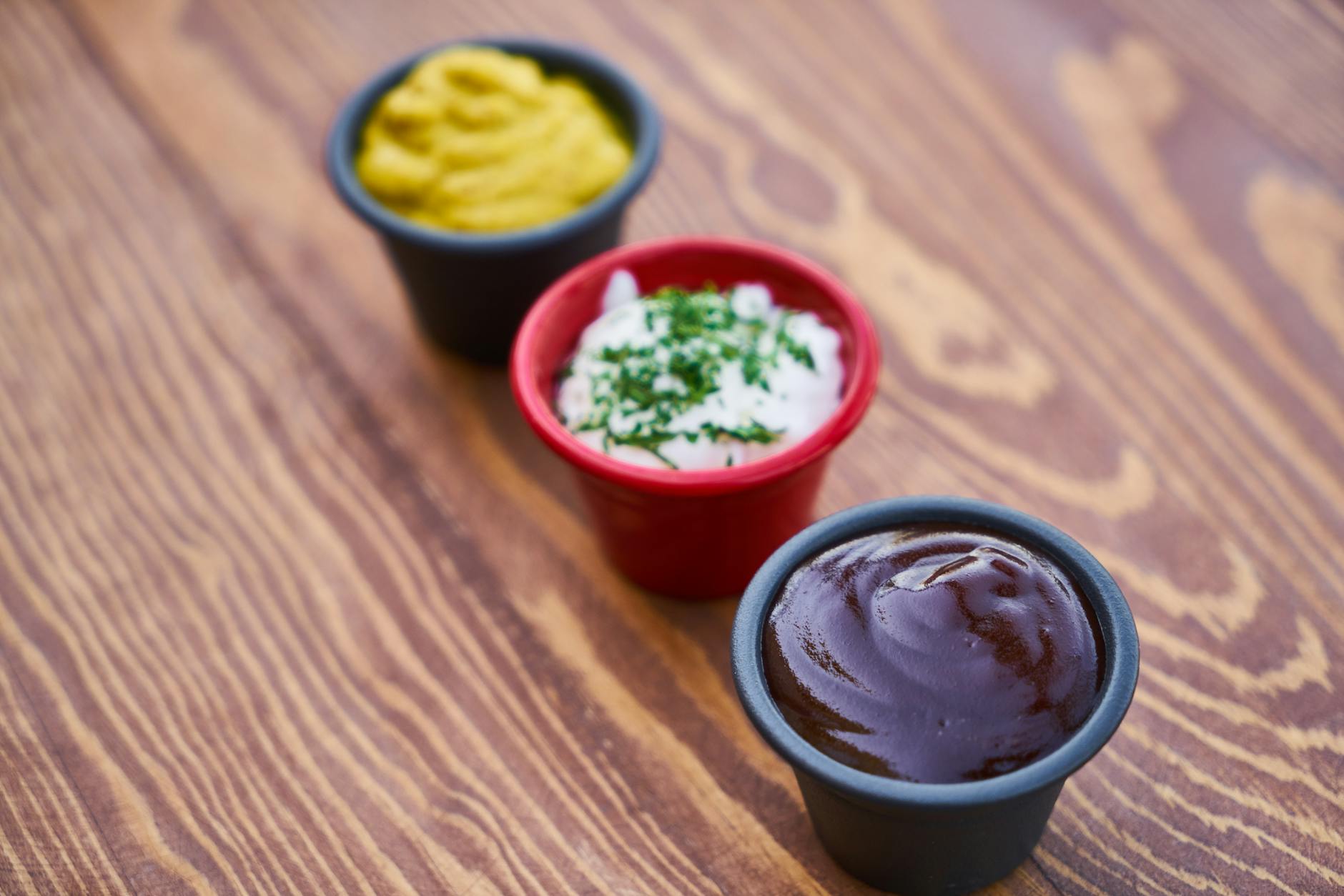
Sauce storage can be surprisingly confusing. Some condiments seem like they belong in the refrigerator but are actually shelf-stable for long periods, while others spoil quickly if left out after opening.
The difference usually comes down to ingredients like vinegar, sugar, salt, dairy, eggs, and fresh produce. Highly acidic or heavily preserved sauces often remain stable at room temperature, while cream-based or fresh ingredient sauces require constant refrigeration.
Understanding which sauces truly need cold storage can help improve food safety while also freeing up valuable refrigerator space.
Soy Sauce
Soy sauce is one of the most shelf-stable condiments commonly found in kitchens. Because it contains high amounts of sodium and fermented ingredients, it naturally resists bacterial growth.
Many restaurants keep soy sauce bottles on tables continuously without refrigeration, and unopened bottles can remain shelf-stable for long periods.
Refrigeration can help preserve flavor quality over time, but it is generally not required for food safety purposes after opening.
Dark storage away from direct sunlight is usually enough to maintain quality.
Hot Sauce
Most vinegar-based hot sauces are highly acidic, making them naturally resistant to spoilage. Popular hot sauces often contain enough vinegar and salt to remain stable at room temperature for months after opening.
While refrigeration may slightly preserve color and flavor intensity, it is usually optional for standard commercial hot sauces.
However, hot sauces made with fresh fruit, garlic, or low-acid ingredients may still require refrigeration depending on the label instructions.
Ketchup
Ketchup is often debated when it comes to refrigeration. Commercial ketchup contains vinegar, sugar, and preservatives that make it relatively shelf-stable.
Many diners and restaurants leave ketchup bottles unrefrigerated throughout the day without issues.
At home, refrigeration mainly helps preserve flavor freshness and color rather than preventing immediate spoilage.
People who use ketchup quickly may safely keep it in the pantry for shorter periods after opening.
Mustard
Mustard is another condiment with strong shelf stability due to its acidic nature and preservative ingredients. Yellow mustard in particular can remain safe at room temperature for extended periods.
The biggest change from skipping refrigeration is often flavor intensity rather than safety.
Several sauces generally tolerate room-temperature storage because they contain:
- High acidity
- Heavy salt content
- Sugar preservatives
- Fermented ingredients
These characteristics naturally slow bacterial growth.
Ranch Dressing
Ranch dressing absolutely requires refrigeration after opening because it contains dairy ingredients and often mayonnaise-based components.
Leaving ranch dressing unrefrigerated for extended periods can quickly increase spoilage risk and bacterial growth.
Even shelf-stable bottled ranch products must typically be refrigerated once opened to maintain food safety and freshness.
Homemade ranch is especially perishable because it lacks commercial preservatives.
Alfredo Sauce
Alfredo sauce is highly perishable due to its cream, butter, and cheese content. Whether homemade or store-bought, it should never remain unrefrigerated for long after opening.
Cream-based sauces can spoil quickly at room temperature, especially in warm environments.
Improper storage may lead to souring, separation, and bacterial growth that is not always immediately visible.
Salsa Fresca
Fresh salsa made with chopped tomatoes, onions, peppers, and cilantro requires refrigeration because of its moisture content and fresh ingredients.
Unlike shelf-stable jarred salsa, fresh salsa lacks the preservation benefits of canning and heavy acidity stabilization.
Because it contains raw produce, spoilage can occur rapidly if left at room temperature for too long.
Fresh restaurant-style salsa should always be refrigerated promptly after serving.
Mayonnaise-Based Burger Sauce
Burger sauces made with mayonnaise, eggs, or dairy should always remain refrigerated after opening. These creamy condiments are far more vulnerable to spoilage than vinegar-based sauces.
Specialty burger sauces often combine mayonnaise with relish, garlic, herbs, or dairy products that reduce shelf stability.
Improper storage can quickly compromise both texture and food safety.
These sauces are particularly risky during outdoor events or warm-weather meals where refrigeration may be inconsistent.
Why Some Sauces Last Longer Than Others
Shelf stability depends largely on ingredient chemistry. High-acid sauces create environments where harmful bacteria struggle to grow, while dairy and fresh produce spoil much faster.
Factors that influence storage safety include:
- Acidity levels
- Moisture content
- Salt concentration
- Presence of dairy or eggs
Reading storage instructions on packaging is always the safest approach.
Conclusion
Not all sauces belong in the refrigerator, and understanding the difference can help improve both kitchen organization and food safety. Condiments like soy sauce, mustard, and hot sauce are generally stable at room temperature, while creamy or fresh ingredient sauces like ranch, Alfredo, and fresh salsa require refrigeration to prevent spoilage.


Leave a Reply