
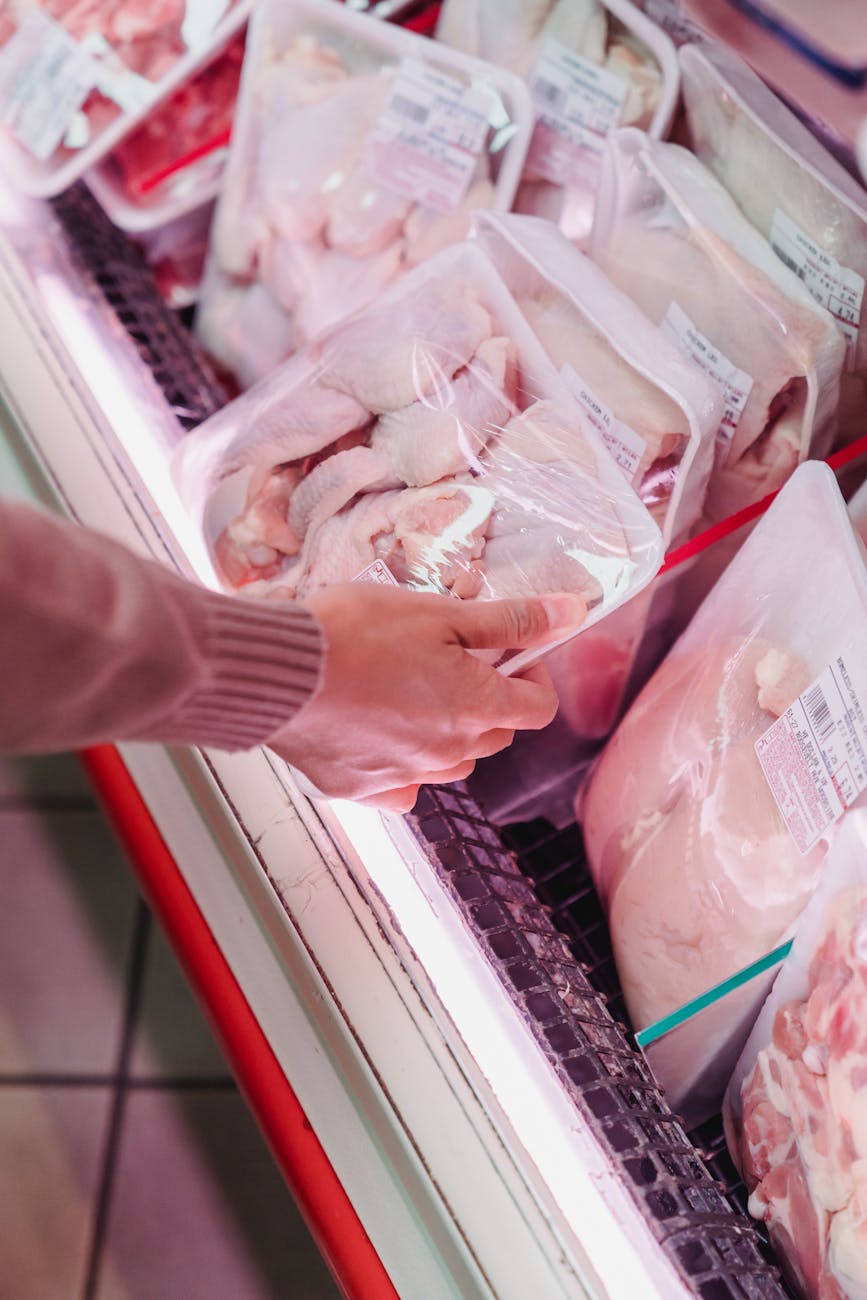
Frozen meat products can save time and reduce meal prep stress, but not all options in the freezer aisle are worth bringing home. Some frozen meats are heavily processed, packed with sodium, or filled with additives that affect both flavor and nutritional quality.
Others simply suffer from poor texture, excessive breading, or misleading labeling that hides how little actual meat is inside the package. Understanding which frozen meat products tend to disappoint can help shoppers make smarter grocery decisions.
Breaded Chicken Patties With Minimal Chicken
Many frozen chicken patties look appealing on the box, but some contain more breading and fillers than actual chicken. These products are often made from processed meat blends combined with starches, preservatives, and flavor enhancers.
After cooking, the texture can become rubbery or mushy rather than juicy and fresh. The heavy breading also absorbs oil easily, increasing fat and calorie content significantly.
Checking ingredient lists and looking for products with whole chicken breast as the primary ingredient is usually a better option.
Frozen Salisbury Steak Meals
Frozen Salisbury steak dinners have been a grocery store staple for decades, but many versions contain highly processed meat mixtures loaded with sodium and additives.
The meat itself is often made from lower-quality beef trimmings combined with binders and artificial flavoring. Gravy-heavy preparation also contributes extremely high sodium levels in many frozen meal varieties.
Texture is another common complaint. Instead of tasting like fresh beef, these meals frequently end up soft, overly salty, and heavily processed.
Pre-Cooked Frozen Rib Products
Frozen boneless ribs and microwaveable rib products often look tempting because of their convenience, but they rarely deliver authentic barbecue quality.
Many versions are formed meat products pressed together with sauces and additives to imitate slow-cooked ribs. Once heated, they may become overly chewy or strangely soft depending on preparation methods.
Common problems with lower-quality frozen meats include:
- Excess sodium and preservatives
- Thick breading or fillers
- Artificial smoke flavoring
- Rubbery or uneven texture
These issues are especially common in heavily sauced frozen meat products.
Frozen Meatballs With Fillers
Not all frozen meatballs are bad, but lower-quality versions often rely heavily on breadcrumbs, soy protein, and fillers to reduce production costs.
The result can be meatballs that fall apart easily or taste more like seasoned stuffing than actual meat. Some varieties also contain surprisingly high sodium levels despite relatively small serving sizes.
Cheaper frozen meatballs are particularly prone to becoming greasy or spongy after heating, especially in microwave preparation.
Frozen Breaded Steak Fingers
Breaded steak fingers and country-fried frozen beef strips are another freezer aisle item that often disappoints. Many contain processed beef formed into uniform strips before being heavily breaded and pre-fried.
Once cooked, the breading may become crisp while the inside remains oddly soft or lacking in real steak texture. Flavor is frequently dominated by salt and oil rather than beef itself.
These products are also often paired with gravy packets that further increase sodium and calorie content.
Frozen Chicken Cordon Bleu
Chicken cordon bleu products are designed to feel premium, but many frozen versions rely heavily on processed ingredients. The chicken is often thin and heavily stuffed with cheese and processed ham.
During cooking, the filling may leak out while the breading becomes soggy or unevenly browned. Texture consistency is a common issue because different components heat at different speeds.
Many versions also contain long ingredient lists with stabilizers and preservatives designed to maintain texture after freezing.
Why Some Frozen Meats Are So Processed
Frozen meat products are often engineered for convenience, shelf life, and low production cost rather than freshness or quality. To maintain texture after freezing and reheating, manufacturers frequently rely on sodium, fillers, starches, and preservatives.
This does not mean all frozen meat is unhealthy. Plain frozen chicken breasts, seafood, and minimally processed meats can still be excellent grocery options.
Better frozen meat choices usually include:
- Minimal ingredient lists
- Whole cuts of meat
- Lower sodium content
- Limited breading or sauces
Reading labels carefully can make a major difference in both taste and nutrition.
Conclusion
Frozen meat products can be convenient, but many heavily processed options sacrifice flavor, texture, and nutritional quality for shelf stability and low cost. Avoiding products loaded with fillers, sodium, and artificial ingredients can help improve both meal quality and overall grocery choices.
Leave a Reply