
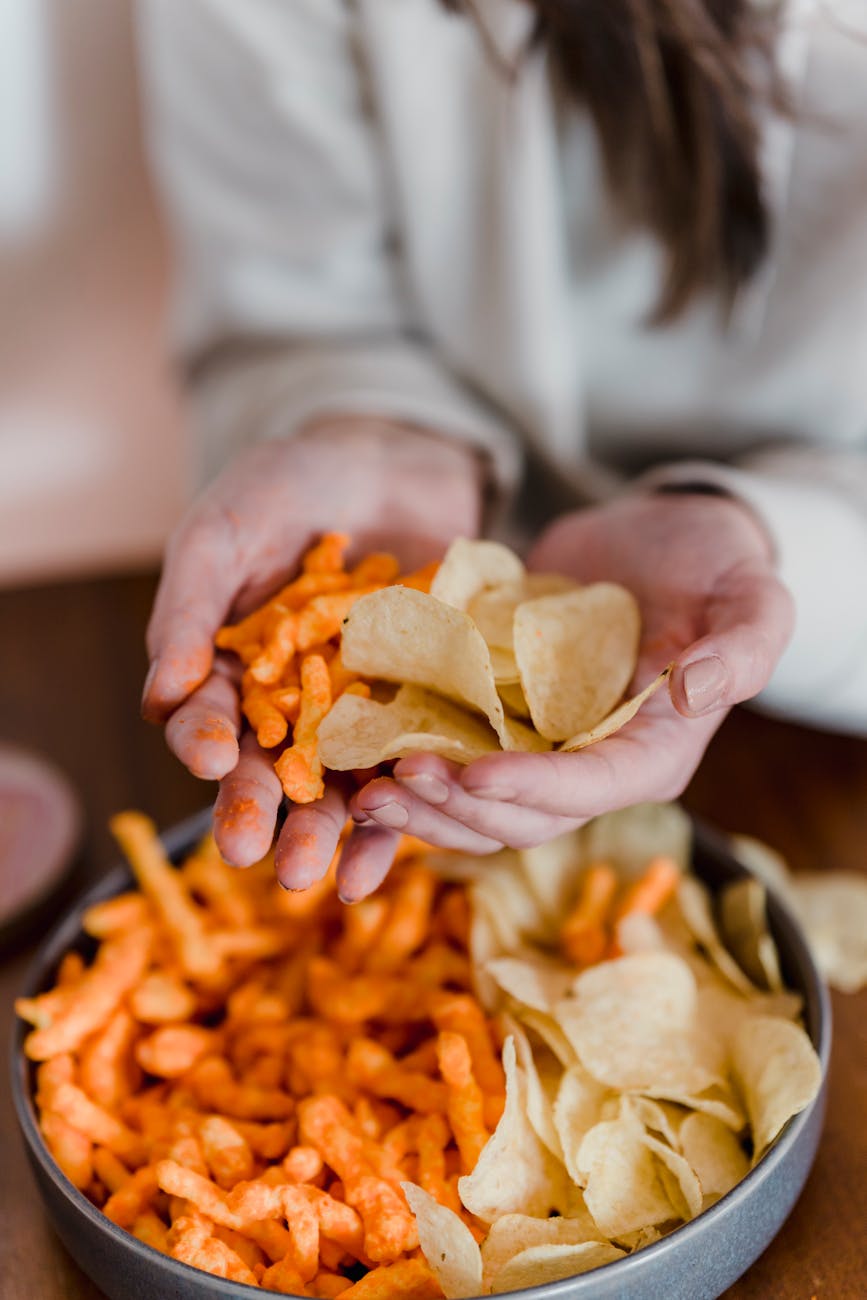
Salty snacks are some of the most popular convenience foods in grocery stores, but many ultra-processed options come with nutritional concerns beyond simple calorie counts. Research continues to examine how diets high in processed foods, sodium, preservatives, and unhealthy fats may contribute to inflammation and increased colorectal cancer risk over time.
While no single snack directly causes colon cancer on its own, regularly consuming heavily processed salty foods may contribute to broader dietary patterns associated with poorer digestive health. Portion size, processing methods, and ingredient quality all play important roles.
Processed Meat Snack Sticks
Processed meat sticks and jerky snacks are often marketed as high-protein convenience foods, but many varieties contain preservatives like sodium nitrite and extremely high sodium levels.
Health organizations have repeatedly linked processed meats to increased colorectal cancer concerns because of the compounds created during preservation and processing. Smoked and cured meats are particularly scrutinized in cancer research.
Many meat stick products also contain additives, artificial smoke flavoring, and saturated fat levels that make them less healthy than they initially appear.
Frequent snacking on heavily processed meats may contribute to long-term digestive health concerns when combined with an already poor diet.
Cheese-Flavored Corn Chips
Cheese-flavored corn chips are among the saltiest snacks in the grocery aisle. Many varieties are highly processed and coated with artificial flavor powders, oils, and sodium-heavy seasoning blends.
These snacks are typically low in fiber and easy to overeat because of their intense flavor profile. Diets low in fiber and high in processed snack foods have been associated with worse digestive health outcomes overall.
The frying process used for many chips may also create compounds linked to inflammation and oxidative stress when consumed excessively.
Microwave Butter Popcorn
Microwave popcorn can be a reasonable snack in moderation, but heavily buttered versions often contain large amounts of sodium, processed oils, and artificial flavoring compounds.
Some older popcorn products received criticism for chemical flavoring ingredients, though many manufacturers have since adjusted formulations. Even so, ultra-buttery varieties still tend to be highly processed and calorie-dense.
Common warning signs of heavily processed salty snacks include:
- Excessive sodium levels
- Artificial flavor coatings
- Processed meat ingredients
- Long preservative-filled ingredient lists
These products are often designed for flavor intensity rather than nutritional balance.
Bacon Cheddar Crackers
Cheese crackers flavored with bacon or processed cheese powders combine refined flour, sodium, and processed meat flavoring into one highly processed snack.
Because these crackers are shelf-stable, manufacturers frequently rely on preservatives and additives to maintain texture and flavor over long periods.
The lack of fiber is another concern. Fiber plays a major role in digestive and colon health, and many ultra-processed snack foods contain very little of it.
People often consume these crackers in large quantities without realizing how quickly sodium and calorie intake can rise.
Fried Pork Rinds
Pork rinds have become increasingly popular in low-carb dieting trends, but they remain highly processed fried snacks that are often extremely salty.
Many flavored versions contain additional preservatives, seasoning powders, and artificial flavor enhancers. Since pork rinds are fried at high temperatures, some health experts also raise concerns about compounds formed during processing.
Although pork rinds are low in carbohydrates, that does not automatically make them healthy. Nutritional balance matters more than focusing on a single dietary trend.
Why Processed Snacks Raise Concerns
Researchers studying colorectal cancer risk often focus on overall dietary patterns rather than one specific food. Diets high in processed meats, refined carbohydrates, sodium, and unhealthy fats are generally considered less supportive of long-term digestive health.
Ultra-processed snacks can contribute to:
- Lower fiber intake
- Increased sodium consumption
- Higher intake of preservatives
- Excess calorie consumption
These factors may indirectly affect inflammation, weight management, and digestive function over time.
Better Snack Alternatives
Healthier salty snacks do not need to be bland. Many minimally processed options still provide crunch and flavor without relying heavily on preservatives or artificial ingredients.
Better choices often include:
- Air-popped popcorn
- Roasted chickpeas
- Nuts in moderate portions
- Whole grain crackers
- Hummus with vegetables
These options generally provide more fiber and fewer heavily processed ingredients.
Conclusion
Salty snacks are convenient and satisfying, but many ultra-processed varieties contain preservatives, sodium, and additives that may contribute to long-term digestive health concerns. Moderation, ingredient awareness, and a balanced diet remain important for reducing overall colon cancer risk.


Leave a Reply