
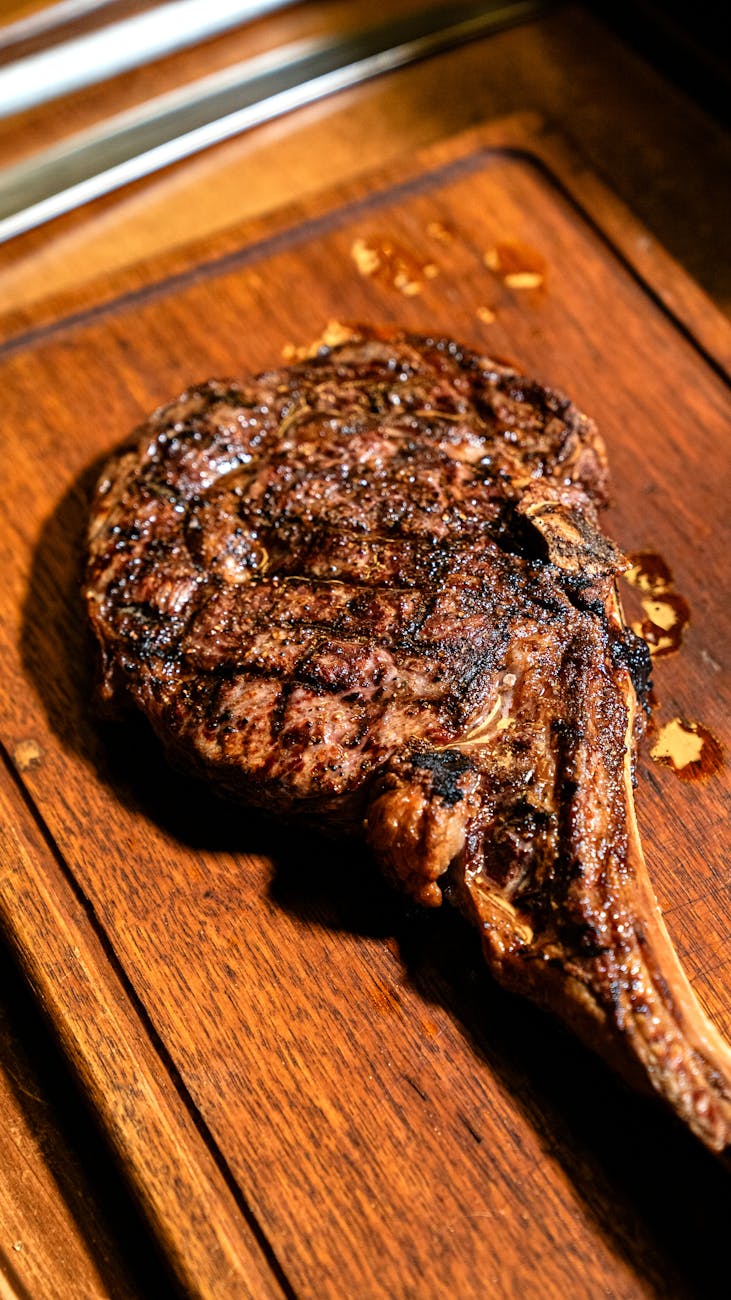
Steak remains one of the most popular restaurant and backyard grilling foods in America, but health experts continue to warn that certain red meat habits may increase long-term colon cancer risk. Research has especially focused on heavily processed meats, high-temperature cooking methods, and frequent consumption of charred red meat.
That does not mean eating steak occasionally guarantees health problems. However, some cuts and preparation styles may be more concerning because of their fat content, processing methods, or tendency to develop potentially harmful compounds during cooking.
Ribeye Steak
Ribeye is prized for its rich marbling and buttery flavor, but it is also one of the fattiest popular steak cuts. High intake of saturated fat and large portions of red meat have both been associated with increased colorectal cancer concerns in some studies.
Ribeye is also commonly cooked at extremely high temperatures to create a heavily seared crust. Charring meat during grilling or pan-searing may produce compounds called heterocyclic amines and polycyclic aromatic hydrocarbons, which researchers have studied for their possible cancer-related effects.
Because ribeye portions are often oversized at restaurants, consumers may end up eating far more red meat than recommended in a single meal.
T-Bone Steak
T-bone steak combines two cuts in one large serving, making it especially popular at steakhouses. However, the enormous portion sizes often associated with T-bone dinners can contribute to excessive red meat intake.
The steak is also frequently flame-grilled, which increases the likelihood of blackened or charred areas forming on the meat’s surface. Those heavily charred sections are the primary concern discussed in research involving grilled meats and colon cancer risk.
Eating large portions of heavily cooked red meat regularly may increase exposure to compounds linked to inflammation and digestive health concerns.
Country Fried Steak
Country fried steak differs from traditional grilled steak because it is breaded, fried, and often covered in cream gravy. While technically made from beef steak, the preparation method dramatically increases calories, sodium, and processed ingredient exposure.
Fried foods cooked at high temperatures may contribute additional inflammatory compounds beyond those already associated with red meat. The combination of refined breading, processed gravy, and fried beef makes this dish particularly heavy.
Common steak-related habits associated with higher health concerns include:
- Frequent consumption of heavily charred meat
- Oversized portion sizes
- Processed or fried preparations
- High saturated fat intake
Moderation and cooking method both play major roles in overall risk.
Philly Cheesesteak Sandwiches
Philly cheesesteaks are technically sandwich-based meals, but they still involve heavily processed steak products in many restaurant and fast-food versions. Thinly sliced beef is often cooked on flat-top grills at extremely high temperatures alongside processed cheese and refined bread.
Many versions are also extremely high in sodium and saturated fat because of added cheese sauces, oils, and processed ingredients.
While an occasional cheesesteak is unlikely to be dangerous on its own, regular consumption of heavily processed red meat meals may contribute to broader dietary patterns linked to increased colorectal cancer risk.
Burnt Backyard Grilled Steak
One of the biggest concerns surrounding steak and colon cancer risk is not necessarily the cut itself but how it is cooked. Backyard grilling often leads to blackened, heavily charred steak surfaces, especially during summer cookouts.
When fat drips onto open flames, smoke forms and coats the meat with compounds researchers have studied for potential carcinogenic effects. Extremely blackened crusts are generally considered the most concerning.
People who prefer steak cooked well-done or heavily charred may unknowingly increase exposure to these compounds more frequently than those choosing gentler cooking methods.
Why Cooking Method Matters
Research suggests the way steak is prepared may matter as much as the amount consumed. High-temperature grilling, frying, and charring appear more concerning than gentler cooking methods like roasting or slow cooking.
Health experts often recommend:
- Limiting heavily charred meat
- Choosing leaner cuts when possible
- Eating smaller portions
- Pairing red meat with vegetables and fiber-rich foods
Balanced eating patterns matter far more than any single meal or ingredient alone.
Red Meat And Overall Diet Quality
Steak can still fit into a balanced diet when eaten in moderation. Problems usually arise when large portions of processed or heavily charred red meat become frequent dietary staples.
Diets rich in vegetables, whole grains, fiber, and minimally processed foods are generally associated with better digestive and cardiovascular health outcomes overall.
Making smarter preparation choices may help reduce some of the concerns linked to frequent red meat consumption.
Conclusion
Certain steak cuts and cooking styles may contribute to increased colon cancer concerns, particularly when paired with heavy charring, oversized portions, and highly processed ingredients. Moderation, cooking method, and overall diet quality remain the most important factors in reducing long-term health risks.



Leave a Reply