
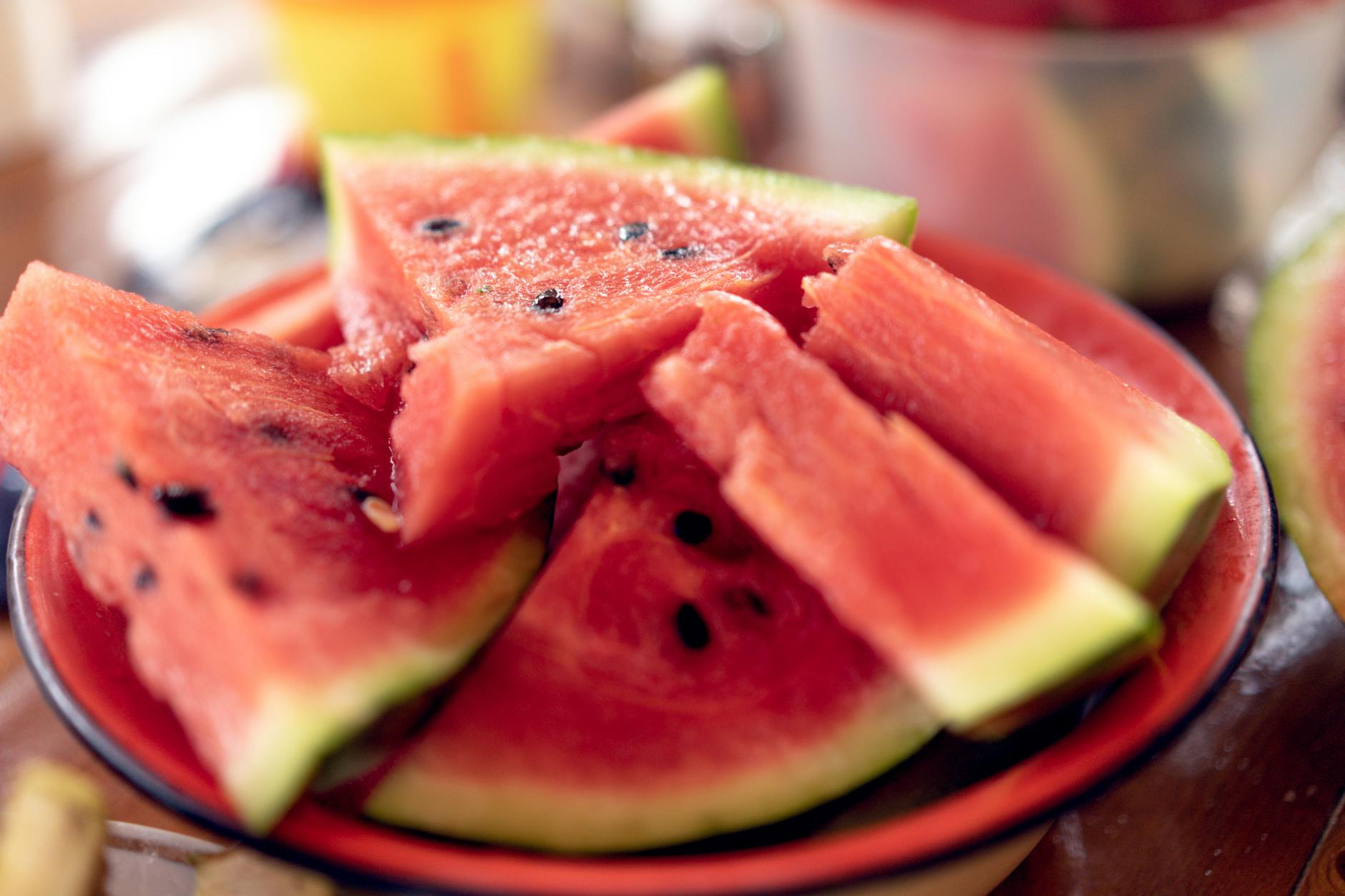
Watermelon is one of the most popular summer fruits, and most grocery stores now prominently feature seedless varieties. They are convenient, easy to eat, and widely preferred by shoppers who don’t want to deal with seeds. However, seeded watermelons still have advantages that many people overlook, ranging from flavor and nutrition to agricultural value and cost.
While seedless watermelons are hybrid varieties bred for convenience, seeded watermelons are closer to traditional fruit strains that have existed for generations. In many cases, they offer a different eating experience that some consumers actually prefer once they try them.
Seeded Watermelon Often Has A More Traditional Flavor
Seeded watermelon is frequently described as having a richer, more classic watermelon taste compared to many modern seedless varieties.
Some fruit enthusiasts argue that seeded watermelons retain more of the natural sweetness and floral notes associated with heirloom varieties. Because they are less selectively bred for texture and convenience, they can sometimes deliver a more complex flavor profile.
Seedless watermelons, by comparison, are often bred for uniformity and ease of consumption, which can slightly reduce flavor intensity in certain varieties.
Seeded Watermelon Tends To Be Less Expensive
Seedless watermelon is often more expensive in grocery stores due to the additional agricultural steps required to produce it.
Seedless varieties are hybrids that require controlled pollination techniques, which can increase production costs. These costs are then passed on to consumers, especially during off-season months.
Seeded watermelons are typically grown with fewer specialized requirements, making them more affordable per pound. For families or large gatherings, this price difference can add up quickly.
Seeded Watermelon Seeds Can Be Roasted And Eaten
Watermelon seeds are often discarded in seedless varieties because they are absent or undeveloped, but seeded watermelons provide an additional edible component.
Roasted watermelon seeds are consumed in many cultures as a crunchy, protein-rich snack. They can be seasoned with salt, spices, or roasted similarly to pumpkin seeds.
This adds value to the fruit beyond just the flesh, reducing waste and offering an extra nutritional benefit that seedless varieties simply cannot provide.
- Benefits often associated with seeded watermelons:
- Lower cost per pound
- More traditional flavor profile
- Edible and nutritious seeds
- Greater genetic diversity
- Less intensive farming requirements
Seeded Varieties Support Agricultural Diversity
Watermelon (seeded varieties) represent older genetic strains that contribute to crop diversity in agriculture.
Maintaining seeded varieties helps preserve plant genetics that might otherwise be lost due to the dominance of seedless commercial farming. This diversity can be important for long-term food security and crop resilience.
Farmers who grow seeded watermelons often rely on traditional cultivation methods, which can support more sustainable farming ecosystems in certain regions.
Seeded Watermelon Often Has Better Texture For Some Uses
Watermelon fruit flesh from seeded varieties is sometimes described as firmer and less watery compared to some seedless types.
This firmer texture can make seeded watermelon ideal for slicing, fruit salads, and grilling. Some chefs even prefer seeded varieties for presentation because the flesh holds its shape better in certain dishes.
While seedless watermelons are more convenient for snacking, seeded varieties can offer better structural integrity in culinary applications.
Seeded Watermelon Encourages Mindful Eating
Eating seeded watermelon naturally slows consumption, which can lead to a more mindful eating experience. Dealing with seeds requires slightly more attention, which may help some people enjoy the fruit more deliberately.
This slower pace can enhance the sensory experience of eating fruit, allowing people to appreciate texture, sweetness, and juiciness more fully. In contrast, seedless varieties often encourage faster, less mindful snacking.
For families, seeded watermelon can also create a shared experience, especially when children learn how to remove or spit out seeds.
Seeded Watermelon Still Has A Place In Modern Diets
While seedless watermelon dominates grocery store shelves, seeded varieties continue to offer unique benefits in flavor, cost, nutrition, and agricultural value. They are not necessarily better for everyone, but they provide an alternative that many consumers overlook.
Choosing between seeded and seedless often comes down to personal preference, but understanding the differences can help shoppers make more informed decisions and potentially rediscover a more traditional way of enjoying this classic summer fruit.


Leave a Reply