
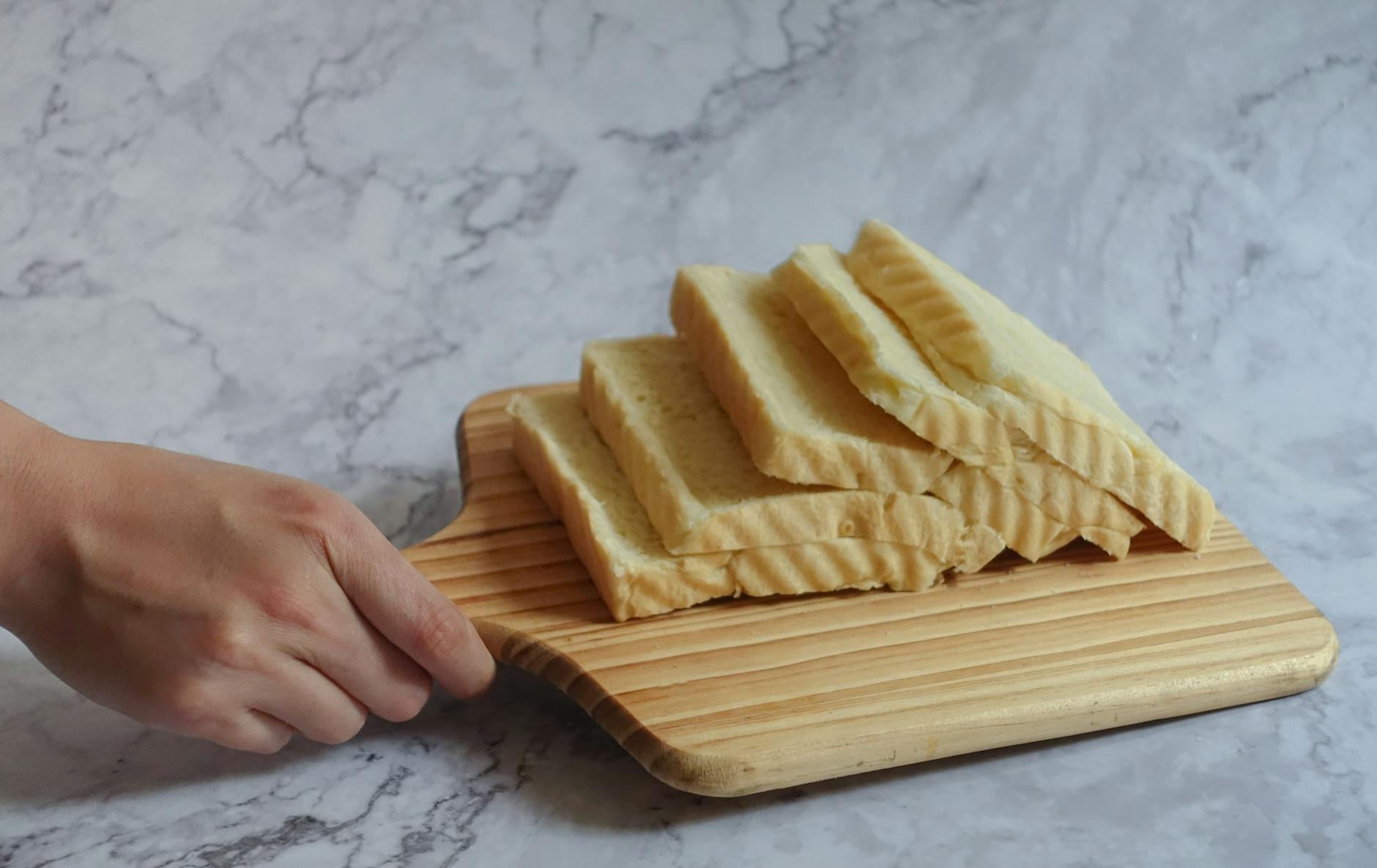
Bread crust is often considered the most flavorful part of a loaf, thanks to the browning and caramelization that occur during baking. However, some heavily processed breads develop crusts loaded with added sugars, oils, sodium, and preservatives that can make them far less healthy than traditional bakery breads.
The issue is not bread crust itself. In fact, crusts on simple artisan loaves can be perfectly fine in moderation. The concern usually comes from ultra-processed commercial breads that rely on additives and sweeteners to create darker, shinier, or softer crusts that appeal to consumers.
Texas Toast Garlic Bread Crusts Contain Heavy Butter Oils
Texas Toast Garlic Bread is famous for its thick buttery crust and crispy edges, but many frozen versions contain large amounts of oil, sodium, and artificial flavoring.
The crust is often coated with garlic butter substitutes that include processed vegetable oils and preservatives designed for freezer stability. This creates a richer taste but also increases calorie density significantly.
Because the crust absorbs much of the added oil during baking, it can become one of the least healthy parts of the bread.
Hawaiian Sweet Bread Crusts Pack In Added Sugars
King’s Hawaiian Sweet Bread is beloved for its soft texture and golden crust, but its sweetness comes from a substantial amount of added sugar.
The shiny crust develops through sugar caramelization during baking, which contributes to the bread’s dessert-like flavor profile. While delicious, this also makes it nutritionally different from traditional savory breads.
Many people underestimate how much sugar is packed into sweet sandwich breads because they still look like standard dinner rolls.
Pretzel Bread Crusts Often Carry Excess Sodium
Pretzel bread develops its signature chewy dark crust through an alkaline baking soda or lye treatment before baking.
The crust is usually topped heavily with coarse salt, which can dramatically increase sodium content. Some commercial pretzel breads contain sodium levels far higher than regular sandwich loaves.
Combined with refined flour, the salty crust can make pretzel bread more indulgent than many consumers realize.
- Common problems with heavily processed bread crusts:
- Excess sodium
- Added sugars
- Processed oils
- Artificial flavor coatings
- High calorie density
Cheese-Stuffed Crust Breads Add Saturated Fat
Cheese-stuffed bread products have become increasingly popular in frozen food aisles and restaurant menus.
The crust itself is often filled or brushed with cheese blends, butter oils, and garlic flavorings. While flavorful, these additions can dramatically increase saturated fat and sodium levels.
The outer edges of stuffed breads tend to contain the most concentrated oils and melted cheese, making the crust far heavier than standard bread edges.
Cinnamon Raisin Bread Crusts Can Be Sugar Heavy
Cinnamon raisin bread often develops a sticky, sweetened crust due to cinnamon sugar coatings and glaze-like finishes.
Some commercial varieties contain enough sugar to resemble pastries more than traditional bread. The crust may also include extra syrups or sweeteners that caramelize heavily during baking.
Because it is marketed as breakfast bread, many consumers overlook how dessert-like some versions actually are.
Frozen Garlic Bread Crusts Absorb Processed Oils
Frozen garlic bread products are popular side dishes, but their crusts are frequently saturated with margarine-style spreads and artificial garlic flavorings.
During baking, these oils soak deeply into the outer crust, creating crisp texture but also significantly increasing fat and sodium content. Some products also use preservatives to maintain shelf life in freezers.
The crispy outer edge may taste satisfying, but it is often the most calorie-dense portion of the bread.
Traditional Artisan Bread Usually Keeps Things Simpler
Not all bread crusts are unhealthy. Simple artisan loaves made from flour, water, salt, and yeast often develop crust naturally without excessive additives or sweeteners.
The biggest nutritional differences appear in highly processed commercial breads that prioritize flavor intensity, softness, and extended shelf life. Added oils, sugars, and flavor coatings can dramatically change the nutritional profile of crust-heavy products.
Consumers who enjoy bread regularly may benefit from checking ingredient labels and choosing simpler loaves whenever possible.
Bread Crust Quality Depends On Ingredients
Bread crust itself is not inherently unhealthy. In many traditional cultures, crust is prized for its texture and flavor. Problems arise when heavily processed ingredients transform crust into a concentrated source of sodium, sugar, and processed fats.
Paying attention to ingredient lists and preparation methods can help consumers enjoy bread more thoughtfully without giving up crusty favorites entirely.


Leave a Reply