
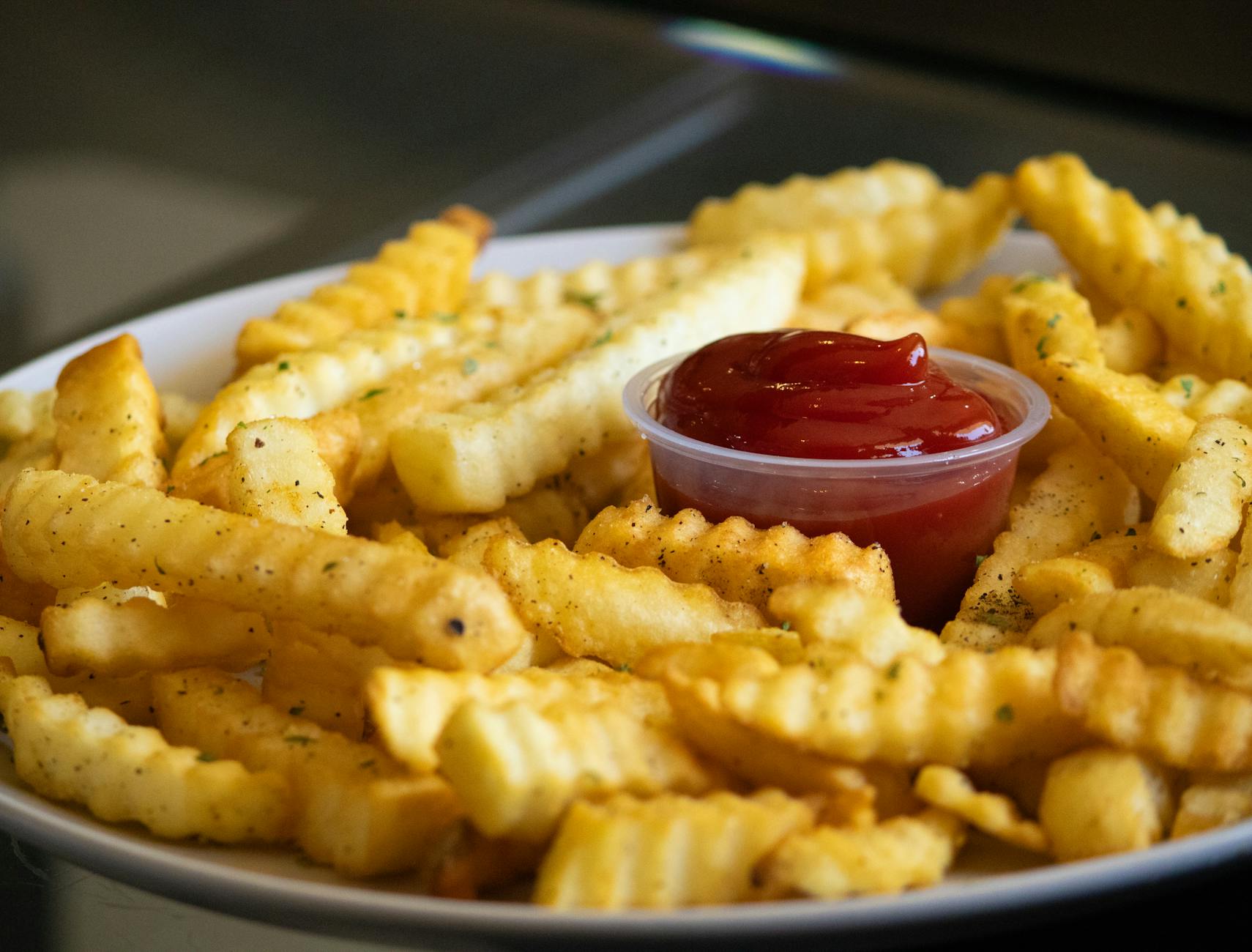
French fries are one of the most universally loved side dishes in the restaurant world, but they are also surprisingly easy to get wrong. When fries are fresh, crispy, and well-seasoned, they can elevate an entire meal. When they’re soggy, undercooked, or overly greasy, they can ruin it.
Not every restaurant treats fries as a priority. Some focus more on main entrées or signature items, leaving fries as an afterthought. Others rely on bulk preparation methods that don’t always preserve texture or flavor.
Applebee’s Fries Often Lack Fresh Crispiness
Applebee’s is known for its wide casual dining menu, but its French fries are frequently criticized for inconsistent quality.
Because Applebee’s prepares large volumes of food, fries are often held under heat lamps before serving. This can lead to a loss of crispness and a slightly soggy texture by the time they reach the table.
While some locations do better than others, customers often find the fries to be average compared to specialty burger or fast-casual chains that prioritize fry freshness.
Chili’s Fries Can Feel Over-Seasoned Or Uneven
Chili’s serves seasoned fries as a common side, but opinions on their quality vary widely.
Some diners enjoy the bold seasoning, while others feel the fries can be overly salty or unevenly coated. In some cases, fries may arrive slightly limp due to timing issues in the kitchen.
Chili’s focuses heavily on bold main dishes and appetizers, which sometimes means side items like fries don’t receive the same level of attention or consistency.
Burger King Fries Depend Heavily On Timing
Burger King has undergone multiple changes to its French fry recipe over the years, but consistency remains a common complaint among customers.
When freshly cooked, Burger King fries can be crispy and satisfying. However, if they sit for even a short period, they tend to lose texture quickly and become soft or lukewarm.
Because of this, the quality of fries can vary significantly depending on how busy the restaurant is and how recently they were prepared.
- Common problems with restaurant fries:
- Loss of crispiness after holding
- Inconsistent seasoning
- Overcrowded fryers
- Excess oil absorption
- Uneven cooking temperatures
Denny’s Fries Often Feel Like An Afterthought
Denny’s is a diner chain best known for breakfast items, which means its lunch and dinner sides, including fries, don’t always stand out.
Many customers describe the fries as basic and functional rather than flavorful or memorable. They are often served as a standard side without much customization or seasoning variety.
Because Denny’s focuses heavily on breakfast and all-day breakfast meals, fries are not a signature item and may not receive the same kitchen attention as more popular dishes.
Outback Steakhouse Fries Compete With Stronger Sides
Outback Steakhouse is known for steakhouse sides like baked potatoes and Aussie fries, but standard French fries sometimes fall short compared to its more iconic menu items.
Customers often prefer signature sides like Bloomin’ Onion or seasoned potato options, leaving traditional fries feeling less impressive by comparison.
In some cases, fries may arrive slightly oily or under-seasoned, especially during busy dinner hours when kitchens prioritize steak entrées.
Fast-Food Chains Show How Small Differences Matter
French fries seem simple, but preparation timing, oil temperature, seasoning, and holding methods all make a major difference in quality. Even well-known chains can struggle to deliver consistently great fries when volume is high or kitchens are rushed.
The best fries are typically served immediately after frying, with minimal holding time and balanced seasoning. When restaurants treat fries as a secondary item, customers often notice the difference right away.
For diners, choosing restaurants known for fresh preparation or specialty fries can make a noticeable improvement in overall meal satisfaction.


Leave a Reply