
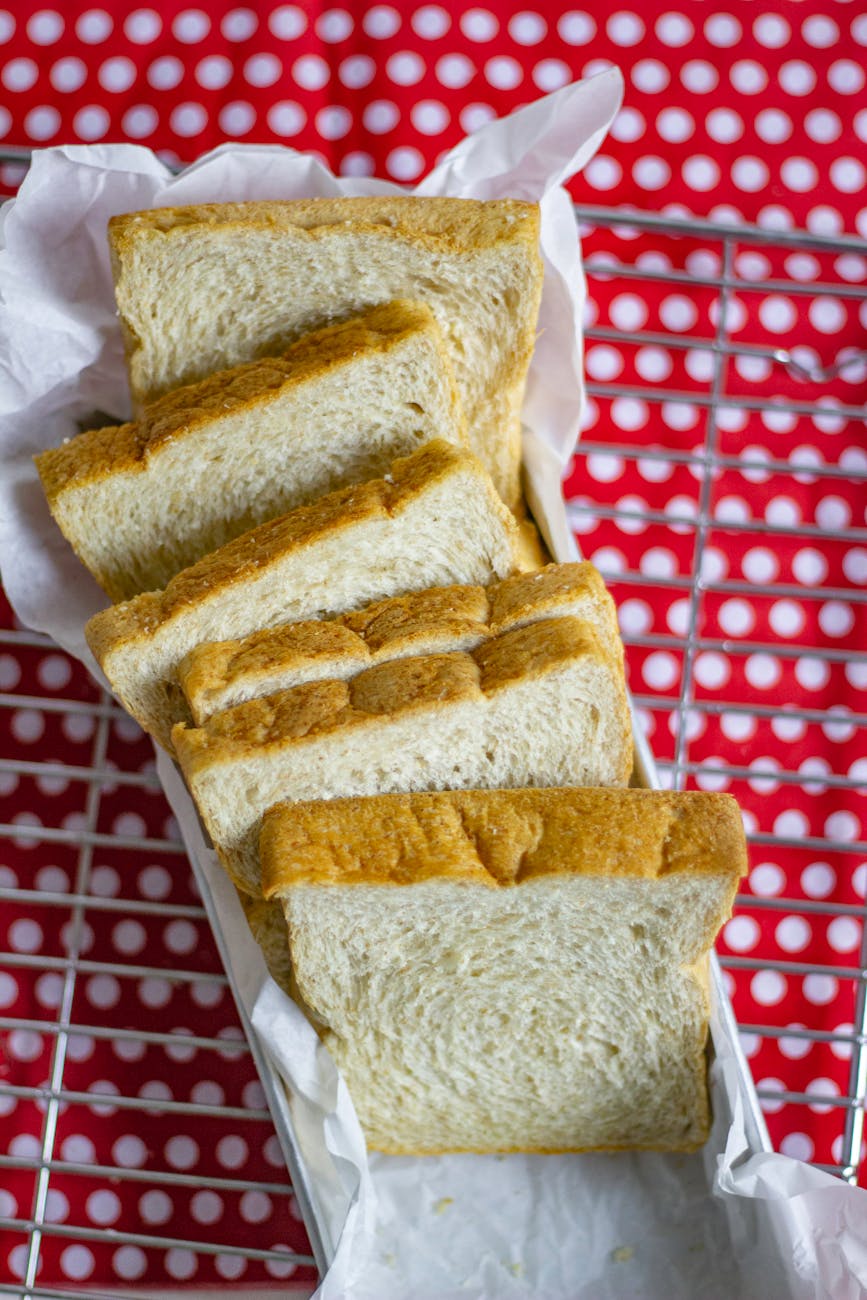
The phrase “yoga mat chemicals” comes from public discussion about a specific dough conditioner used in some commercial breads. It refers to azodicarbonamide (ADA), a bleaching and strengthening agent once used in certain processed foods. In the United States, its use in bread has been largely phased out by major brands, but it remains a widely discussed example of how food additives can appear in everyday products without consumers realizing it.
It’s important to note that food regulations vary by country, and ingredient lists change over time. Many of the breads once associated with this additive have since been reformulated, but they remain part of the broader conversation about highly processed sandwich breads.
Subway Sandwich Bread And Ingredient Reformulation History
Subway bread became one of the most widely discussed examples in debates about commercial bread ingredients. Years ago, reports highlighted that some of its bread products in certain regions contained azodicarbonamide as a dough conditioner.
The company later removed the ingredient following public attention and reformulated its bread recipes. Today, Subway emphasizes cleaner ingredient lists, but its earlier formulations remain a reference point in discussions about processed sandwich breads.
Consumers often associate fast-food bread with long ingredient lists, which helped fuel broader awareness of food additives used in mass production baking.
Wonder Bread And Highly Processed Soft Loaf Formulas
Wonder Bread has long been known for its soft texture and extended shelf life. Historically, breads like this relied on a range of dough conditioners and preservatives to maintain consistency and freshness.
At different points in its manufacturing history, industry discussions have included the use of chemical conditioners in similar mass-market white breads, though formulas have been updated over time.
The appeal of Wonder Bread has always been its softness and uniform texture, but that same texture is often achieved through highly engineered baking processes rather than traditional fermentation.
Sara Lee White Bread And Industrial Baking Additives
Sara Lee White Bread represents another category of commercial sandwich bread designed for long-lasting freshness and consistent slices. Industrial baking often relies on emulsifiers, stabilizers, and conditioners to maintain softness over time.
While specific formulas have changed, breads in this category are frequently cited in discussions about processed ingredients used to improve elasticity and shelf stability.
Consumers choosing packaged white bread often prioritize convenience and softness, even when it comes at the cost of a more processed ingredient profile.
Pepperidge Farm Sandwich Bread And Texture Enhancers
Pepperidge Farm bread is known for a slightly more premium image compared to standard supermarket bread, but it still falls within the realm of mass-produced sandwich loaves.
Like many commercial breads, it has historically used emulsifiers and conditioners to maintain structure and extend freshness. These ingredients help create consistent slices and a soft crumb that holds up well in sandwiches.
- Common additives found in processed sandwich breads:
- Dough conditioners
- Emulsifiers
- Preservatives for shelf life
- Enriched flour blends
- Stabilizers for texture consistency
Although many modern versions emphasize improved ingredient transparency, the category as a whole remains highly engineered compared to traditional artisan bread.
Walmart Great Value White Bread And Budget Formulations
Great Value White Bread is a budget-friendly option widely available in grocery stores across the United States. Like many store-brand breads, it is designed for affordability and long shelf life.
Budget sandwich breads often rely on simplified but industrially optimized formulations that prioritize cost efficiency and consistency. This can include various additives that improve softness and delay staling.
While not unique in this regard, store-brand breads are often cited in conversations about highly processed baked goods due to their long ingredient lists and extended freshness compared to homemade bread.
King’s Hawaiian Rolls And Enriched Sweet Bread Formulas
King’s Hawaiian bread is famous for its soft, slightly sweet flavor and pillowy texture. While not traditionally associated with “sandwich bread” in the classic sense, it is widely used for sliders and sandwiches.
Its texture comes from enriched dough formulations that rely on sugar, oils, and conditioning ingredients to achieve its signature softness. This makes it more of a highly processed specialty bread than a traditional fermented loaf.
The popularity of these rolls highlights how consumers often prefer soft, sweet bread even when it relies on more industrial baking techniques.
Understanding Processed Bread In Context
Modern sandwich breads vary widely in ingredients, and many once-controversial additives have been removed or replaced over time. While discussions about “yoga mat chemicals” gained attention years ago, most major brands have since adjusted their formulas.
Today’s bread aisle includes everything from heavily processed soft loaves to artisan-style breads with minimal ingredients. Understanding labels helps consumers choose products that align with their preferences, whether that means convenience, texture, or simplicity.



Leave a Reply