

Crackers are often viewed as harmless snack foods, but many flavored varieties contain highly processed ingredients, refined carbohydrates, sodium, preservatives, and artificial additives that may contribute to long-term health concerns when eaten excessively.
Many flavored crackers also encourage overeating because they combine salt, refined starches, oils, and artificial flavor enhancers designed to increase cravings.
Consumers who frequently rely on heavily processed snack foods may unintentionally reduce intake of fiber-rich whole foods linked to better digestive health.
Cheese-Flavored Crackers
Cheese-flavored crackers are among the most popular snack crackers on grocery shelves, but they are also often highly processed.
Products like Cheez-It Extra Toasty, Goldfish Flavor Blasted Xtra Cheddar, Cheddar Cheese Ritz Bits, Better Cheddars, and Cheez-It Snap’d Double Cheese typically contain refined flour, oils, sodium, and flavor additives.
Many cheese-flavored crackers also contain high saturated fat levels and relatively little fiber.
Diets low in fiber may negatively affect digestive health over time, particularly when combined with low fruit and vegetable intake.
Overconsumption of processed cheese powders and salty snack foods may also contribute to broader dietary imbalances tied to chronic disease risks.
Spicy and Flamin’ Hot Cracker Varieties
Spicy snack foods continue growing in popularity, but heavily seasoned cracker products can contain excessive sodium and artificial flavoring compounds.
Examples include Cheez-It Hot & Spicy, Goldfish Frank’s RedHot, Hot & Spicy Chicken in a Biskit, Ritz Hot Honey, and Spicy Nacho Ritz Toasted Chips.
Many spicy snack crackers also rely on artificial coloring and flavor enhancers to intensify taste.
Although occasional consumption is unlikely to create major issues, regularly eating ultra-processed spicy snacks may contribute to inflammatory dietary patterns.
Consumers often underestimate how quickly sodium totals add up when eating flavored crackers casually throughout the day.
Meat and Bacon-Flavored Crackers
Meat-flavored crackers can raise additional concerns because processed meat flavorings are sometimes associated with preservatives and artificial smoke flavor compounds.
Products such as Bacon Ritz Bits, Chicken in a Biskit, Smoked Gouda Triscuit, Bacon Cheddar Cheese Crackers, and Loaded Bacon Cheez-It Duoz often emphasize salty, smoky flavor profiles.
Processed meat consumption has been linked in some studies to elevated colorectal cancer risks when consumed heavily over long periods.
Several ingredients commonly found in heavily processed crackers include:
- Refined white flour
- Artificial flavor enhancers
- High sodium levels
- Processed oils
- Preservatives and additives
These ingredients are common across many ultra-processed snack foods.
Ranch and Creamy Flavored Crackers
Creamy ranch and dairy-style seasonings remain extremely popular in packaged snack foods.
Examples include Ranch Ritz Bits, Hidden Valley Ranch Cheez-It, Sour Cream & Onion Ritz Toasted Chips, Cream Cheese & Chive Crackers, and Loaded Ranch Goldfish.
These products are often calorie-dense while providing relatively little nutritional value.
Because flavored crackers are easy to eat mindlessly, portion control becomes difficult for many consumers.
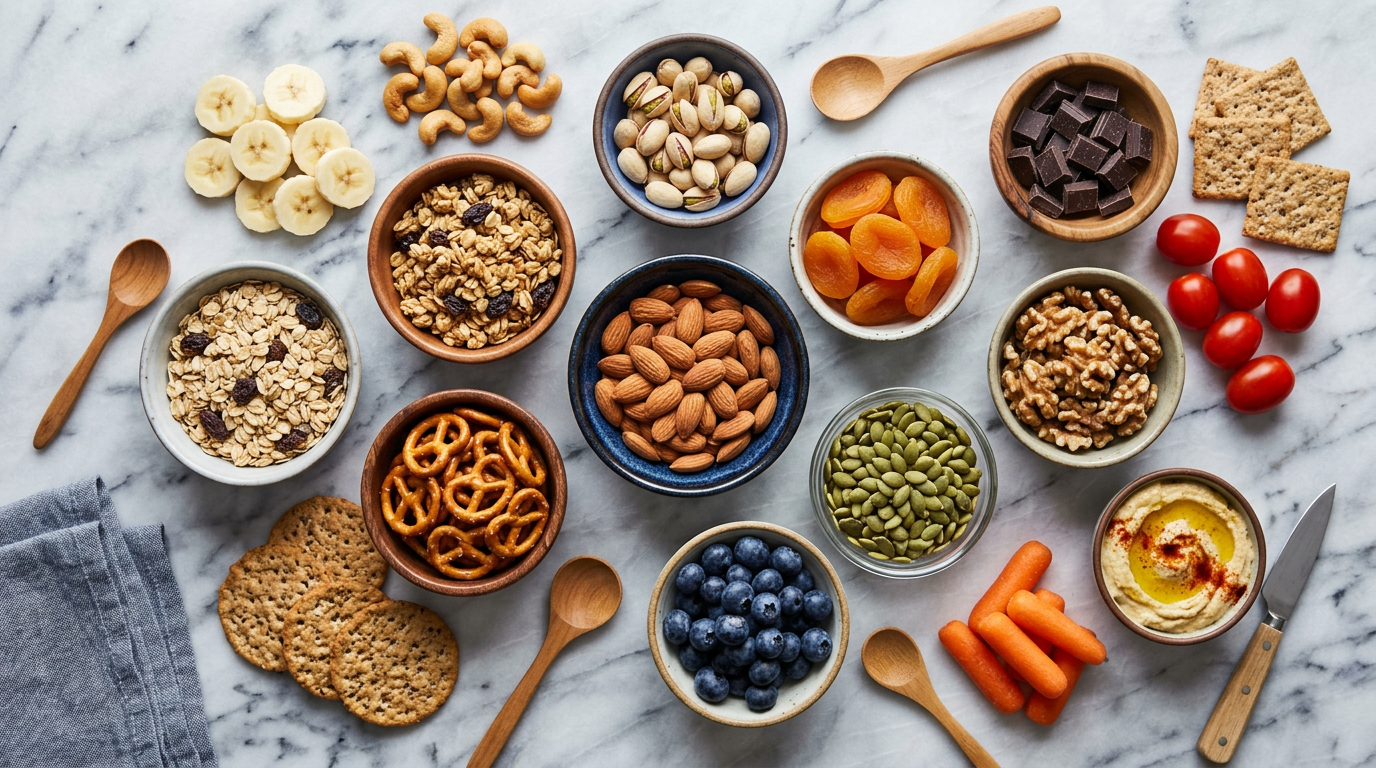
Highly processed snack foods also tend to displace healthier snacks like fruits, nuts, vegetables, and whole grains from daily diets.
Pizza and Nacho-Flavored Crackers
Pizza-inspired crackers combine multiple processed flavor categories into one product, including cheese powders, sodium, oils, and artificial seasonings.
Examples include Pizza Goldfish, Cheez-It Italian Four Cheese, Nacho Cheese Ritz Toasted Chips, Pizza Combos, and Doritos Loaded Nacho Crackers.
These snacks are often engineered for intense flavor and long shelf life rather than nutritional quality.
Ultra-processed foods have become a growing concern among nutrition researchers studying links between dietary habits and chronic disease risk.
While enjoying these snacks occasionally is unlikely to be dangerous, frequent heavy consumption may contribute to poor overall dietary patterns.
Sweet and Dessert-Style Crackers
Some crackers blur the line between savory snacks and desserts by adding sugar-heavy coatings or sweet fillings.
Products like Honey Maid Cinnamon Crackers, Fudge Covered Ritz, Oreo Ritz Crackers, Cinnamon Sugar Goldfish Grahams, and Chocolate Peanut Butter Ritz Bits often contain significant added sugar alongside refined flour.
High added-sugar diets may contribute to obesity and metabolic problems associated with increased colorectal health risks.
These snacks are also typically low in fiber, which plays an important role in digestive wellness.
Consumers sometimes mistakenly view sweet crackers as lighter alternatives to desserts despite their highly processed ingredient lists.
Why Moderation and Fiber Matter Most
No single cracker flavor directly guarantees cancer or serious illness. Overall eating patterns remain far more important than any one snack food.
Still, diets dominated by ultra-processed snacks may reduce intake of fiber-rich foods linked to better digestive and colorectal health.
Whole grains, vegetables, beans, fruits, and minimally processed foods generally provide more nutrients and fiber than heavily flavored packaged crackers.
Consumers do not necessarily need to eliminate snack crackers completely, but moderation and ingredient awareness can make a major difference over time.
Reading nutrition labels, monitoring sodium intake, and balancing processed snacks with healthier foods helps support better long-term digestive health.
As ultra-processed foods continue dominating grocery aisles, understanding ingredient quality becomes increasingly important for consumers trying to make smarter dietary choices.



Leave a Reply