
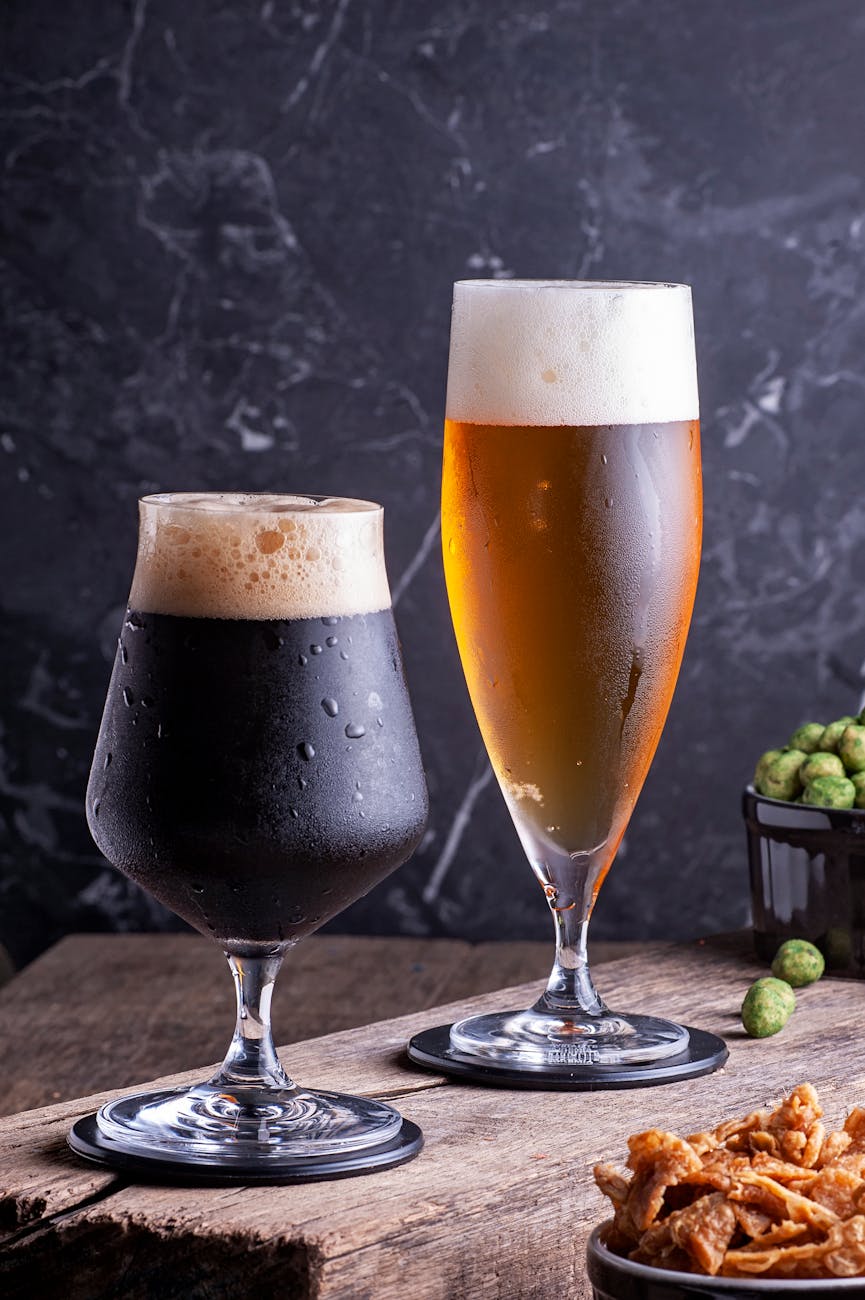
Ireland has one of the richest beer traditions in the world. For centuries, Irish breweries have produced stouts, ales, and red lagers that became deeply connected to the country’s culture and identity.
While many historic breweries disappeared over time, a handful of legendary Irish beers are still brewed today. These brands survived wars, economic downturns, changing tastes, and fierce global competition while maintaining loyal followings.
Guinness
Guinness is easily the most famous Irish beer ever created. First brewed in Dublin in 1759 by Arthur Guinness, the stout became one of the most recognizable beer brands on Earth.
The beer is known for its dark color, creamy head, and roasted flavor profile featuring notes of coffee and chocolate. Its nitrogenated pour also gives Guinness its signature smooth texture.
One reason Guinness endured for centuries is consistency. The brewery maintained a distinctive flavor while continuing to modernize production and global distribution.
Today, Guinness is still strongly associated with Irish identity and remains a centerpiece of pubs throughout Ireland and beyond.
Smithwick’s
Smithwick’s traces its origins back to 1710 in Kilkenny, making it one of Ireland’s oldest continuously brewed ales. The beer became famous for its balanced red ale style featuring mild sweetness and toasted malt flavor.
Unlike heavier stouts, Smithwick’s offers a smoother and lighter drinking experience. This helped the beer appeal to a broad range of drinkers over generations.
The brewery itself has deep historical roots connected to monastic brewing traditions in Kilkenny. Even after ownership changes and modern production updates, Smithwick’s maintained much of its original character.
Many beer enthusiasts still consider it one of the defining Irish red ales.
Beamish
Beamish Stout began brewing in Cork in 1792 and quickly became one of Ireland’s major stout competitors. For decades, Beamish rivaled Guinness in popularity, particularly in southern Ireland.
The stout is often described as slightly drier and lighter-bodied than Guinness while still delivering roasted malt flavor and creamy texture.
Beamish developed a loyal regional following because of its approachable flavor and strong connection to Cork’s brewing history. Although it no longer dominates nationally, the beer continues to hold historical significance.
Some qualities that helped classic Irish beers survive for centuries include:
- Consistent brewing traditions
- Strong regional identity
- Distinctive flavor profiles
- Loyal pub culture support
- Adaptation to changing markets
These factors helped preserve iconic Irish beer brands even as the industry evolved dramatically.
Murphy’s Irish Stout
Murphy’s Irish Stout was first brewed in Cork in 1856 and became known for its smooth, mellow flavor compared to more bitter stout styles.
The beer features notes of caramel and roasted malt with a creamy finish that appeals to drinkers seeking a softer stout experience. Many fans describe Murphy’s as sweeter and less intense than Guinness.
Murphy’s gained international recognition during the late twentieth century as Irish stout exports grew globally. Despite industry consolidation and changing ownership structures, the beer remains actively brewed today.
Its long survival highlights the lasting appeal of traditional Irish stout craftsmanship.
Harp Lager
Harp Lager may be younger than some classic Irish ales and stouts, but it still holds an important place in Irish brewing history. Introduced in 1960, Harp became one of Ireland’s earliest major lagers during a time when lighter beer styles were rapidly gaining popularity.
The beer was developed to compete with continental European lagers entering Irish and British markets. Its crisp, clean flavor profile helped attract drinkers seeking alternatives to darker stouts.
While Harp does not date back centuries like Guinness or Smithwick’s, it represents a major shift in Ireland’s brewing evolution. The lager remains one of the country’s most enduring modern beer brands.
Its continued production reflects how Irish brewing adapted to changing consumer tastes while preserving national brewing identity.
Why Historic Irish Beers Still Matter
These beers survived because they became more than beverages. They evolved into symbols of Irish culture, hospitality, and tradition passed down through generations.
Many historic breweries embraced modernization without completely abandoning their original brewing styles. That balance helped them stay relevant while preserving their heritage.
Today, Irish beer remains globally respected not only for quality but also for the deep stories connected to the breweries themselves. Each pint represents centuries of craftsmanship, resilience, and brewing tradition that continues to thrive.



Leave a Reply