
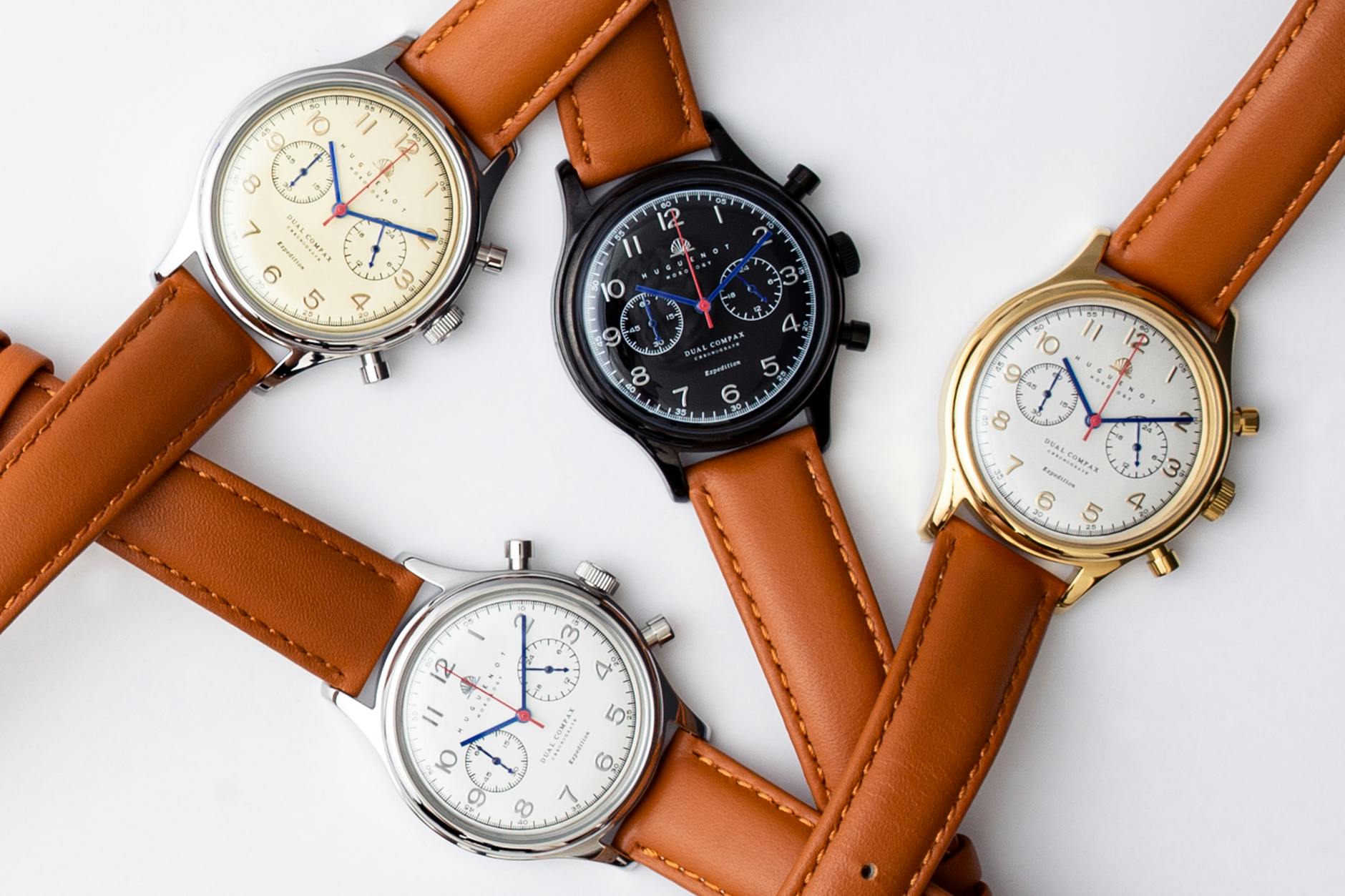
For Baby Boomers, watches were never just about telling time. A good watch represented adulthood, professionalism, success, and personal style. Long before smartphones existed, a wristwatch was one of the most important everyday accessories a person could own.
During the 1950s through the 1980s, several watch styles became especially iconic among Boomers. Some reflected elegance and sophistication, while others symbolized adventure, technology, or status.
Today, many of these classic designs remain highly collectible and continue influencing modern watch fashion.
Dress Watches
Dress watches became a staple accessory for Baby Boomers entering adulthood during the 1960s and 1970s. These watches emphasized simplicity, elegance, and slim profiles designed to pair with business attire.
Most dress watches featured clean dials, leather straps, and understated metallic cases. Gold-tone finishes were especially popular because they projected sophistication without appearing overly flashy.
Brands like Timex, Bulova, and Seiko became household names by producing reliable and stylish dress watches at multiple price points.
Many Boomers viewed a quality dress watch as a rite of passage connected to career success and adulthood.
Digital Watches
The arrival of digital watches in the 1970s completely changed the watch industry. For many Baby Boomers, owning one of these futuristic-looking watches felt exciting and modern.
Digital displays, alarm functions, calculators, and stopwatch features helped these watches stand out from traditional analog designs. The bold electronic styling perfectly matched the era’s fascination with new technology.
One of the most iconic digital watch brands was Casio, which became famous for affordable and feature-packed models.
Popular features that made digital watches appealing included:
- Built-in alarms
- Stopwatch functions
- Calculator buttons
- Water resistance
- Illuminated displays
These watches represented innovation and quickly became a defining style for younger Boomers during the late 1970s and early 1980s.
Dive Watches
Dive watches gained popularity among Baby Boomers because they projected toughness, adventure, and masculinity. Even people who never entered the ocean often wore them as fashion statements.
These watches featured rotating bezels, bold hour markers, and water-resistant construction. Their rugged appearance made them especially appealing during the rise of outdoor recreation culture.
Luxury models from Rolex and more affordable versions from Citizen and Seiko became highly desirable.
Dive watches also gained cultural influence through movies and television, where action heroes frequently wore them on screen.
Expansion Band Watches
Expansion band watches were enormously popular among Boomers because they offered convenience and comfort. Instead of traditional buckles, these metal bands stretched to slide easily onto the wrist.
The style became strongly associated with practicality and everyday wear. Many office workers and retirees appreciated how quickly the watches could be removed or adjusted.
Brands like Timex and Bulova sold millions of expansion-band watches throughout the mid-to-late twentieth century.
While younger generations sometimes view the style as old-fashioned today, many Boomers still appreciate the nostalgic comfort and simplicity of expansion bands.
Chronograph Watches
Chronograph watches combined sporty styling with extra timing functions. Their multiple dials and push buttons created a more technical appearance that appealed to many Baby Boomers.
Originally associated with racing and aviation, chronographs became mainstream fashion accessories during the 1970s. The watches looked sophisticated while also appearing functional and rugged.
Brands such as Omega and Seiko helped popularize chronographs across different price ranges.
Many Boomers viewed chronographs as premium watches because of their more complex appearance and mechanical precision. Even today, vintage chronographs remain highly collectible.
Why These Watch Styles Still Matter Today
Many of the watch styles favored by Baby Boomers continue influencing modern designs decades later. Fashion trends often recycle classic aesthetics, and vintage-inspired watches remain extremely popular.
Collectors especially appreciate older watches because they represent a time when watches served as deeply personal accessories rather than disposable technology products.
For Baby Boomers, watches often carried emotional significance connected to careers, milestones, gifts, and family memories. That nostalgia continues driving interest in classic timepieces today.
Even in the smartphone era, these iconic watch styles still symbolize craftsmanship, tradition, and timeless personal style.




Leave a Reply