
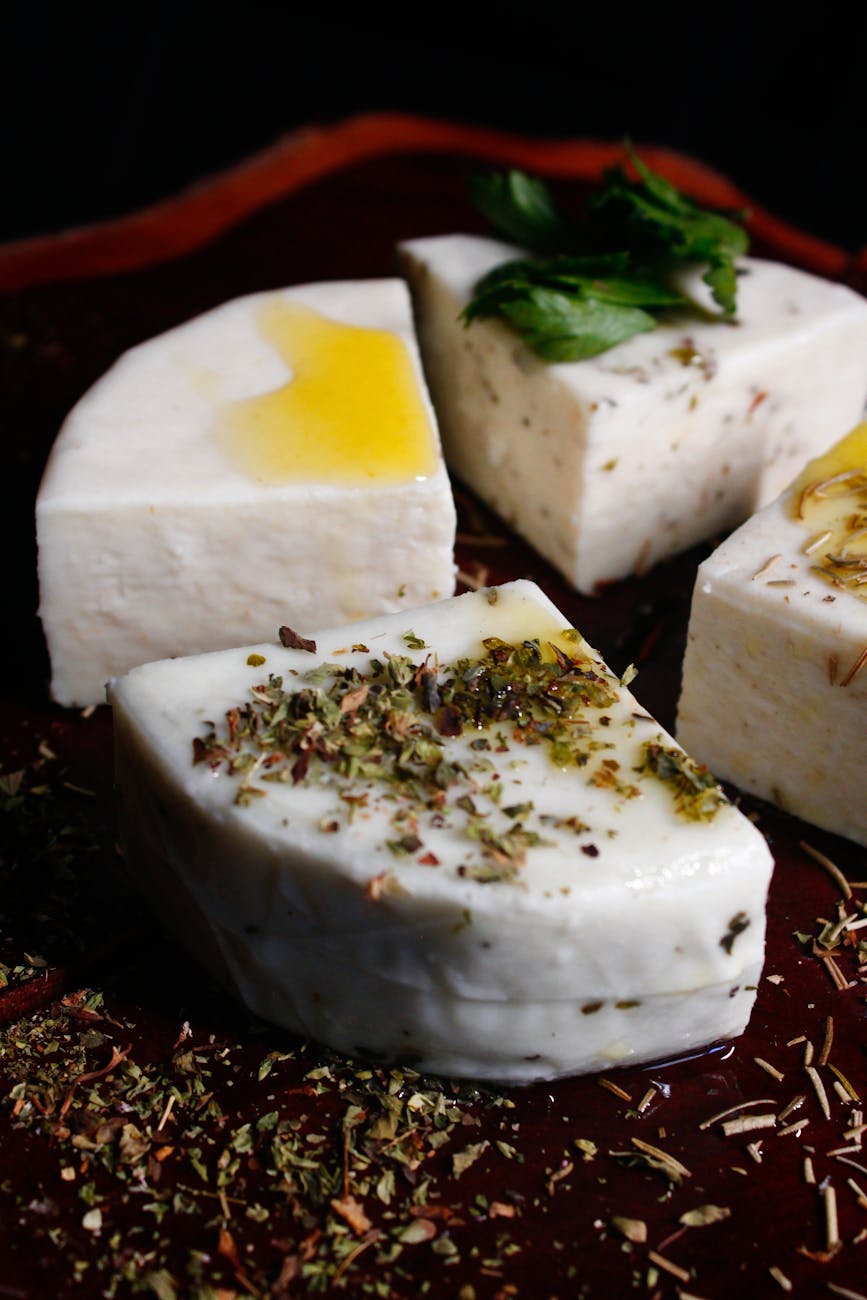
Cheese is a nutrient-dense food that provides calcium, protein, and fat-soluble vitamins. However, it is also high in saturated fat and sodium in many popular varieties, which is why it is frequently discussed in relation to long-term dietary health patterns.
It is important to be clear: no single cheese directly “causes cancer.” Instead, research has explored how diets high in ultra-processed foods, saturated fats, and sodium may be associated with increased health risks when consumed frequently over time.
Certain types of cheese are more heavily processed or nutritionally imbalanced than others, which is why they are often viewed less favorably in health-focused discussions.
Processed Cheese Slices (e.g., Kraft Singles)
Processed cheese slices are engineered products rather than traditional cheese. They often contain emulsifiers, preservatives, and added sodium to achieve their smooth texture and long shelf life.
Because they are highly processed, they differ significantly from natural cheeses in both structure and ingredient complexity. This processing is what raises concern in discussions about ultra-processed food consumption patterns.
Frequent intake of heavily processed foods has been studied in relation to overall diet quality, which may indirectly influence long-term health outcomes when paired with other risk factors such as low fiber intake and high red meat consumption.
American Cheese
American cheese is technically a processed cheese product rather than a natural cheese variety. It is designed for melting consistency, which makes it popular in burgers and sandwiches.
However, its manufacturing process often includes blending cheese with milk solids, emulsifying salts, and stabilizers. This gives it a uniform texture but also places it firmly in the ultra-processed category.
From a nutrition standpoint, concerns typically focus on its sodium content and the frequency with which it is consumed in fast-food environments rather than any single ingredient.
Blue Cheese
Blue cheese is a traditional aged cheese made using specific molds that create its distinctive veins and strong flavor. While it is less processed than sliced cheeses, it is very high in saturated fat and sodium.
In dietary research, high intake of saturated fat has been studied as part of broader patterns linked to certain health risks. However, blue cheese itself is not classified as carcinogenic and can still be part of a balanced diet when eaten in moderation.
Its strong flavor often leads to smaller portion sizes, which can help mitigate nutritional concerns compared to milder cheeses consumed in larger amounts.
Brie Cheese
Brie is a soft, creamy cheese with a high fat content and a rich texture. It is often enjoyed with bread, fruit, or crackers in small servings.
Because of its creamy composition, brie is calorie-dense and contains significant saturated fat. Diets high in saturated fat are sometimes discussed in relation to long-term cardiovascular and metabolic health considerations.
However, brie also provides protein and calcium, and its impact on health depends heavily on overall dietary patterns rather than occasional consumption.
Cheese Spreads and Shelf-Stable Products
Cheese spreads and shelf-stable cheese products are designed for convenience and long shelf life. These products often contain stabilizers, preservatives, and added oils to maintain texture.
While convenient, they tend to be more processed than traditional cheeses. This processing level places them in the same category of concern as other ultra-processed foods in nutrition research discussions.
Common characteristics include:
- High sodium content
- Added emulsifiers
- Long ingredient lists
- Extended shelf stability
- Lower natural cheese content
These factors contribute more to general dietary quality concerns than any direct disease risk from cheese itself.
Putting Cheese Into a Balanced Perspective
Cheese can absolutely be part of a healthy diet when consumed in moderation. Many traditional cheeses provide valuable nutrients, and their health impact depends largely on portion size and overall dietary habits.
The greater concern in nutrition research is not cheese alone, but consistent patterns of high intake of ultra-processed foods combined with low fiber intake and limited whole foods.
Understanding the differences between natural and heavily processed cheeses can help consumers make more informed choices without unnecessarily eliminating foods they enjoy.

Leave a Reply