
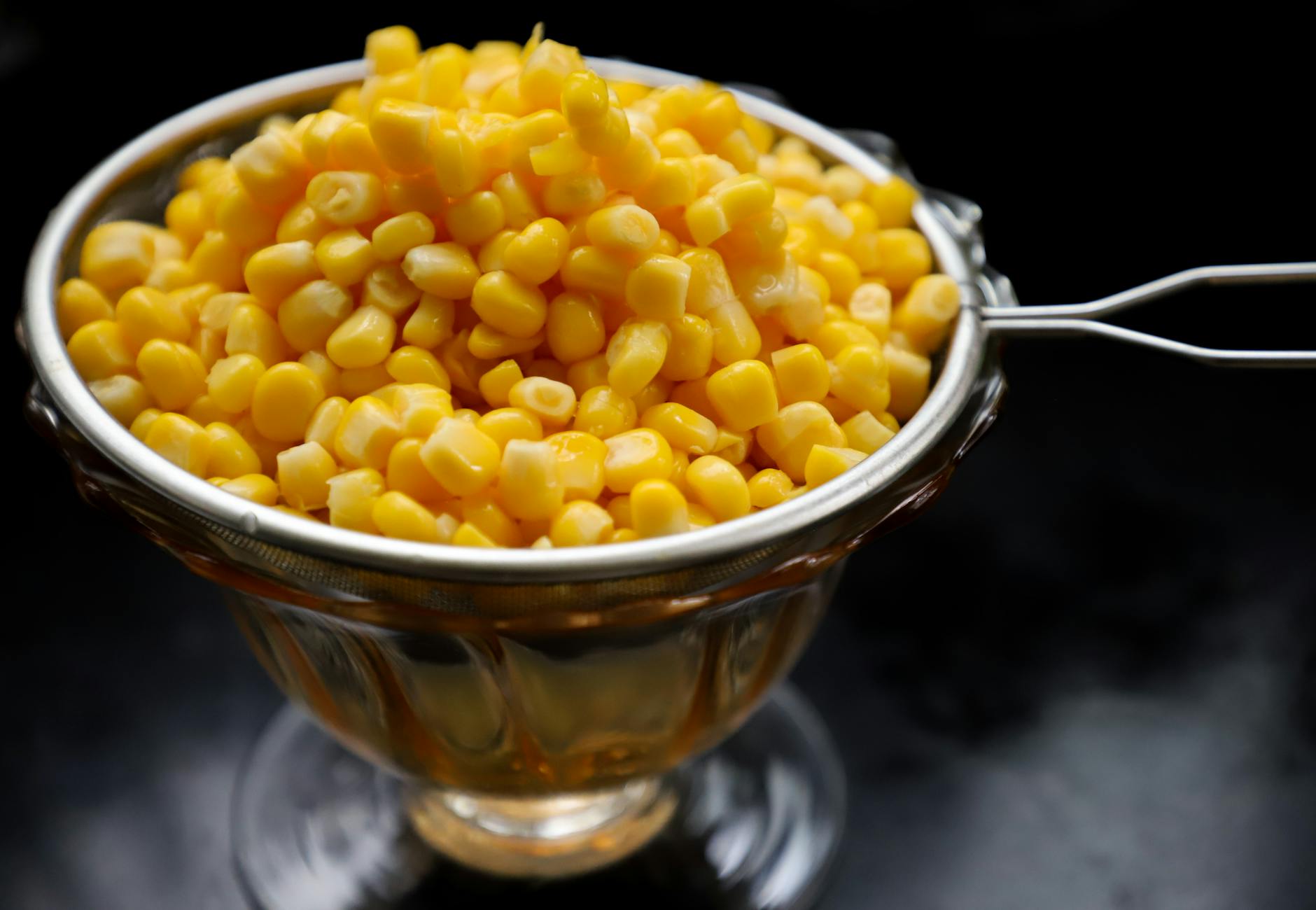
Canned corn is a convenient pantry staple found in most kitchens. It is affordable, long-lasting, and easy to use in soups, salads, casseroles, and side dishes. However, not all canned corn products are nutritionally equal.
Some varieties are high in sodium, contain added sugars, or use preservatives and additives that health-conscious consumers may prefer to limit. The biggest concerns usually come from processing methods and added ingredients rather than corn itself.
Understanding label differences can help shoppers choose better options and reduce unnecessary dietary risks.
Del Monte Golden Sweet Whole Kernel Corn
Del Monte’s sweet corn products are widely available and popular, but some versions contain added salt and sugar to enhance flavor. While generally safe, these additions may be a concern for people monitoring sodium or blood sugar intake.
Many canned versions prioritize taste consistency over minimal processing. This can lead to higher sodium levels compared to fresh or frozen corn.
Consumers looking for healthier options often choose “no salt added” varieties within the same brand to reduce unnecessary intake.
Green Giant Niblets Whole Kernel Corn
Green Giant is another widely recognized canned vegetable brand. Its Niblets corn is known for its sweet flavor and soft texture, but certain varieties contain added salt or preservatives.
While convenient, these additives can increase sodium consumption when eaten frequently. Over time, excessive sodium intake is associated with higher risks of hypertension in general dietary research.
The brand does offer lower-sodium options, which are typically a better choice for regular consumption.
Libby’s Sweet Corn
Libby’s canned corn is often praised for affordability and shelf stability. However, some versions include added salt and natural flavoring agents that may not be necessary for all consumers.
The concern is less about safety and more about cumulative dietary intake. People who consume multiple processed foods daily may unknowingly exceed recommended sodium levels.
Reading nutrition labels carefully is especially important with budget-friendly canned vegetables like this.
Amazon Fresh Canned Corn
Store-brand products like Amazon Fresh canned corn can vary in formulation depending on the supplier. Some versions are simple and contain only corn, water, and salt, while others may include added sugars or preservatives.
This inconsistency makes it important for shoppers to compare labels rather than assume uniform quality across all store-brand canned vegetables.
Choosing “no salt added” or “organic” versions can help reduce exposure to unnecessary additives.
Great Value Whole Kernel Corn
Great Value, Walmart’s store brand, offers some of the most affordable canned corn options. While budget-friendly, certain versions may contain higher sodium levels compared to premium or organic alternatives.
Cost-effective products often rely on salt for flavor consistency and preservation. This is not inherently dangerous but may contribute to excess sodium intake if consumed frequently.
For individuals managing blood pressure or heart health, checking the label is particularly important with lower-cost canned vegetables.
Key Nutritional Considerations in Canned Corn
Rather than focusing on specific brands, it is more useful to understand what makes certain canned corn products less ideal for frequent consumption.
Common concerns include:
- High sodium content
- Added sugars in sweetened varieties
- Use of preservatives or stabilizers
- Lack of “no salt added” labeling
- Over-reliance on processed foods in the diet
These factors can add up when canned vegetables are eaten regularly alongside other processed foods.
How to Choose Healthier Canned Corn
Canned corn itself can be part of a balanced diet when chosen carefully. The healthiest options typically contain only corn, water, and possibly a small amount of salt.
Rinsing canned corn before use can also help reduce sodium content. Pairing it with fresh vegetables, lean proteins, and whole grains can improve overall meal quality.
Consumers who prioritize nutrition often compare labels closely and choose low-sodium or no-salt-added varieties whenever possible.
Smarter Grocery Choices Matter More Than Single Foods
No single canned corn product is inherently dangerous, but overall dietary patterns matter. Regular consumption of high-sodium or heavily processed foods may contribute to long-term health concerns when combined with other risk factors.
Making informed choices at the grocery store helps reduce unnecessary additives while still enjoying convenient pantry staples.
With a little label awareness, canned corn can remain a practical and healthy ingredient in everyday meals.



Leave a Reply