
Irish whiskey has one of the longest recorded histories in the global spirits industry, with distilling traditions dating back centuries. While many historic distilleries have closed and been revived over time, a handful of Irish whiskey names have endured continuously—or near-continuously—and are still widely available today. These surviving brands reflect the evolution of Irish whiskey from small-scale pot still production to globally recognized spirits.
Bushmills
Bushmills is often cited as the oldest licensed whiskey distillery in the world, with a license granted in 1608 in County Antrim, Ireland. While the modern operation has evolved significantly over centuries, the brand remains one of the most historically significant names in Irish whiskey.
Bushmills is known for its triple-distilled single malt whiskey, which emphasizes smoothness and light fruit notes. Its production methods reflect traditional Irish whiskey techniques that have been refined rather than reinvented over time.
Today, Bushmills remains a cornerstone of Irish whiskey exports, maintaining its reputation through consistent core expressions and aged single malts.
Jameson
Jameson was first established in 1780 by John Jameson in Dublin and has since become one of the most recognizable whiskey brands in the world. It represents the classic Irish blended whiskey style, known for its smooth and approachable character.
Jameson’s production now takes place at the Midleton Distillery in County Cork, where modern techniques are combined with traditional triple distillation. This process creates a balanced spirit with notes of vanilla, spice, and light orchard fruit.
Its global popularity has helped define Irish whiskey for many modern drinkers, making it a key historical name still in production today.
Powers
Powers dates back to 1791 when it was first distilled in Dublin. It was originally produced at John’s Lane Distillery, which played a major role in shaping the Irish whiskey industry during the 19th century.
Powers is known for its bold pot still style, which uses a higher proportion of pot still whiskey in its blends. This gives it a spicier, more robust profile compared to lighter Irish whiskeys.
The brand continues to be produced today as part of the modern Irish whiskey revival, maintaining its historical identity while appealing to contemporary whiskey drinkers.
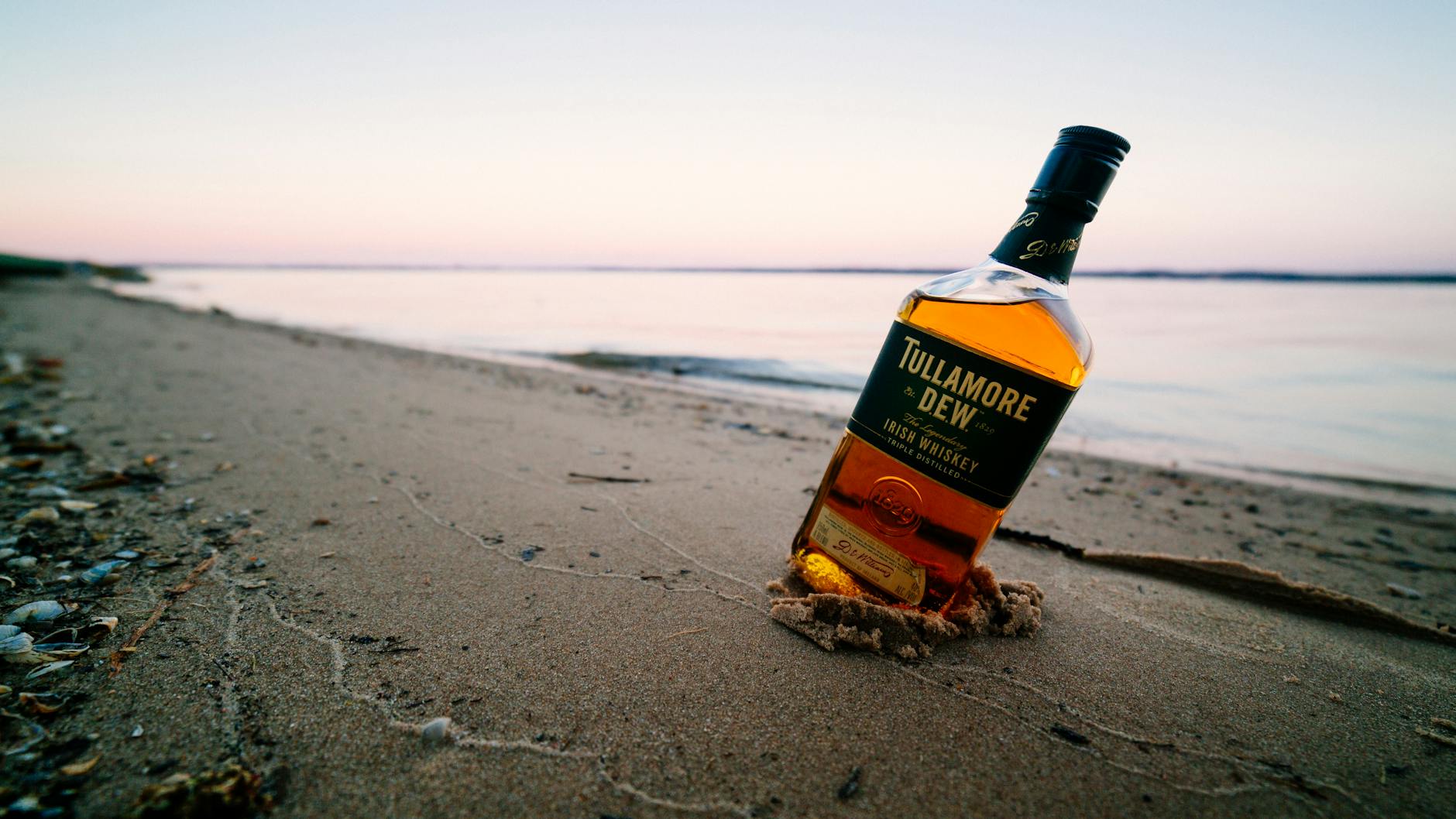
Tullamore D.E.W.
Tullamore D.E.W. was first introduced in 1829 in Tullamore, County Offaly. The brand name comes from Daniel E. Williams, a key figure in its early development and expansion.
Tullamore D.E.W. is known for its triple blend of pot still, malt, and grain whiskey, which results in a smooth and versatile spirit. It is often described as light, slightly sweet, and easy to drink.
After historical closures and revivals, the brand has regained strong international presence and remains one of Ireland’s most enduring whiskey names.
Redbreast
Redbreast traces its origins to the early 20th century, with production beginning in 1903 through the W&A Gilbey company. It is one of the most famous single pot still Irish whiskeys still in production today.
Redbreast is highly regarded for its rich, full-bodied style, which includes notes of dried fruit, spice, and sherry influence from cask aging. Unlike many blended whiskeys, it maintains a traditional pot still character that appeals to whiskey enthusiasts.
The brand has become a flagship example of classic Irish whiskey craftsmanship preserved into the modern era.
Common Traits Of Historic Irish Whiskey Brands
Despite their differences in style and origin, these historic Irish whiskey brands share several important characteristics that have helped them endure for centuries.
Common features include:
- Long-standing distillation traditions dating back to the 18th or 19th centuries
- Use of triple distillation for smoother spirit profiles
- Strong ties to Irish regional heritage and distilling families
- Adaptation through closures, revivals, and modern ownership changes
- Global expansion while maintaining traditional recipes
These qualities have helped preserve their identities even as the whiskey industry has changed dramatically.
The Legacy Of Irish Whiskey Production
Irish whiskey has experienced cycles of decline and revival over the past few centuries, particularly during the 20th century when global competition and economic challenges reduced production. However, renewed international interest has led to significant growth and investment in recent decades.
Historic brands have played a major role in this resurgence by reconnecting modern consumers with traditional Irish distilling methods. Today, these long-established names continue to represent both heritage and innovation in the global spirits market.
Conclusion
The oldest Irish whiskey names still in production represent a living connection to centuries of distilling history. From ancient licensed distilleries to iconic 18th- and 19th-century brands, these whiskeys continue to evolve while preserving their original character. Their endurance highlights the strength of Irish whiskey tradition and its lasting influence around the world.



Leave a Reply