
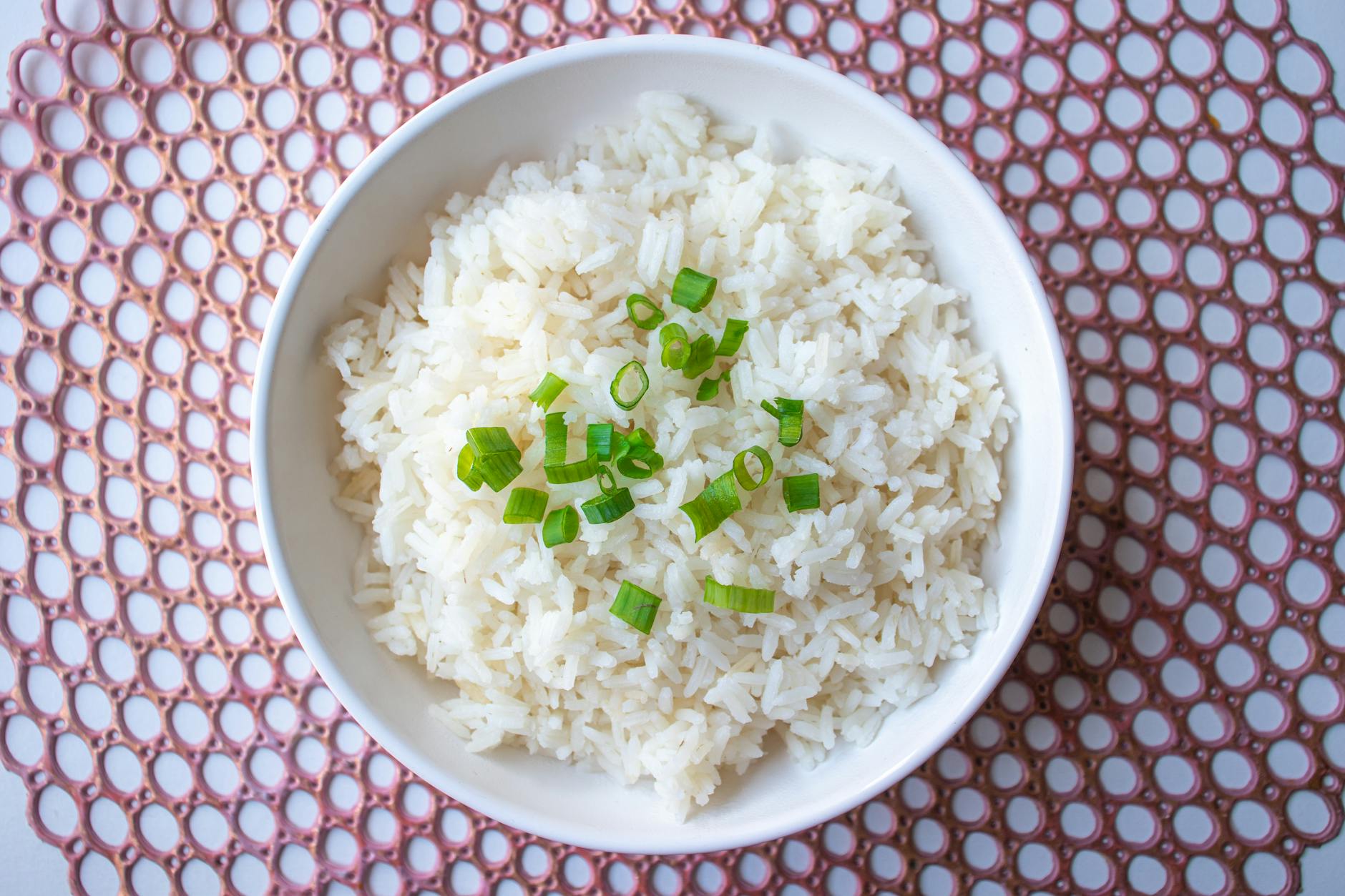
Pre-cooked rice products have become increasingly popular because they are fast, convenient, and easy to prepare in minutes. From microwaveable pouches to frozen rice bowls, these products are designed for busy consumers looking for quick meal solutions. However, not all pre-cooked rice products offer the same level of quality.
Some are heavily processed, packed with sodium, loaded with preservatives, or filled with artificial flavorings that overshadow the nutritional simplicity rice is known for. While occasional convenience foods are common in modern diets, certain products are frequently criticized for ingredient quality and overall nutritional value.
Knorr Rice Sides
Knorr Rice Sides are widely sold as inexpensive and convenient meal additions, but many varieties contain extremely high sodium levels and artificial flavor enhancers.
Flavors like Cheddar Broccoli or Chicken Fried Rice often rely more on seasoning powders and preservatives than actual vegetables or proteins. The ingredient lists can be surprisingly long for what is marketed as a simple rice side dish.
Many nutrition-conscious shoppers avoid these products because of their refined ingredients and heavily processed flavor profiles.
Ben’s Original Ready Rice
Ben’s Original Ready Rice offers fast preparation, but flavored versions frequently contain added oils, sodium, and stabilizers to preserve texture during shelf storage.
Products like Spanish Style or Fried Rice varieties can contain significantly more sodium than freshly prepared rice dishes made at home. The convenience factor is high, but the nutritional balance is often less impressive.
Some consumers also criticize the texture of microwaveable rice pouches, describing them as overly soft or artificially moist compared to freshly cooked rice.
Rice-A-Roni
Rice-A-Roni has been a pantry staple for decades, but many varieties rely heavily on sodium, preservatives, and refined starches.
The “San Francisco Treat” branding made the product iconic, yet nutrition experts often point out that flavored mixes can contain excessive seasoning powders and oils. Some varieties also include artificial colors and flavoring agents.
While convenient, these products are far removed from plain whole-grain rice preparations.
Zatarain’s Ready to Serve Rice
Zatarain’s Ready to Serve Rice is popular for Cajun-inspired flavors, but many versions contain large amounts of sodium and heavily processed spice blends.
Rice dishes such as jambalaya-style or dirty rice products often include processed meat flavoring, preservatives, and oils designed for long shelf life. The strong seasoning can also mask the relatively low vegetable or protein content inside the package.
Consumers looking for healthier options often prefer homemade rice dishes seasoned with fresh herbs and ingredients instead.
Minute Ready to Serve Rice
Minute Ready to Serve Rice are marketed for speed and convenience, but some flavored varieties contain added sodium and preservatives that reduce their nutritional appeal.
The single-serve cups are convenient for office lunches or fast dinners, yet they are often more expensive per serving than traditional rice while providing fewer nutrients and less texture quality.
Many versions also rely on plastic packaging and shelf-stabilizing methods that prioritize convenience over freshness.
Common Problems With Pre-Cooked Rice Products
Many packaged rice products share similar drawbacks because manufacturers focus heavily on shelf stability and rapid preparation.
Common concerns include:
- High sodium content
- Artificial flavorings and preservatives
- Refined grains with limited fiber
- Excess oils or processed seasoning packets
- Softer texture from industrial preparation methods
These issues can make convenience rice products less appealing compared to freshly cooked alternatives.
Why Freshly Cooked Rice Is Often Preferred
Freshly prepared rice allows for better control over ingredients, sodium levels, and cooking methods. Brown rice, jasmine rice, basmati rice, and wild rice blends can all be prepared without unnecessary additives.
Home-cooked rice also pairs more naturally with vegetables, lean proteins, and homemade sauces. Many consumers prefer the texture and flavor of freshly steamed rice compared to shelf-stable microwave products.
Cooking rice from scratch may take longer, but it often results in a simpler ingredient list and a more balanced meal overall.
Conclusion
Pre-cooked rice products offer undeniable convenience, but some varieties are heavily processed and packed with additives that reduce their overall nutritional quality. Paying closer attention to sodium content, preservatives, and ingredient lists can help consumers make more informed choices when shopping for quick meal options.




Leave a Reply