
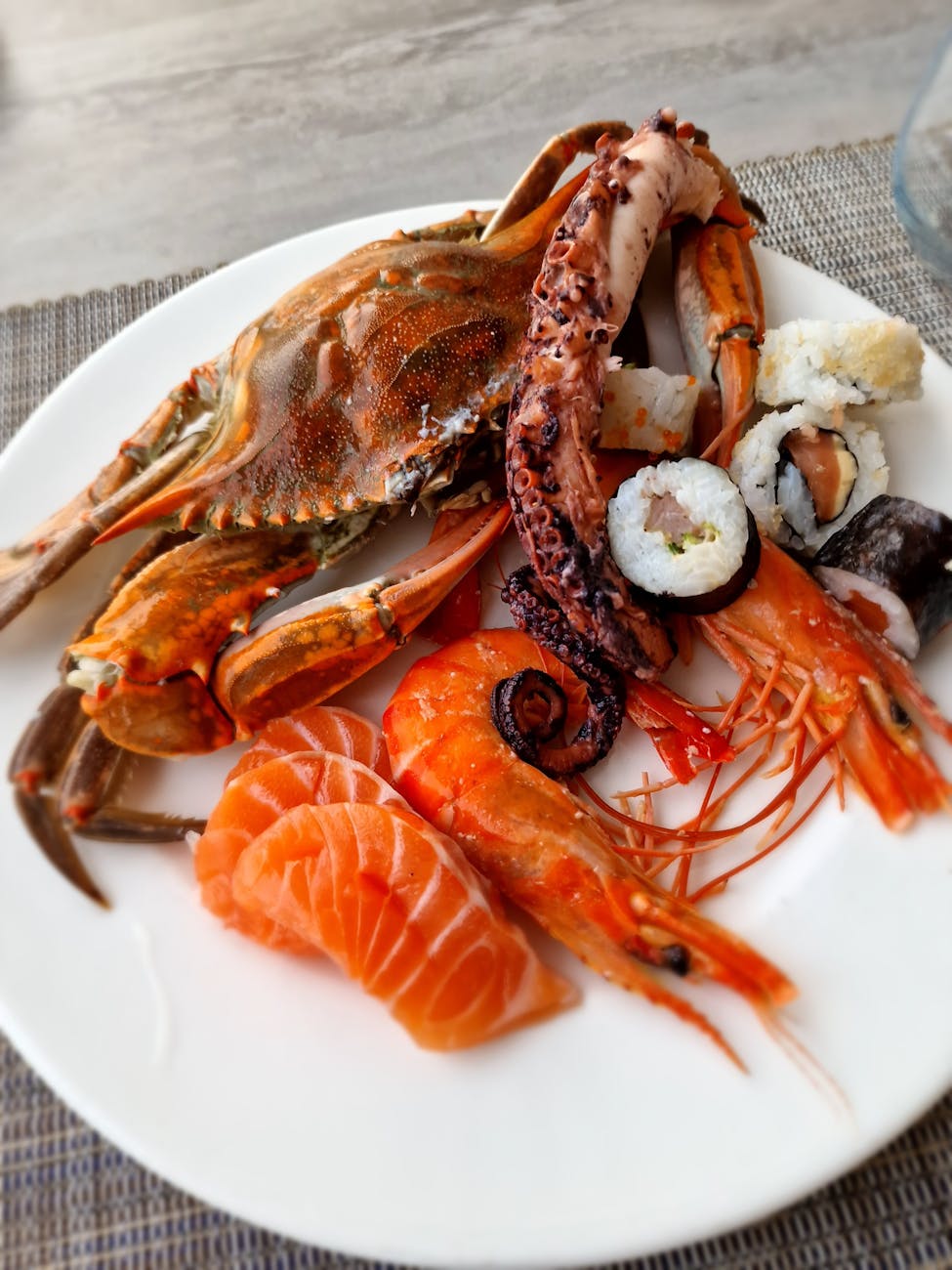
Butchers are excellent sources for steaks, roasts, sausages, and specialty meats, but seafood is a completely different category that requires strict handling, temperature control, and rapid turnover. While some high-end butcher shops maintain quality seafood counters, many smaller butcher operations simply do not specialize in fish and shellfish.
Seafood is far more delicate than beef or pork. Improper storage, slow turnover, or poor moisture control can quickly affect freshness, texture, and flavor. Certain seafood products are especially risky to buy from shops that primarily focus on land-based meats.
Oysters Require Specialized Freshness Handling
Oysters are among the most temperature-sensitive seafood products sold to consumers.
Because oysters are often eaten raw, freshness and proper cold-chain storage are critical. Seafood markets usually rotate shellfish inventory quickly and maintain dedicated storage systems specifically designed for live shellfish.
A butcher shop that only occasionally stocks oysters may not have the same turnover or specialized handling procedures, increasing the chances of poor texture or spoilage.
Sushi-Grade Tuna Needs Precise Temperature Control
Tuna intended for sushi or searing requires extremely careful handling from supplier to display case.
Dedicated fish markets typically receive frequent seafood deliveries and maintain strict temperature consistency to preserve texture and color. Butcher shops focused mainly on beef and pork may not prioritize seafood inventory rotation at the same level.
Poorly handled tuna can quickly lose its bright appearance and firm texture, making it noticeably lower quality even before cooking.
Mussels Spoil Faster Than Many People Realize
Mussels are highly perishable shellfish that require excellent ventilation and moisture control while remaining cold.
Seafood specialists are generally better equipped to monitor shellfish freshness and remove dead mussels quickly. At general butcher counters, mussels may sit too long if customer demand is low.
Because mussels are sold alive, freshness matters tremendously for both flavor and food safety concerns.
- Signs seafood may not be fresh:
- Strong fishy odor
- Slimy texture
- Cloudy eyes on whole fish
- Dry or discolored flesh
- Open shellfish that do not close when tapped
Crab Legs Often Sit Frozen Too Long
Crab legs are commonly sold frozen, but storage quality still matters significantly.
Seafood-focused retailers usually maintain better freezer rotation and humidity control, helping preserve texture and flavor. Smaller butcher shops may keep frozen seafood inventory longer due to lower sales volume.
Extended freezer storage can lead to freezer burn, dried-out meat, and reduced sweetness in crab legs over time.
Shrimp Quality Depends Heavily On Turnover
Shrimp is one of the most popular seafood items in the world, but it also deteriorates quickly once thawed.
Good seafood counters rotate shrimp inventory rapidly because demand remains consistently high. In contrast, butcher shops without heavy seafood traffic may hold thawed shrimp too long before sale.
Texture is usually the first thing affected. Older shrimp often become mushy or watery instead of firm and snappy when cooked.
Dedicated Fish Markets Usually Offer Better Expertise
Seafood requires a different level of product knowledge than traditional butchered meats. Fishmongers are trained to identify freshness indicators, monitor shellfish conditions, and properly fillet delicate fish species.
Many butcher shops simply do not specialize in seafood to the same degree. Even if the products are technically safe, the quality may not match what consumers would find at a dedicated seafood market or high-turnover grocery fish counter.
For premium seafood purchases, expertise and inventory turnover often matter just as much as price.
Not Every Butcher Shop Is The Same
It is important to note that some upscale butcher shops operate excellent seafood departments with trained staff and fresh daily deliveries. The concern applies mostly to general meat-focused shops that carry seafood as a secondary category.
Consumers should evaluate freshness carefully regardless of where they shop. Asking questions about delivery schedules, sourcing, and turnover can reveal a lot about seafood quality before purchasing.
In many cases, buying seafood from specialists remains the safest and most reliable choice for flavor, freshness, and overall cooking results.



Leave a Reply