
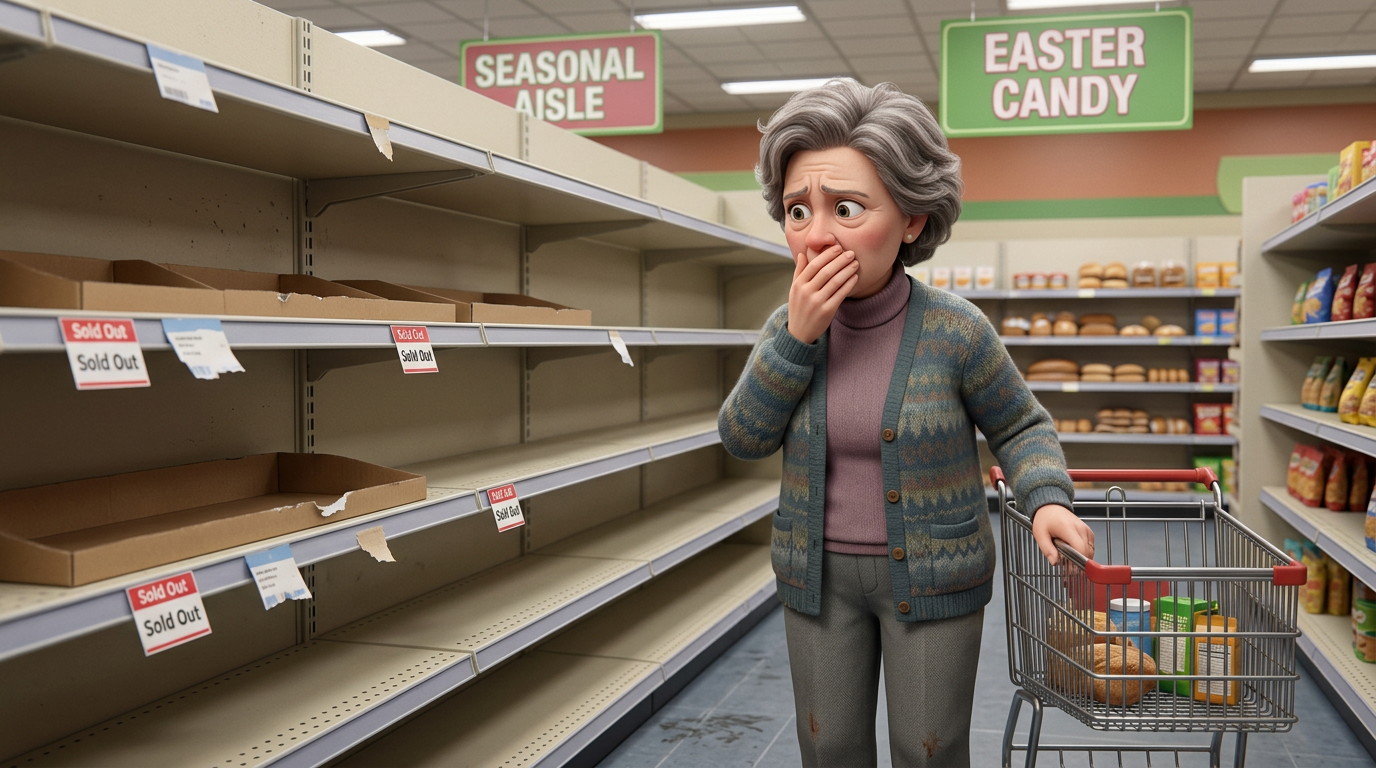
For Baby Boomers growing up in the 1950s, 1960s, and 1970s, Easter baskets were packed with colorful candies that looked very different from today’s chocolate-heavy selections. Drugstores, dime stores, and grocery aisles were filled with marshmallow treats, malted candies, and seasonal sweets that appeared once a year and then vanished until the following spring.
Many of these Easter candies have faded from popularity or disappeared entirely, but they remain tied to childhood memories of egg hunts, pastel decorations, and family gatherings.
Brach’s Jelly Bird Eggs
Brach’s Jelly Bird Eggs were a staple of Easter candy dishes for decades. These brightly colored jelly candies came coated in a sugary shell and were often sold in large bulk bins at grocery stores.
Unlike modern gourmet jelly beans, these candies had a firmer texture and bold fruit flavors that many Baby Boomers instantly recognize. Families frequently poured them into glass bowls during Easter gatherings or used them to fill plastic eggs.
The pastel colors and slightly chewy centers became strongly associated with springtime celebrations throughout mid-century America.
Marshmallow Peeps
Marshmallow Peeps remain available today, but the original versions from earlier decades carried a different cultural presence. For many Boomers, Peeps were one of the defining Easter candies of childhood.
The brightly colored marshmallow chicks were simple, sugary, and instantly recognizable in Easter baskets. Many children either loved their soft texture or avoided them entirely, making them a memorable conversation piece every holiday season.
During the 1950s and 1960s, Peeps stood out because of their unique appearance and playful design compared to more traditional chocolate candies.
Robin Eggs
Robin Eggs were another classic Easter favorite, especially popular among children who enjoyed crunchy candy coatings and malted centers.
These egg-shaped candies were often packaged in small milk-carton-style boxes and featured speckled pastel shells designed to resemble bird eggs. Their crunchy exterior combined with the malted filling made them different from standard chocolate treats.
Many Baby Boomers remember finding these candies tucked into plastic grass alongside chocolate rabbits and jelly beans.
Chocolate Easter rabbits
Chocolate Easter rabbits have existed for generations, but the hollow foil-wrapped versions popular during the Baby Boomer era became especially iconic.
These rabbits were often large centerpiece items in Easter baskets and came wrapped in brightly colored foil with painted facial details. Children debated whether the “correct” way to eat them started with the ears or the feet.
While chocolate bunnies still exist today, many Boomers remember older varieties as simpler, less elaborate, and more closely tied to local candy shops and regional brands.
Palmer Easter Candies
Palmer Easter candies were extremely common in discount stores and supermarkets throughout the mid-to-late 20th century. These inexpensive chocolates came shaped like rabbits, eggs, and chicks wrapped in shiny holiday foil.
Although they were not considered premium chocolate, they became deeply nostalgic due to how often they appeared in Easter baskets and school celebrations.
Many families bought Palmer products because they were affordable and widely available, making them a familiar part of holiday traditions for millions of children.
Why These Easter Candies Were So Memorable
Classic Easter candies from the Baby Boomer era shared several traits that helped them stand out in childhood memories. Unlike modern candy aisles filled year-round with seasonal crossovers, many Easter treats only appeared briefly each spring.
Common features included:
- Bright pastel colors and themed packaging
- Seasonal availability tied specifically to Easter
- Affordable candy sold in bulk bins or variety packs
- Marshmallow, malted milk, and jelly textures
- Decorative foil wrapping and basket presentation
These details helped create a strong sense of anticipation around Easter candy shopping.
Conclusion
Forgotten Easter candies remain an important part of Baby Boomer nostalgia because they were tied to family traditions, seasonal excitement, and childhood celebrations. While modern Easter candy selections have evolved, many of these classic treats still evoke memories of simpler holiday gatherings and neighborhood egg hunts.

Leave a Reply