
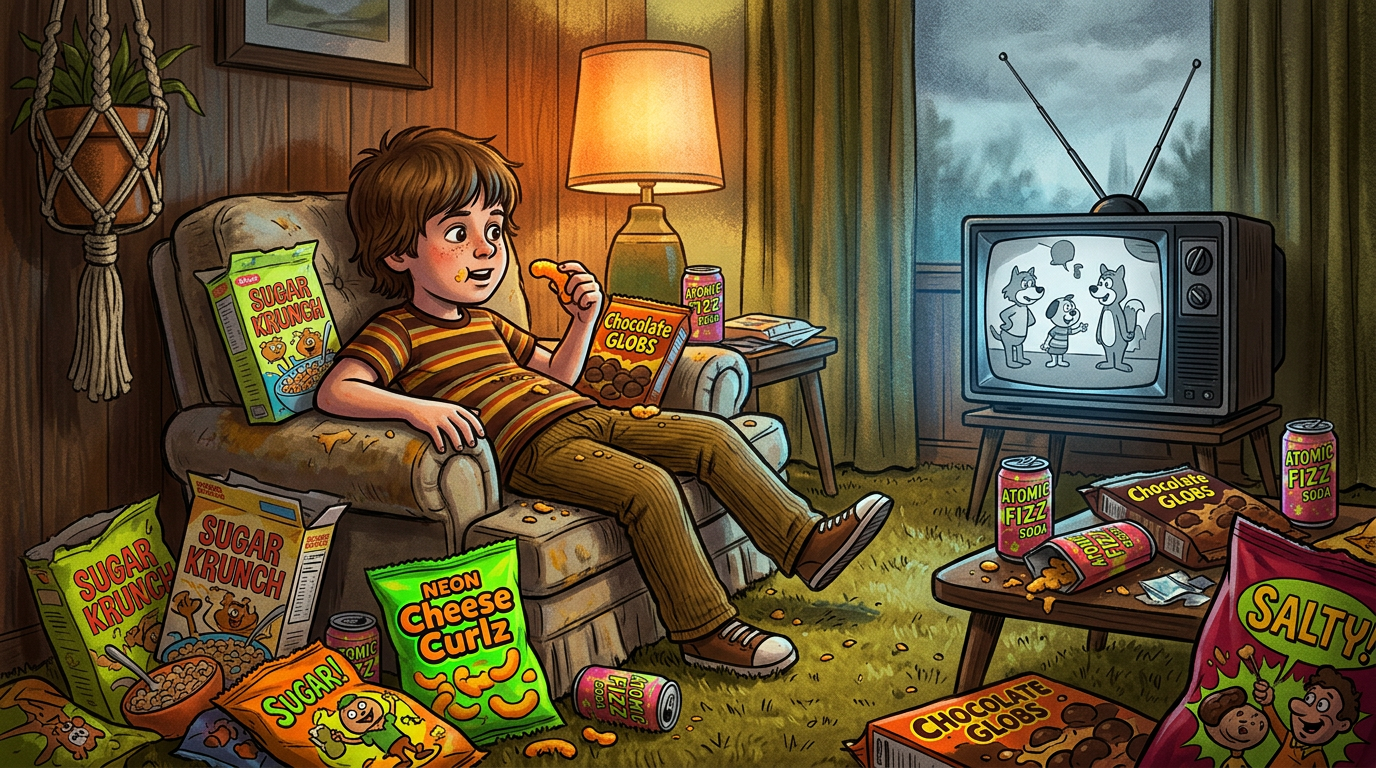
Many childhood snacks from past decades are remembered fondly for their bright colors, sugary flavors, and fun packaging. However, some of those nostalgic treats also contained ingredients that later became controversial due to health concerns, artificial additives, or manufacturing practices that would face much stricter scrutiny today.
Certain ingredients used in older snack foods—including trans fats, artificial dyes, and questionable preservatives—have since been linked to health concerns or removed from products entirely.
Fruit Roll-Ups with Artificial Dyes
Fruit Roll-Ups became a lunchbox favorite thanks to their bright colors and sugary fruit flavors.
Many older versions contained artificial food dyes such as Red 40, Yellow 5, and Blue 1, which later became controversial due to debates about possible behavioral effects and sensitivities in some children.
The snacks also contained large amounts of added sugar while offering relatively little actual fruit content.
Modern versions have adjusted ingredients somewhat, but older formulas reflected an era when highly processed snacks dominated grocery shelves.
Consumers today are often far more cautious about heavily dyed snack foods.
Microwave Popcorn with Butter Flavoring
Microwave popcorn was a staple after-school snack throughout the 1980s and 1990s.
Certain butter-flavored versions once contained diacetyl, a chemical associated with severe lung problems in factory workers exposed to large amounts during manufacturing.
While occasional consumer exposure was far lower, the controversy sparked major concern about artificial butter flavoring safety.
Additional concerns also emerged over chemical coatings used inside microwave popcorn bags.
Many manufacturers later reformulated products to remove or reduce controversial compounds.
Colored Candy with Synthetic Additives
Candy products marketed toward children often relied heavily on artificial coloring agents and preservatives.
Brightly colored candies from previous decades frequently contained additives that later faced increased regulatory review or consumer skepticism.
Some concerns centered on hyperactivity debates, while others involved long-term exposure to artificial compounds.
Common controversial ingredients in older candies included:
- Artificial food dyes
- Hydrogenated oils
- High-fructose corn syrup
- Synthetic preservatives
Although many candies remain on store shelves today, ingredient lists have changed significantly over time.
Toaster Pastries with Trans Fats
Toaster pastry were once loaded with partially hydrogenated oils, a major source of artificial trans fats.
Trans fats were widely used because they extended shelf life and improved texture, but research later linked them to increased cardiovascular disease risk.
Children growing up in the 1980s and 1990s often consumed these snacks regularly without realizing how heavily processed they were.
Modern regulations have sharply reduced trans fats in packaged foods, but older versions contained far higher levels than today’s products.
The nostalgic flavors remain popular, even though formulations have evolved substantially.
Cheese Crackers with Artificial Coloring
Cheese cracker were another lunchbox staple frequently made with synthetic dyes and processed oils.
Bright orange coloring often came from artificial additives designed to intensify appearance rather than improve nutrition.
Some products also contained preservatives and flavor enhancers now viewed less favorably by health-conscious consumers.
Although these crackers were never considered immediately dangerous, many nutrition experts now recommend limiting heavily processed snack foods high in sodium, additives, and refined carbohydrates.
Ingredient transparency has become far more important to modern consumers.
Sugary Breakfast Snack Cakes
Snack cake combined refined flour, artificial flavorings, preservatives, and large amounts of sugar into highly processed convenience foods.
These snacks became iconic in school lunches and vending machines because of their long shelf life and sweet taste.
However, many older formulations relied heavily on trans fats and artificial stabilizers that are now reduced or banned in several countries.
The combination of excessive sugar and ultra-processed ingredients also contributed to growing concerns about childhood nutrition during the late twentieth century.
Many classic snack cakes have since undergone reformulation to meet newer health standards.
Conclusion
Childhood snacks from previous decades reflected a very different era of food manufacturing, one where artificial additives, trans fats, and heavily processed ingredients were far more common than they are today. While these products were legal and widely consumed, changing nutrition science has reshaped how many people view them.
Modern reformulations and increased ingredient awareness show how consumer expectations around food safety and health continue evolving over time.




Leave a Reply