
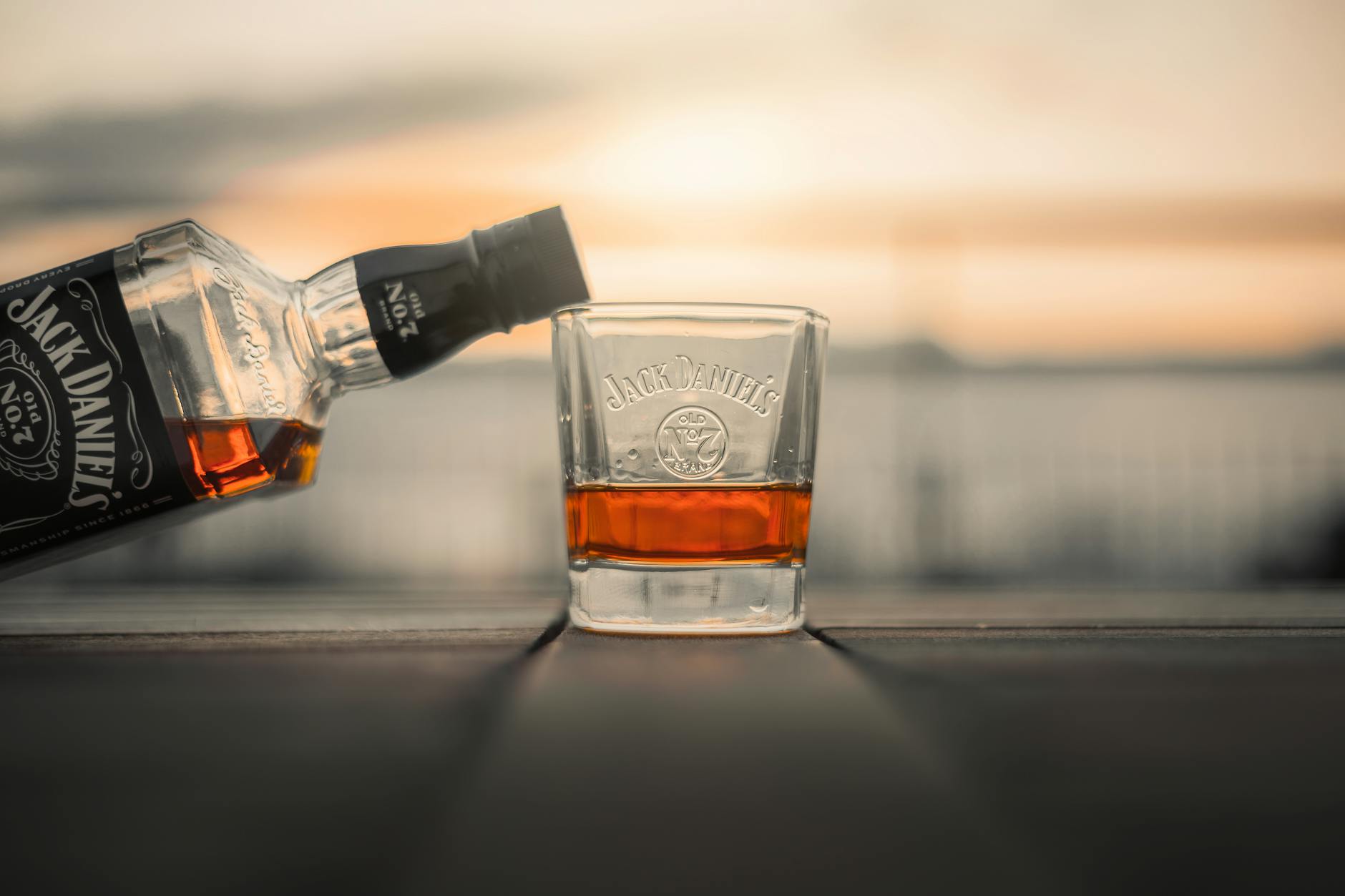
Whiskey is often judged by its rich amber or deep brown color, which many consumers instinctively associate with age, quality, and barrel maturation. However, not all that color is natural. In some cases, distillers use caramel coloring (often listed as E150a or spirit caramel) to standardize appearance across batches.
This practice is legal in many countries and does not necessarily indicate poor quality whiskey. However, it can create misleading expectations about aging and flavor intensity.
Johnnie Walker Red Label
Johnnie Walker Red Label is one of the most widely consumed blended Scotch whiskies in the world, known for its smoky, spicy profile and affordability.
To maintain consistent color across massive global production, caramel coloring is used in blending. This ensures every bottle looks the same regardless of barrel variation or maturation differences.
The addition of coloring does not directly affect alcohol strength, but it can influence visual perception. Many drinkers assume darker whiskey means longer aging, even though Red Label is relatively young compared to premium aged Scotch expressions.
Despite this, its flavor profile is designed for mixing rather than sipping neat, which aligns with its consistent mass-market presentation.
Jameson Irish Whiskey
Jameson Irish Whiskey is one of the most recognizable Irish whiskeys globally, known for its smooth and approachable character.
Like many large-scale blended whiskeys, Jameson uses spirit caramel (E150a) to maintain uniform color across production batches.
This ensures that bottles sold in different countries or at different times look identical on the shelf.
The whiskey itself is triple-distilled and aged in a combination of bourbon and sherry casks, which naturally contributes some color. However, the final shade is standardized with coloring agents for consistency.
Some whiskey enthusiasts argue this practice prioritizes visual uniformity over showcasing natural barrel variation.
Ballantine’s Finest
Ballantine’s Finest is a blended Scotch whiskey widely available in international markets and known for its smooth, light flavor profile.
To maintain consistent appearance across large-scale production, caramel coloring is added during blending.
Without it, variations in barrel aging and grain whiskey components could lead to noticeable color differences between batches.
The whiskey itself focuses on balance rather than heavy oak influence, which means its natural color may not always match consumer expectations of a darker Scotch.
Color adjustment helps ensure shelf consistency, especially in competitive global retail environments.
Grant’s Triple Wood Whisky
Grant’s Triple Wood Whisky is matured using a combination of bourbon, virgin oak, and refill casks, creating layered flavor complexity.
Even with this multi-cask aging approach, caramel coloring is used to standardize appearance across batches.
This is particularly important for blended whiskies that combine multiple grain and malt sources, each contributing different natural hues.
Without coloring, bottles could vary significantly in tone, which may affect consumer perception of consistency and quality.
The use of E150a helps ensure a uniform amber appearance regardless of barrel variation.
Teacher’s Highland Cream
Teacher’s Highland Cream is a blended Scotch whiskey known for its smoky character and strong malt presence relative to its price point.
To maintain consistent visual presentation, caramel coloring is added during production.
This ensures the whiskey retains a familiar deep amber tone across global markets.
Like many blended Scotch whiskies, Teacher’s aims for balance and consistency rather than showcasing single-barrel variation.
The coloring does not significantly alter flavor, but it does reinforce consumer expectations of a richer, more aged-looking spirit.
Why Caramel Coloring Is Used in Whiskey
Caramel coloring is one of the most common additives in mass-produced whiskey, especially in blended Scotch and Irish varieties. It is used primarily for aesthetic consistency rather than flavor enhancement.
A few key reasons distillers use coloring include:
- Batch-to-batch visual consistency
- Shelf appeal in retail environments
- Masking natural barrel variation
- Maintaining brand identity across markets
- Meeting consumer expectations of “aged” appearance
While some premium whiskeys avoid coloring entirely, many large-scale brands continue using it due to global production demands.
Whiskey color can be misleading, especially for consumers who associate darker liquid with superior quality or longer aging. In reality, many widely consumed brands use caramel coloring to ensure consistency across millions of bottles. Understanding this practice helps drinkers make more informed choices and appreciate whiskey based on flavor, craftsmanship, and aging process rather than appearance alone.


Leave a Reply