
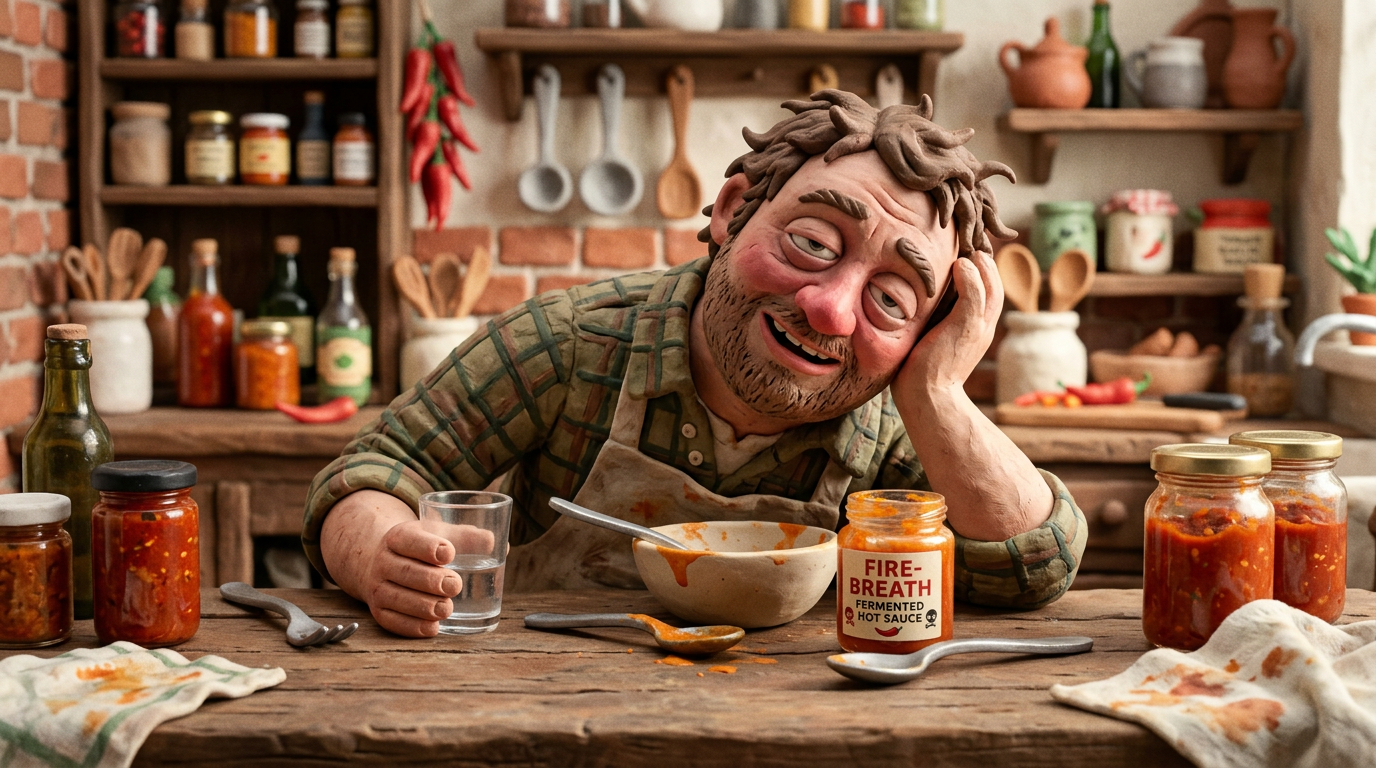
Many people associate fermentation with beverages like beer or wine, but certain sauces can also develop trace amounts of alcohol over time. This happens because natural yeasts and bacteria break down sugars during fermentation, producing ethanol as a byproduct.
In most cases, the alcohol content remains very low and is considered harmless for typical culinary use. However, the process explains why some sauces develop stronger aromas, tangier flavors, or fizzy textures as they age.
Fermentation has been used for centuries to preserve foods and deepen flavor complexity. Here are five sauces that can gradually become mildly alcoholic through natural fermentation processes.
Soy Sauce
Soy sauce is one of the world’s most famous fermented sauces and naturally develops small amounts of alcohol during production and aging.
Traditional soy sauce is made by fermenting soybeans and wheat with molds, yeast, and bacteria over extended periods. During this process, microorganisms convert sugars into various compounds, including trace ethanol.
The fermentation contributes to soy sauce’s deep umami flavor and rich aroma. Longer-aged soy sauces often develop more complex notes due to continued microbial activity.
Although the alcohol content is usually low, sensitive individuals may still notice faint alcoholic characteristics in certain traditionally brewed varieties.
Fish Sauce
Fish sauce is produced by fermenting fish with salt for months or even years.
As proteins break down and natural fermentation occurs, small amounts of alcohol can form alongside the sauce’s signature savory compounds.
Fish sauce is especially valued in Southeast Asian cuisine because fermentation creates intense umami depth that cannot be replicated through quick processing methods.
Over time, aging can also slightly alter aroma and flavor intensity, giving older fish sauces more complexity.
The fermentation process is essential to the sauce’s identity and preservation.
Hot Sauce with Active Fermentation
Hot sauce made through traditional fermentation can slowly produce alcohol as peppers and sugars ferment.
Many artisan hot sauces rely on lacto-fermentation, where beneficial bacteria break down sugars in peppers and other ingredients. Natural yeasts may also contribute to low ethanol formation.
Some fermented hot sauces continue developing after bottling if unpasteurized, occasionally causing slight fizzing or pressure buildup.
Common signs of active sauce fermentation include:
- Bubbling or carbonation
- Tangier flavor development
- Slightly yeasty aroma
- Increased acidity over time
These changes are usually harmless but indicate ongoing microbial activity.
Worcestershire Sauce
Worcestershire sauce undergoes a long aging and fermentation process involving ingredients like anchovies, vinegar, molasses, tamarind, and spices.
During production, natural fermentation helps develop its distinctive tangy, savory flavor profile. Small amounts of alcohol may form as sugars break down over time.
Because Worcestershire sauce contains multiple fermented ingredients, it develops a layered flavor complexity that becomes more pronounced with aging.
Its long shelf life and stable acidity usually prevent excessive alcohol formation, but trace amounts can still exist naturally.
This slow fermentation is part of what gives the sauce its signature depth.
Oyster Sauce
Oyster sauce can also develop trace alcohol content, especially in traditionally fermented versions.
While many commercial oyster sauces are cooked and stabilized, older traditional methods relied more heavily on natural fermentation during preparation.
The breakdown of sugars and proteins over time can contribute to mild ethanol production alongside the sauce’s rich umami flavor.
Fermented seafood-based sauces often develop stronger aromas as they age because of continuing microbial and enzymatic reactions.
Modern commercial processing usually minimizes ongoing fermentation after bottling, but artisanal products may continue evolving subtly during storage.
Why Fermentation Creates Alcohol
Alcohol forms during fermentation because yeast and certain microorganisms consume sugars and convert them into ethanol and carbon dioxide.
This process occurs naturally in many fermented foods and sauces, though the resulting alcohol levels are typically much lower than alcoholic beverages.
Several factors influence alcohol formation in sauces:
- Sugar content
- Presence of yeast
- Storage temperature
- Fermentation length
- Pasteurization methods
Proper refrigeration and sealed storage help slow continued fermentation in opened sauces.
Conclusion
Fermented sauces are prized around the world for their depth, complexity, and preservation qualities. In many cases, the same natural microbial activity that creates rich umami flavor can also generate trace amounts of alcohol over time.
While these levels are generally very low, they demonstrate the fascinating science behind fermentation and how traditional food preparation methods continue influencing modern cuisine.


Leave a Reply