
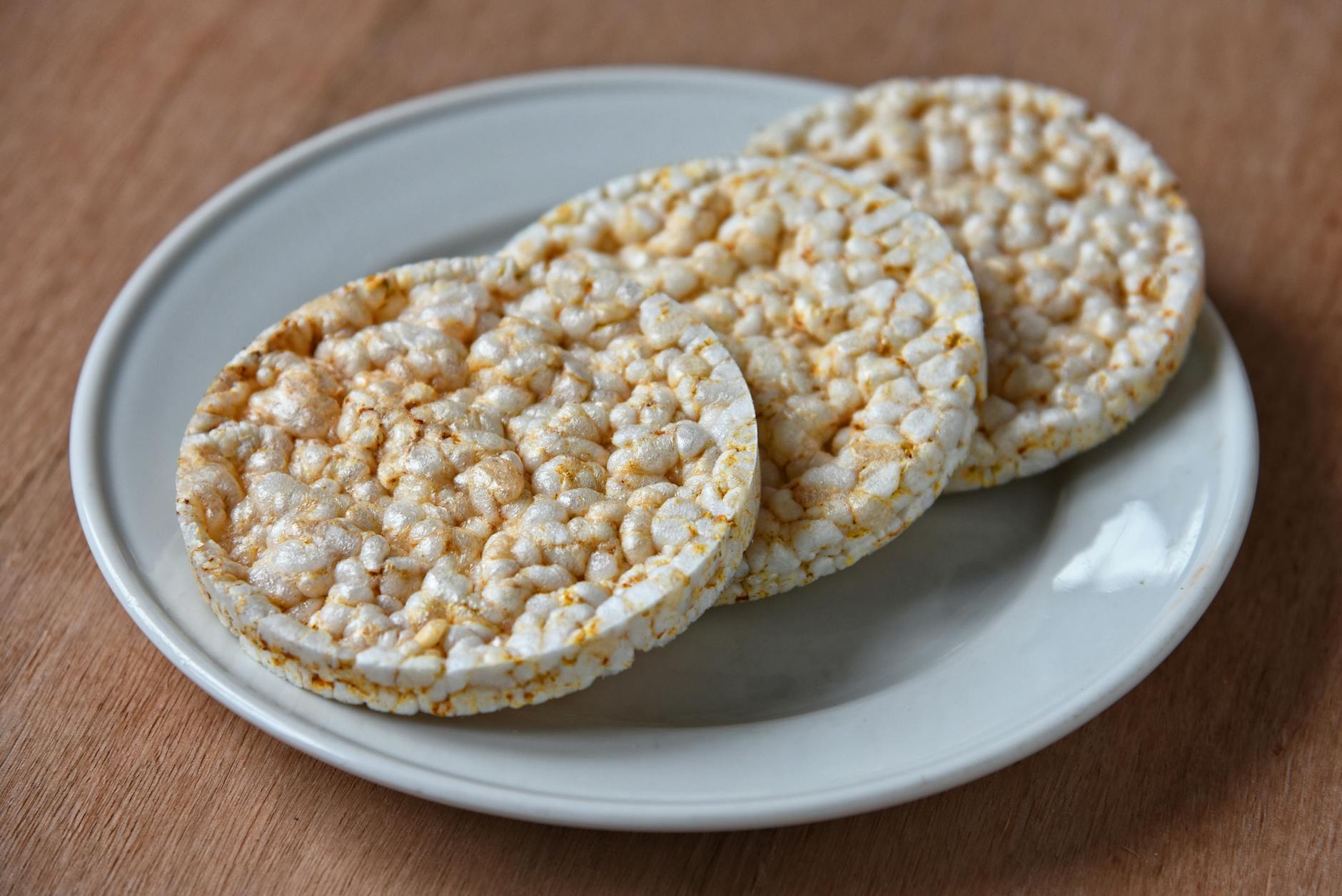
Rice cakes have long been marketed as a healthier alternative to chips and crackers. Low in calories and easy to snack on, they became especially popular among dieters and health-conscious consumers during the 1980s and 1990s.
However, not all rice cakes are as harmless as their healthy reputation suggests. Some products have been linked to contamination recalls, elevated arsenic concerns, allergy risks, and blood sugar spikes that raised concerns among nutrition experts and regulators alike.
Quaker Rice Crisps
Quaker rice crisps and rice cakes have occasionally been part of broader conversations surrounding arsenic exposure in rice-based foods.
Rice naturally absorbs more inorganic arsenic from soil and water than many other crops. Long-term exposure to elevated arsenic levels has been associated with increased risks of cardiovascular disease, certain cancers, and developmental problems.
Consumer advocacy groups have repeatedly warned that heavily rice-based diets may increase arsenic exposure, particularly for children who frequently consume rice snacks.
Although Quaker products themselves have not been singled out as uniquely dangerous compared to competitors, their popularity makes them part of the wider discussion around rice-based processed foods.
Experts generally recommend moderation and dietary variety rather than relying heavily on rice cakes as a daily “health food.”
Lundberg Family Farms Rice Cakes
Lundberg Family Farms has often marketed its products as organic and environmentally conscious, but even organic rice products remain vulnerable to naturally occurring arsenic contamination.
Research has shown brown rice products may sometimes contain higher arsenic levels than white rice because arsenic accumulates in the outer layers of the grain.
Since many health-focused consumers intentionally choose brown rice cakes believing they are automatically safer, the findings surprised many nutrition-conscious shoppers.
Potential concerns linked to excessive rice cake consumption include:
- Increased inorganic arsenic exposure
- Rapid blood sugar spikes
- Poor satiety leading to overeating
- Hidden sodium in flavored varieties
- Allergen cross-contamination risks
Nutritionists often recommend balancing rice snacks with protein, fiber, and non-rice grains to reduce potential long-term concerns.
Trader Joe’s Rice Cake Products
Trader Joe’s has sold multiple rice-based snack products over the years, including flavored rice cakes and puffed rice snacks.
Like many retailers, the company has occasionally faced recalls involving allergen labeling concerns or potential contamination issues tied to outside suppliers.
Undeclared allergens represent a particularly serious risk because consumers with severe allergies may unknowingly consume dangerous ingredients.
Rice cakes are sometimes perceived as safer for sensitive eaters because they appear simple and minimally processed. However, flavored versions may contain milk powders, soy ingredients, seasonings, or manufacturing cross-contact risks.
Health experts also point out that flavored rice cakes can contain surprisingly high sodium and added sugar levels despite their “light” image.
Sweetened caramel or chocolate-coated varieties may function more like processed snack foods than true health products.
Element Snacks Rice Cakes
Element Snacks gained attention for producing flavored rice cakes marketed toward health-conscious consumers, but the broader rice cake category still faces criticism over glycemic impact.
Rice cakes digest very quickly because of their puffed structure and refined carbohydrate content. That can lead to rapid blood sugar spikes, especially when eaten alone without protein or fat.
For individuals with diabetes or insulin resistance, frequent consumption of highly processed rice snacks may contribute to unstable glucose levels.
Some dietitians argue rice cakes create a misleading “healthy” image because their low calorie count masks how nutritionally limited they can be.
While rice cakes are not inherently dangerous for most people in moderation, relying on them heavily as meal replacements or constant snacks may create nutritional imbalances over time.
Consumers increasingly seek rice cakes with added seeds, quinoa, or fiber blends to offset these concerns.
Fit & Active Rice Snacks
Fit & Active rice cakes and similar diet-focused products became popular partly because they were marketed as guilt-free alternatives to traditional snack foods.
However, some experts now question whether ultra-light snacks actually promote healthier eating habits long term.
Because rice cakes are often low in protein and fiber, they may leave consumers unsatisfied and more likely to continue snacking shortly afterward.
Highly flavored versions can also contain artificial sweeteners, sodium, or processed coatings that undermine their healthy reputation.
Another issue involves contamination concerns tied to storage and packaging. Improperly sealed rice cakes may become vulnerable to mold growth or spoilage, especially in humid conditions.
Consumers should always check expiration dates carefully and avoid products with damaged packaging or stale odors.
Modern nutrition advice increasingly emphasizes whole foods and balanced snacks rather than heavily processed “diet foods” marketed primarily around low calorie counts.
Rice cakes are not automatically unhealthy, but their reputation as a perfect health snack has become more controversial in recent years. Concerns surrounding arsenic exposure, blood sugar spikes, contamination risks, and nutritional limitations have prompted many consumers to rethink how often they rely on rice-based snacks. Moderation, ingredient awareness, and dietary variety remain the best strategies for enjoying rice cakes without turning them into a daily dietary staple.



Leave a Reply