
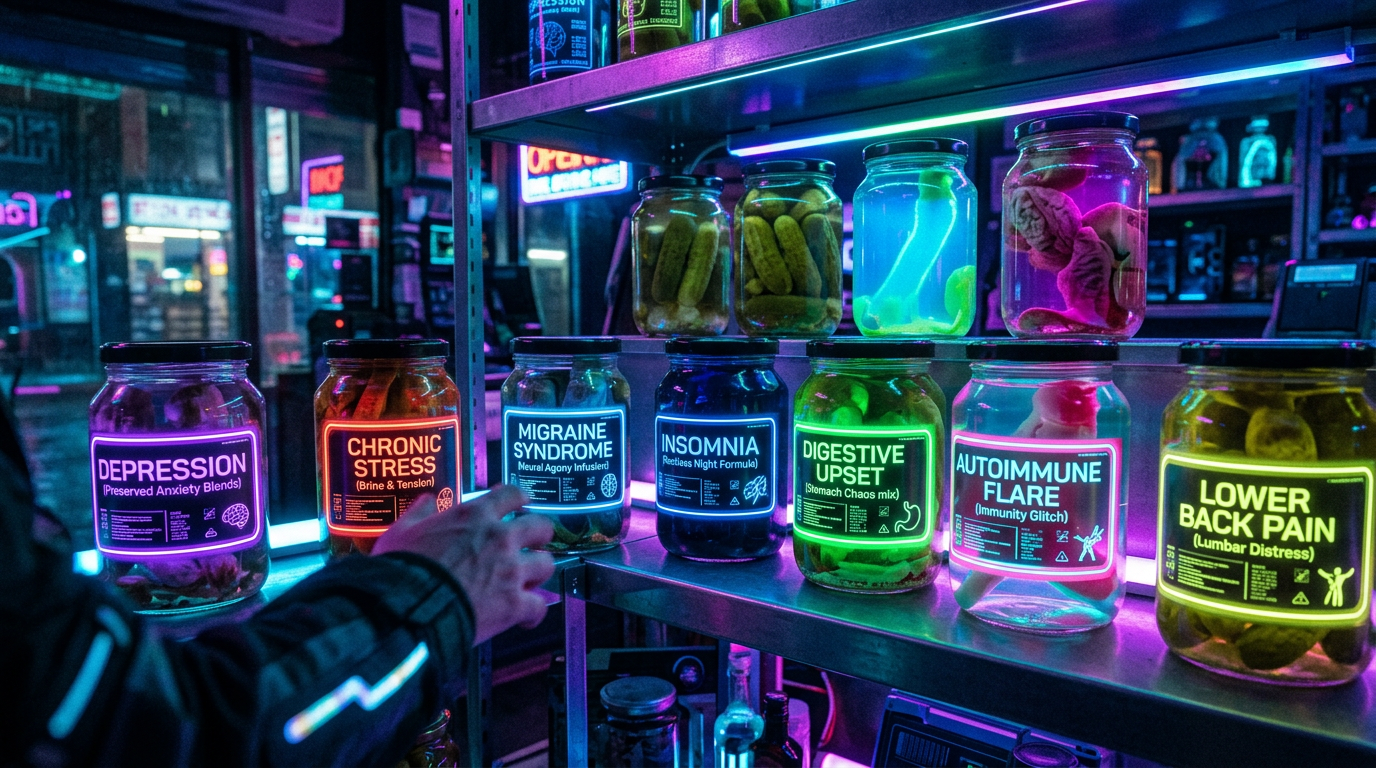
Pickles are often viewed as a relatively harmless snack. They are low in calories, packed with tangy flavor, and commonly served alongside burgers, sandwiches, and fried foods. Some fermented pickles even contain probiotics that may support gut health.
However, not every pickle product deserves a healthy reputation. Certain varieties have been linked to health concerns involving sodium overload, contamination risks, artificial additives, and digestive problems when consumed excessively. Here are five kinds of pickles that have raised concerns among nutrition experts and health researchers.
Vlasic Kosher Dill Pickles
Kosher dill pickles remain one of America’s most popular pickle varieties, but their sodium levels can become problematic when eaten frequently.
Many commercially produced dill pickles contain hundreds of milligrams of sodium per serving. Eating multiple spears alongside already salty meals can quickly push consumers far beyond recommended daily sodium limits.
Excessive sodium intake has long been associated with elevated blood pressure and increased cardiovascular risks in some individuals.
The issue becomes especially concerning because pickles are often consumed with foods like burgers, deli meats, fries, and chips that already contain significant sodium.
While occasional pickle consumption is unlikely to cause serious problems for healthy individuals, regular overeating may contribute to long-term dietary imbalances.
Mt. Olive Sweet Pickles
Sweet pickles may taste milder than sour dill varieties, but they often contain surprisingly high sugar levels.
Some sweet pickle products are loaded with added sugars and corn syrup to create their signature flavor. That combination can transform what seems like a light condiment into a hidden source of excess sugar.
Consumers with diabetes or blood sugar concerns may need to monitor sweet pickle intake more carefully than they realize.
A few pickle-related concerns nutrition experts commonly mention include:
- Extremely high sodium content
- Added sugars and syrups
- Artificial coloring agents
- Digestive irritation
- Risk of contamination in improperly fermented products
Sweet pickles can also encourage overeating because the sugary flavor feels less intense than highly salty dill versions.
Many consumers mistakenly assume all pickles are equally healthy simply because they are cucumber-based.
Bubbies Naturally Fermented Pickles
Fermented pickles are often praised for probiotic benefits, but improperly handled fermented foods can occasionally create health risks.
Products requiring refrigeration must remain consistently cold to reduce contamination concerns. If fermentation becomes uncontrolled or storage temperatures fluctuate too dramatically, harmful bacteria or mold growth may occur.
Although reputable brands like Bubbies follow strict safety procedures, home fermentation and improperly stored fermented pickles remain riskier.
Some individuals also experience bloating, gas, or digestive discomfort after eating large amounts of fermented foods.
Histamine sensitivity can create additional issues for certain consumers. Fermented products naturally contain histamines that may trigger headaches, flushing, or digestive symptoms in sensitive individuals.
Fermented pickles can absolutely fit into healthy diets, but moderation and proper storage remain important.
Claussen Refrigerated Pickles
Refrigerated pickles are often marketed as fresher and crunchier than shelf-stable varieties, but they can become vulnerable to spoilage more quickly if mishandled.
Once opened, refrigerated pickles require consistent cold storage to maintain quality and safety. Leaving jars out too long may increase bacterial growth risks.
Consumers sometimes overlook warning signs because pickles are naturally sour and salty already. That can make spoilage harder to detect compared to other foods.
Some refrigerated pickle products also contain preservatives, stabilizers, and artificial flavorings despite their “fresh” image.
People with sensitive stomachs may experience acid reflux or digestive irritation from highly acidic pickle brines, particularly when consumed in large quantities.
The acidity that gives pickles their signature flavor can become uncomfortable for individuals prone to heartburn or gastrointestinal issues.
Best Maid Pickle Pouches And Flavored Pickles
Flavored pickle products have exploded in popularity, especially among younger consumers seeking spicy or novelty snacks.
Pickle pouches featuring extreme sourness, heavy spice blends, or bright artificial colors often contain elevated sodium and additive levels compared to traditional pickles.
Some flavored varieties include ingredients like artificial dyes, preservatives, or excessive chili seasoning that may irritate digestion in sensitive individuals.
Spicy pickle products have also become popular on social media challenges where people consume large quantities quickly.
That combination of sodium, acid, and spice can sometimes contribute to stomach discomfort, dehydration, or temporary blood pressure spikes.
Nutritionists generally recommend treating heavily flavored pickle snacks more like processed junk food than simple vegetables.
The intense seasoning can easily distract consumers from how much sodium and acidity they are actually consuming.
Pickles can still be part of a balanced diet, but not every jar is as harmless as it appears. High sodium levels, added sugars, digestive irritation, and fermentation-related concerns have caused some pickle products to face growing criticism from health experts. Paying attention to ingredient labels, portion sizes, and storage conditions can help consumers enjoy pickles more safely without turning a simple snack into a long-term dietary problem.



Leave a Reply