
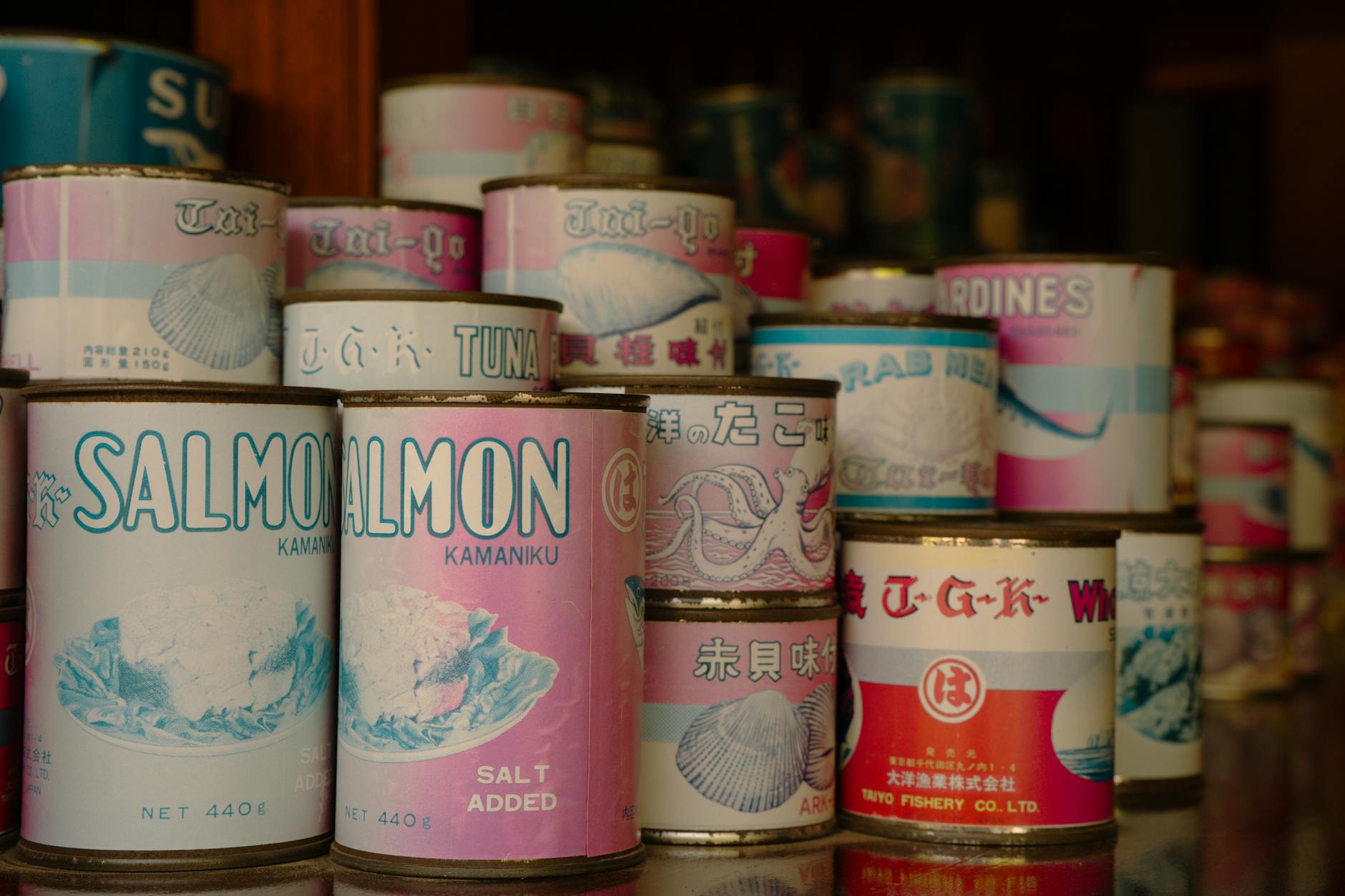
Canned foods are often praised for their long shelf life, making them popular pantry staples during emergencies and busy weeks alike. However, many people mistakenly assume canned goods remain safe forever simply because they are sealed.
While properly stored canned foods can last a long time, certain products become increasingly dangerous after expiration dates pass or when cans become damaged. In some cases, bacterial growth, corrosion, and chemical breakdowns can create potentially life-threatening risks.
Canned Tuna
Canned tuna is one of the most common pantry foods in America, but expired cans can become dangerous if the seal weakens over time.
Once a can’s integrity is compromised, bacteria may begin growing inside the low-oxygen environment. That creates a serious risk of foodborne illness, particularly from dangerous bacteria like Clostridium botulinum.
Botulism is rare but potentially fatal. Symptoms can include blurred vision, muscle weakness, difficulty swallowing, and paralysis.
Tuna also contains natural oils that can degrade over time, especially when cans are stored in warm environments like garages or hot kitchens.
Consumers should immediately discard tuna cans that appear swollen, dented near seams, rusted, or leaking. Even slight bulging can indicate gas buildup from bacterial activity inside the container.
Canned Green Beans
Low-acid vegetables like canned green beans are among the highest-risk canned foods when expiration dates are ignored.
Because green beans have relatively low acidity, they provide an environment where botulism bacteria can grow more easily if the canning process fails or the seal breaks down over time.
Home-canned green beans are especially risky because improper sterilization procedures dramatically increase contamination chances.
Some warning signs that canned foods may no longer be safe include:
- Bulging or swollen cans
- Leaking liquid
- Rust around seams
- Foul or sour odors
- Spurting liquid when opened
Experts strongly advise never tasting suspicious canned foods to “check” if they are safe.
Even a tiny amount of botulinum toxin can cause severe illness or death.
Canned Tomatoes
Canned tomatoes may seem less dangerous because of their acidity, but expired products can still pose serious risks.
Tomatoes naturally contain acid that slowly reacts with metal can linings over time. Once expiration dates pass significantly, the protective lining inside cans may begin deteriorating.
That process can affect both flavor and safety.
In older cans, chemical leaching from damaged linings becomes a greater concern, especially if the cans were exposed to heat or humidity during storage.
Acidic canned foods also tend to lose quality faster than low-acid products. Texture, color, and flavor may degrade long before consumers notice visible spoilage.
Brands such as Hunt’s and Del Monte recommend using canned tomatoes within recommended storage windows for best safety and quality.
Consumers should avoid eating canned tomatoes from heavily dented or corroded containers even if the expiration date has not yet passed.
Canned Chili
Canned chili combines multiple high-risk ingredients, including meat, beans, oils, and moisture-rich sauces.
Products containing meat become especially concerning after expiration because bacteria can multiply rapidly if seals weaken or storage temperatures fluctuate.
Improperly stored canned chili can potentially develop botulism contamination without obvious warning signs. In some cases, contaminated food may smell and look completely normal.
The heavy protein and fat content in chili also increases the risk of spoilage-related flavor breakdown over time.
Popular canned chili brands like Hormel and Wolf Brand Chili generally maintain long shelf lives, but experts still caution against consuming products far beyond expiration dates.
Consumers should be especially cautious with cans stored in flooded basements, garages, or outdoor sheds where temperature swings accelerate deterioration.
Canned Soup
Canned soup remains a pantry essential for millions of households, but expired soups can become dangerous depending on the ingredients involved.
Cream-based soups and meat-heavy varieties carry greater risks because fats and proteins degrade over time. If bacteria enter compromised cans, the moist environment becomes ideal for growth.
Soups containing potatoes, pasta, dairy, or meat often spoil faster than simple broth-based products.
Companies like Campbell’s and Progresso stamp expiration or “best by” dates to help consumers track peak safety and quality periods.
One major problem is that some people confuse “best by” dates with absolute spoilage deadlines. While foods may remain safe slightly beyond those dates, significantly expired canned soups become riskier the longer they sit.
Storage conditions matter enormously as well. Heat exposure can accelerate bacterial growth and weaken can seals much faster than consumers realize.
Canned foods can remain safe for surprisingly long periods when stored correctly, but they are not immune to spoilage or dangerous contamination. Low-acid foods, meat products, and damaged cans present the greatest risks, especially when expiration dates are ignored. Paying attention to swelling, rust, leaks, and unusual odors can help prevent serious illness and ensure pantry staples remain safe to eat.


Leave a Reply