
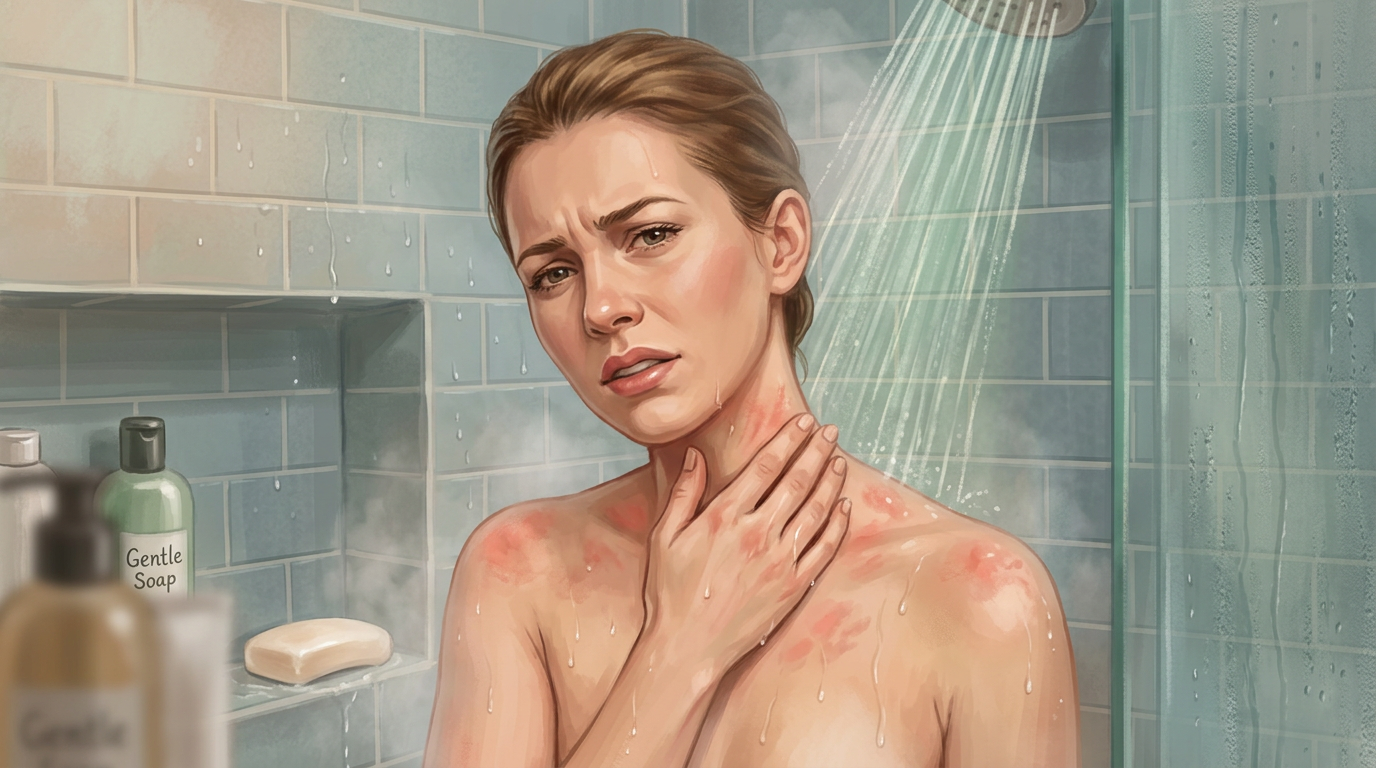
Soap is supposed to help keep skin clean and healthy, but not every bar soap is as gentle as consumers assume. Some products have faced criticism over harsh detergents, allergenic fragrances, contamination recalls, antibacterial chemicals, and ingredients linked to irritation or long-term health concerns.
That does not necessarily mean every soap on this list is inherently dangerous for all users. However, dermatologists and consumer advocates have repeatedly raised concerns about certain ingredients or formulations that may contribute to skin problems, allergic reactions, or other health issues when used excessively or by sensitive individuals.
Dial Antibacterial Soap Bars
Dial antibacterial soaps became controversial during debates surrounding triclosan, an antibacterial chemical once commonly used in personal care products.
Regulators eventually restricted triclosan in many antibacterial washes after concerns emerged about possible hormone disruption and antibiotic resistance.
Although formulations have changed over time, older antibacterial soaps sparked widespread scrutiny among health experts.
Highly antibacterial products may also disrupt healthy skin bacteria when used excessively, potentially contributing to dryness and irritation.
Irish Spring Original Clean Bars
Irish Spring soaps remain popular for their strong scent and aggressive cleansing power, but many users report excessive dryness after regular use.
The soap contains powerful detergents and fragrance compounds that can strip natural oils from sensitive skin.
People with eczema, psoriasis, or naturally dry skin may experience itching, flaking, or irritation after frequent use.
Strongly fragranced soaps also increase the risk of fragrance-related allergic reactions in some individuals.
Zest Aqua Bars
Zest bars became famous for their “soap-free” marketing decades ago, but some dermatologists still criticize heavily deodorizing soaps for overly harsh cleansing agents.
Products designed to remove oil aggressively may damage the skin barrier over time when used repeatedly.
Barrier damage can contribute to redness, dryness, irritation, and increased skin sensitivity.
A few soap ingredients and concerns commonly flagged by dermatologists include:
- Artificial fragrances
- Harsh sulfates
- Triclosan
- Formaldehyde-releasing preservatives
- Strong dyes and colorants
Consumers with sensitive skin often benefit from simpler fragrance-free formulas instead.
Safeguard Antibacterial Bars
Safeguard antibacterial soaps faced similar scrutiny during the broader antibacterial soap controversy.
Some experts argued antibacterial consumer soaps provided little additional benefit compared to regular soap and water for ordinary handwashing.
Meanwhile, concerns grew regarding skin irritation and overuse of antibacterial chemicals.
Frequent use of strong antibacterial bars may also worsen dryness and cracking, especially during winter months or in low-humidity environments.
Damaged skin barriers can become more vulnerable to irritation and infection.
Coast Classic Scent Bars
Coast soap is known for its powerful scent and cooling sensation, but heavily fragranced soaps can trigger skin reactions in sensitive individuals.
Artificial fragrance mixtures sometimes contain dozens of chemical compounds that manufacturers are not required to disclose individually.
For people with fragrance allergies, these products may contribute to itching, redness, headaches, or contact dermatitis.
The strong cooling agents used in some deodorizing soaps may also irritate already compromised skin.
Lever 2000 Original Soap Bars
Lever 2000 markets itself as a deodorizing soap with moisturizing benefits, but some users still report irritation from fragrance and cleansing agents.
Highly perfumed soaps may linger on skin longer than gentler fragrance-free products.
That extended fragrance exposure can create problems for individuals prone to allergic reactions or sensitive skin conditions.
Repeated use may become especially problematic when combined with hot showers or aggressive scrubbing.
Caress Daily Silk Bars
Caress beauty bars focus heavily on perfume-like scents and exfoliating textures.
While many consumers enjoy the luxurious fragrance, dermatologists often warn that exfoliating particles combined with fragrance may irritate sensitive skin.
Over-exfoliation can weaken the skin barrier and increase redness or inflammation.
Highly scented soaps also remain one of the leading triggers for cosmetic-related contact allergies.
Yardley London Lavender Soap Bars
Lavender soaps are often marketed as calming and natural, but essential oils can still trigger allergic reactions in some users.
Lavender oil contains fragrance compounds that may irritate sensitive skin despite its natural image.
Consumers sometimes assume plant-based automatically means safer, which is not always true for allergy-prone individuals.
Essential oil-heavy soaps may also worsen irritation on broken or inflamed skin.
Dr. Squatch Heavy Grit Soap Bars
Exfoliating “grit” soaps have become trendy, especially among men’s grooming brands.
Some heavily textured bars contain abrasive ingredients like pumice, sand, or walnut shell powder.
Overuse may create microtears in sensitive skin or worsen irritation in people with eczema.
Aggressive scrubbing combined with strong fragrance can amplify discomfort further.
Dove Deep Moisture Bars
Dove bars are generally considered gentler than many competitors, but even mild products can create problems for certain users.
Some individuals react negatively to preservatives, fragrance ingredients, or moisturizing additives found in beauty bars.
Skin sensitivity varies dramatically between individuals, which explains why one product may work perfectly for some people while irritating others.
Patch testing new soaps can help reduce unexpected reactions.
Additional Soap Bars Frequently Criticized By Sensitive-Skin Experts
Several other popular soaps have also faced criticism from dermatologists or sensitive-skin consumers over irritation concerns, fragrance intensity, or harsh cleansing ingredients. These include:
- Old Spice bar soaps
- Suave cleansing bars
- Nubian Heritage heavily fragranced soaps
- Defense Soap tea tree oil bars
- Cetaphil antibacterial cleansing bars
- Kirk’s castile soap bars
- Tom’s of Maine natural soap bars
- Lume acidified cleansing bars
- Crate 61 essential oil soaps
The concerns vary widely depending on ingredients, individual allergies, and usage frequency.
Soap reactions are highly personal, which means products tolerated well by one person may irritate another severely.
Most bar soaps are perfectly safe for the average consumer when used appropriately, but certain ingredients and formulations can create problems for sensitive individuals. Fragrance compounds, antibacterial chemicals, harsh detergents, and aggressive exfoliants have all been linked to skin irritation or broader health concerns over the years. Reading ingredient labels carefully and choosing gentler formulas when necessary can help reduce the risk of unwanted reactions.



Leave a Reply