
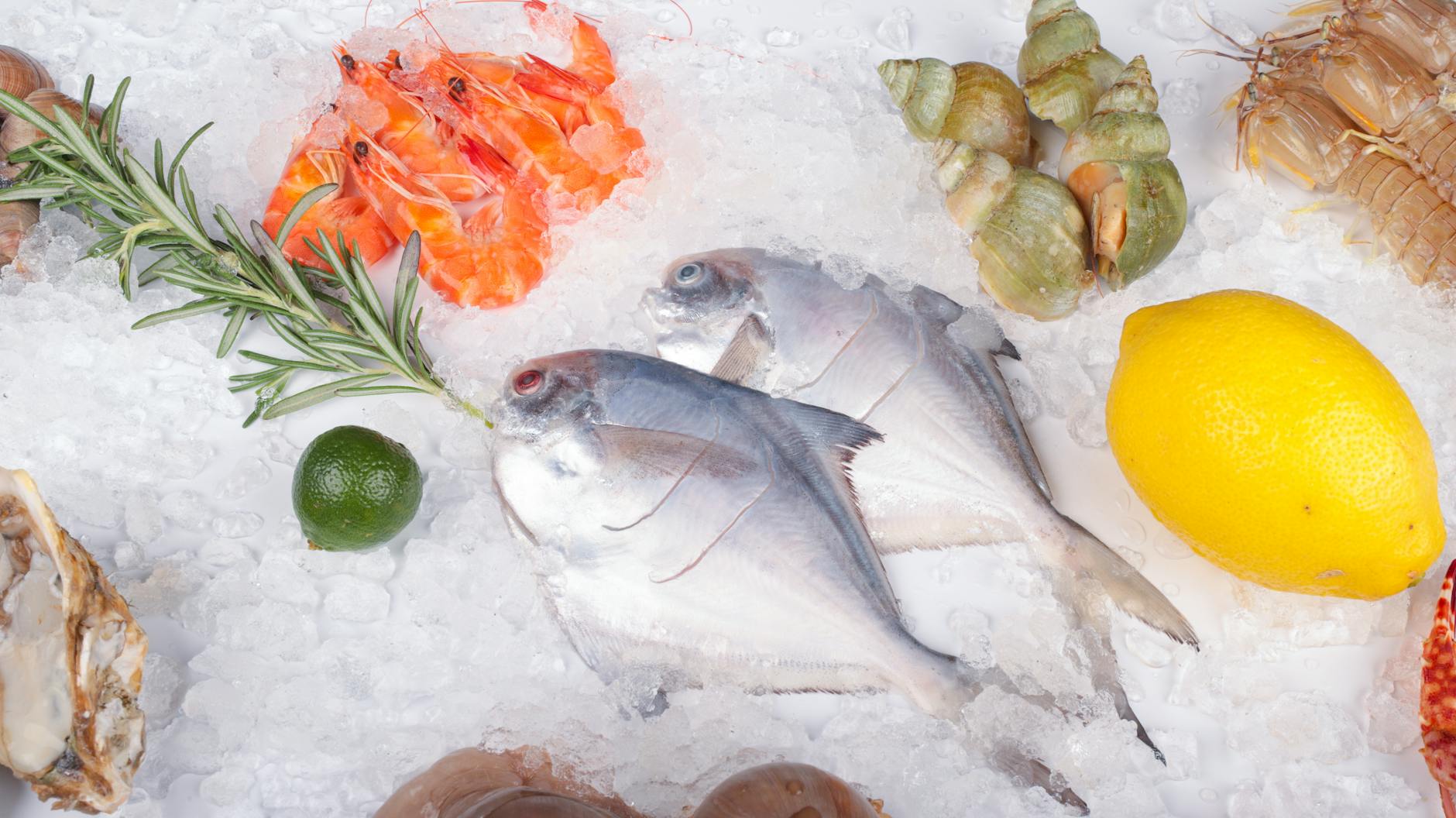
Frozen seafood can be a convenient way to add protein and omega-3 fats to your diet, but not every option in the freezer aisle is equally healthy. Some frozen seafood products have raised concerns among researchers and consumer advocates because of contaminants, processing chemicals, heavy metals, or cooking methods associated with elevated cancer risks over time.
Gorton’s Fried Fish Fillets
Breaded frozen fish fillets may seem harmless, but heavily processed fried seafood can contain compounds formed during high-temperature cooking.
When breaded foods are pre-fried industrially, they may develop acrylamides and advanced glycation end products, both of which have been studied for potential links to increased cancer risk.
Many frozen fried fish products also contain high sodium levels, preservatives, and refined oils that nutrition experts recommend limiting.
The issue becomes more concerning when these products are eaten regularly instead of occasionally.
SeaPak Breaded Shrimp
Frozen breaded shrimp products often combine several risk factors in one package: deep frying, refined carbohydrates, preservatives, and high sodium content.
Some shrimp imported from overseas have also faced scrutiny over antibiotic residues and environmental contaminants.
While regulatory agencies monitor imported seafood carefully, consumer watchdog groups continue raising concerns about long-term exposure to certain contaminants found in poorly regulated aquaculture systems.
A few seafood-related concerns researchers commonly monitor include:
- Mercury contamination
- PFAS “forever chemicals”
- Industrial pollutants
- Microplastics
- Chemical preservatives
Occasional consumption is unlikely to create major problems for most people, but repeated exposure over many years may increase health concerns.
High Liner Foods Frozen Fish Sticks
Fish sticks remain a childhood freezer staple, but some nutrition experts criticize them for containing more processed breading and fillers than actual seafood.
Highly processed frozen seafood products sometimes contain additives and oxidized oils that may contribute to inflammation when consumed excessively.
Certain studies have also linked diets heavy in ultra-processed foods to elevated risks of several chronic diseases, including some cancers.
Fish itself is not the problem. In many cases, it is the industrial processing, frying oils, sodium, and preservatives surrounding the seafood that raise concerns.
Consumers looking for healthier options often choose minimally processed frozen fish instead.
Trader Joe’s Frozen Tuna Products
Tuna naturally contains mercury, a heavy metal that accumulates in larger predatory fish over time.
Frozen tuna burgers, tuna steaks, and prepared tuna meals sold by various retailers, including Trader Joe’s, have occasionally sparked warnings from consumer groups urging moderation.
Although mercury exposure is more commonly associated with neurological concerns, some research has explored possible links between heavy metal exposure and increased cancer risk through oxidative stress and cellular damage.
Large tuna species generally contain more mercury than smaller seafood varieties like sardines or salmon.
Health experts often recommend limiting high-mercury seafood intake, especially for pregnant women and children.
Mrs. Paul’s Frozen Fried Seafood
Frozen fried seafood platters often contain fish, shrimp, crab cakes, and breaded shellfish loaded with sodium and industrial frying oils.
Repeated exposure to heavily fried foods has long concerned researchers because high-temperature frying can generate potentially carcinogenic compounds.
Many frozen seafood meals also contain artificial flavorings, stabilizers, and preservatives designed to extend shelf life.
Consumers sometimes assume seafood automatically equals healthy eating, but preparation methods matter enormously.
Baked or lightly seasoned frozen seafood generally carries fewer concerns than heavily fried alternatives.
Van de Kamp’s Breaded Fish Sandwiches
Frozen fish sandwiches combine processed bread, fried seafood, preservatives, and sauces into a single ultra-processed meal.
Nutrition researchers increasingly warn that diets dominated by ultra-processed foods may contribute to inflammation, obesity, and higher long-term disease risks.
Some frozen fish sandwiches also contain partially hydrogenated oils or lower-quality fats depending on the product formulation.
The seafood itself may still provide protein and omega-3s, but those benefits can become overshadowed by excessive processing.
Consumers should carefully check labels for sodium, additives, and ingredient quality before assuming a seafood product is automatically healthy.
Aqua Star Frozen Farmed Shrimp
Farmed shrimp remains controversial because some overseas farming operations have faced criticism over chemical usage and polluted farming environments.
Investigations into imported shrimp have occasionally identified traces of banned antibiotics or contaminants in certain shipments.
Long-term exposure to some industrial chemicals and pollutants has been studied for possible cancer connections.
Not all farmed shrimp is problematic, but sourcing transparency matters greatly. Many consumers now seek certifications showing stronger environmental and safety standards.
Wild-caught shrimp or responsibly farmed domestic products are often viewed more favorably by seafood experts.
Birds Eye Garlic Butter Shrimp Meals
Frozen shrimp pasta and garlic butter seafood meals can contain surprisingly high sodium and saturated fat levels.
Some packaged frozen meals also use preservatives and flavor enhancers that nutrition-conscious consumers increasingly try to avoid.
The concern here is less about shrimp specifically and more about highly processed frozen convenience meals consumed frequently over long periods.
Balanced diets emphasizing minimally processed foods generally carry lower overall health risks.
Great Value Frozen Tilapia Fillets
Tilapia itself is not considered carcinogenic, but imported frozen tilapia has occasionally faced criticism over farming conditions and contamination concerns.
Consumer advocates have raised questions about water quality and chemical exposure in some overseas fish farming operations.
While most imported seafood passes safety inspections, experts still encourage consumers to diversify seafood choices rather than relying heavily on a single low-cost imported fish product.
Red Lobster Frozen Seafood-Inspired Retail Products
Restaurant-branded frozen seafood meals often prioritize flavor and convenience over nutritional quality.
Creamy seafood pastas, breaded shrimp dishes, and buttery fish meals may contain excessive sodium, preservatives, and unhealthy fats.
When combined with industrial processing and frequent consumption, these products may contribute to broader dietary patterns associated with elevated chronic disease risks.
Seafood can absolutely be part of a healthy diet, but not every frozen seafood option deserves a health halo. Heavily processed products, fried coatings, high sodium levels, industrial contaminants, and questionable sourcing practices can all reduce the nutritional benefits seafood normally provides. Choosing minimally processed fish, checking sourcing information, and limiting ultra-processed frozen meals can help consumers make safer long-term dietary choices.



Leave a Reply