
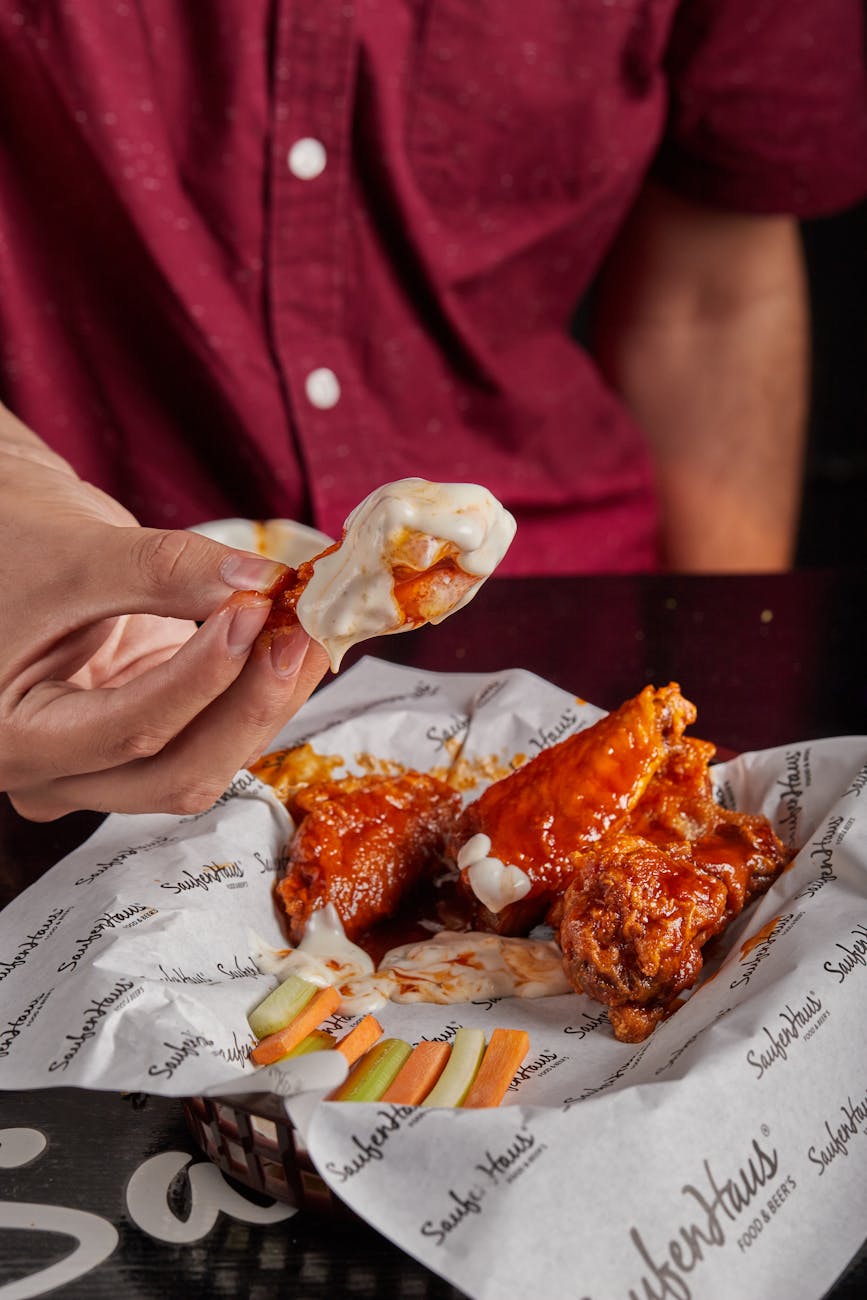
In recent years, many casual dining chains have been reshaping their menus to streamline operations, reduce costs, and focus on core best-selling items. One of the most discussed examples of this trend has been the ongoing restructuring at Hooters, where several menu items have reportedly been reduced, rotated out, or quietly discontinued across different locations.
Rather than a single nationwide announcement, these changes have largely appeared as gradual shifts—new simplified menus replacing older, more varied offerings. The result is a tighter focus on wings, tenders, and a smaller set of sides and sandwiches. Here are six menu items that customers and industry watchers have commonly noted as removed or significantly reduced during the restructuring period.
SLIDERS
Sliders were once a popular shareable option on the Hooters menu, often served as mini burgers perfect for appetizers or group dining. However, during recent restructuring efforts, many locations have stopped offering them altogether.
The reason appears to be operational simplicity. Sliders require separate preparation components, including buns, patties, and toppings, which can slow down kitchen flow during peak hours.
As menus became more streamlined, sliders were among the first casual sandwich-style items to disappear in several regions.
CHICKEN CAESAR WRAP
The chicken Caesar wrap was a lighter alternative to fried-heavy menu items, combining grilled chicken, romaine lettuce, cheese, and Caesar dressing in a tortilla. It appealed to customers looking for something less indulgent than wings or burgers.
However, with restructuring efforts prioritizing high-demand items, this wrap has become less common or entirely unavailable in many locations.
Its removal reflects a broader shift toward simplifying prep stations and reducing ingredient overlap across the menu.
LOADED APPETIZER COMBOS
At one point, Hooters offered various loaded appetizer platters that combined multiple fried items like mozzarella sticks, onion rings, and chicken bites on a single plate. These shareable combinations were popular but complex to prepare.
During menu restructuring, many of these combo platters were reduced or eliminated in favor of individual appetizers. This allows kitchens to operate more efficiently and reduce food waste.
Commonly affected items include:
- Mixed appetizer sampler platters
- Large shareable fried baskets
- Multi-item combo appetizers
The focus has shifted toward individual, high-performing items like wings and tenders.
SEAFOOD APPETIZERS
Seafood appetizers, including items like fried shrimp variations and occasional shellfish-based starters, have also seen reductions in availability at many locations.
While shrimp remains a core menu item in some form, broader seafood appetizer selections have been scaled back significantly.
This change likely reflects supply chain consistency and the goal of narrowing the menu to items that perform well across all regions.
SPECIALTY BURGER VARIATIONS
Although burgers remain on the menu, several specialty burger builds have reportedly been removed or consolidated during restructuring. These included versions with multiple toppings, sauces, and premium add-ons.
The goal of simplifying kitchen operations has led to fewer custom burger variations and a more standardized offering overall.
This helps reduce prep time and ensures faster service, especially during high-volume sports viewing hours.
ROTATING DESSERT ITEMS
Dessert offerings have also been simplified in many locations. While core desserts like cheesecake or key lime pie may still appear, rotating or seasonal desserts have become less common.
Previously, some locations offered changing dessert specials or limited-time sweet items. These have largely been scaled back to reduce inventory complexity.
In many cases, desserts now focus on a small, consistent selection rather than a rotating lineup.
WHY MENU SIMPLIFICATION IS HAPPENING
The restructuring at Hooters reflects a broader trend in the restaurant industry toward operational efficiency. Simplified menus reduce food costs, speed up service times, and make training staff easier across multiple locations.
By focusing on high-performing core items like wings and tenders, the brand can maintain consistency while reducing supply chain strain.
This approach is increasingly common among casual dining chains adapting to changing customer expectations and economic pressures.
Conclusion
While not every location has removed the same items at the same time, the overall direction of Hooters’ menu restructuring is clear: fewer complex offerings and a stronger emphasis on core, high-demand dishes.
Items like sliders, wraps, specialty burgers, and large appetizer combos have gradually become less common as the brand streamlines its operations. The result is a more focused menu designed for speed, consistency, and efficiency.



Leave a Reply