
Most people immediately throw away food at the first sign of mold, and in many cases, that’s the safest decision. Mold can spread invisible roots through soft foods and sometimes produce dangerous toxins that make people sick.
However, not all mold is harmful. Certain foods are intentionally made with mold or are dense enough that surface mold can be safely removed. In fact, some of the world’s most beloved foods depend on mold as part of their flavor and production process.
BLUE CHEESE
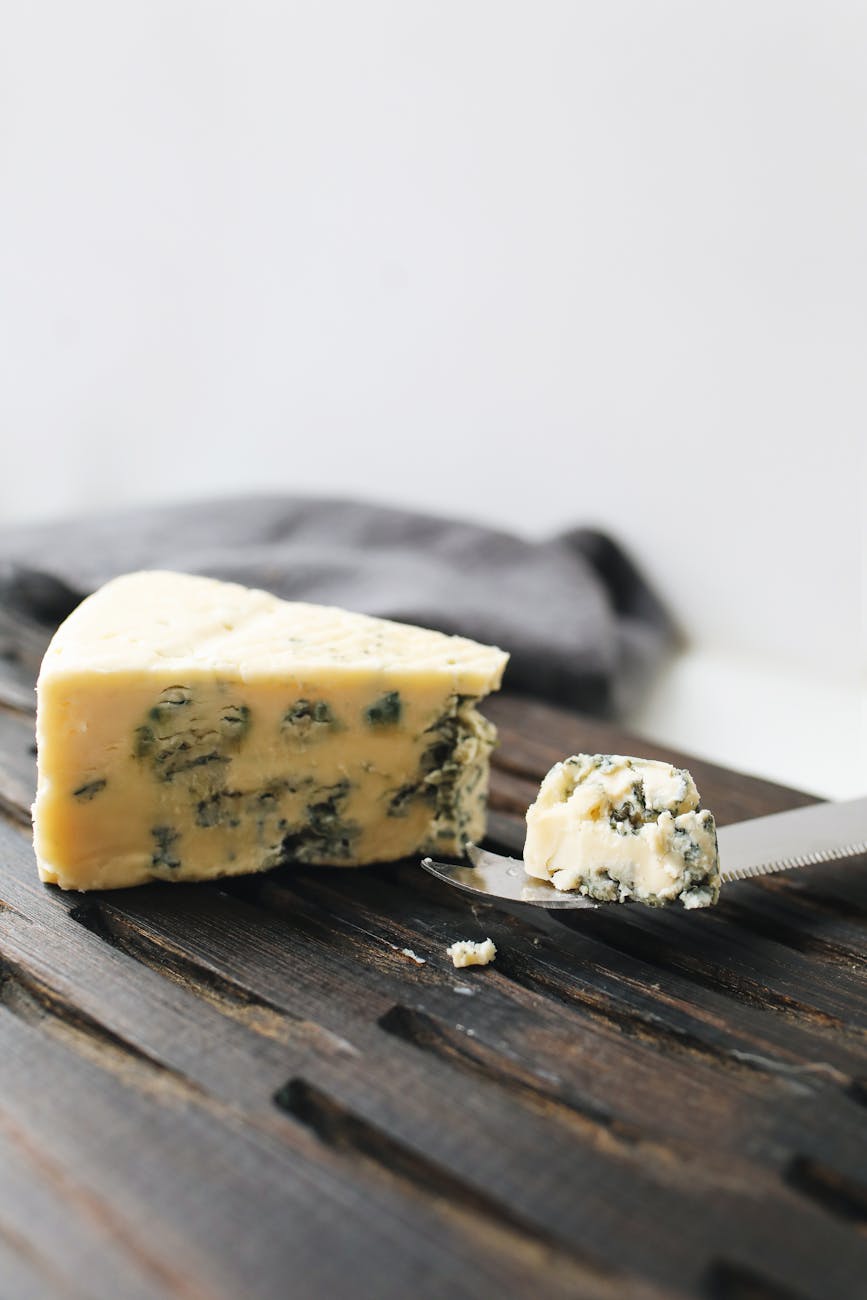
Blue cheese is one of the most famous examples of intentionally mold-ripened food. Varieties like Roquefort, Gorgonzola, and Stilton develop their signature veins through carefully controlled mold cultures.
The blue or green streaks inside the cheese are not signs of spoilage but rather part of the production process. These molds help create the sharp, tangy flavor blue cheese is known for.
As long as the cheese has been properly stored and doesn’t develop unusual pink, black, or fuzzy growth outside its intended mold, it is generally safe to eat.
DRY-CURED SALAMI
Salami often develops a white mold coating on its outer casing. While this may look alarming at first, it is actually a normal part of the curing process.
The mold helps protect the meat from harmful bacteria while contributing to flavor development during aging. It also helps regulate moisture loss as the sausage dries.
Most of the time, the mold is harmless and can either be wiped away or eaten depending on personal preference.
HARD CHEESES WITH SURFACE MOLD
Cheddar cheese and other hard cheeses can sometimes develop small patches of surface mold during storage. Unlike soft foods, hard cheeses are dense enough that mold cannot spread deeply very quickly.
Food safety experts generally recommend cutting at least one inch around and below the moldy spot. The remaining cheese is usually considered safe to eat.
This does not apply to shredded, sliced, or soft cheeses, where mold can spread much more easily.
AGED COUNTRY HAM
Country ham frequently develops mold during long aging periods. Traditional curing methods intentionally allow certain molds to form on the exterior.
The mold contributes to flavor development and is usually scrubbed or washed off before serving. Properly cured country ham has been safely prepared this way for generations.
However, unusual colors or foul odors may indicate spoilage rather than beneficial aging mold.
MOLD-RIPENED SOFT CHEESES
Brie cheese and Camembert are intentionally covered with edible white mold rinds that help create their creamy interiors.
The rind is entirely safe to eat and is considered an essential part of the cheese’s flavor profile. Without the mold, the cheese would not develop its characteristic texture.
Common foods that safely use mold include:
- Aged cheeses
- Dry-cured meats
- Fermented specialty foods
- Traditional aged products
It’s important to remember that beneficial mold is very different from accidental spoilage mold found on soft leftovers or produce.
CONCLUSION
Mold on food is not always a sign that something must be thrown away immediately. In some cases, mold is intentionally introduced to enhance flavor, texture, and preservation.
Understanding the difference between safe culinary molds and dangerous spoilage can help reduce unnecessary food waste while keeping meals safe and enjoyable.

Leave a Reply