
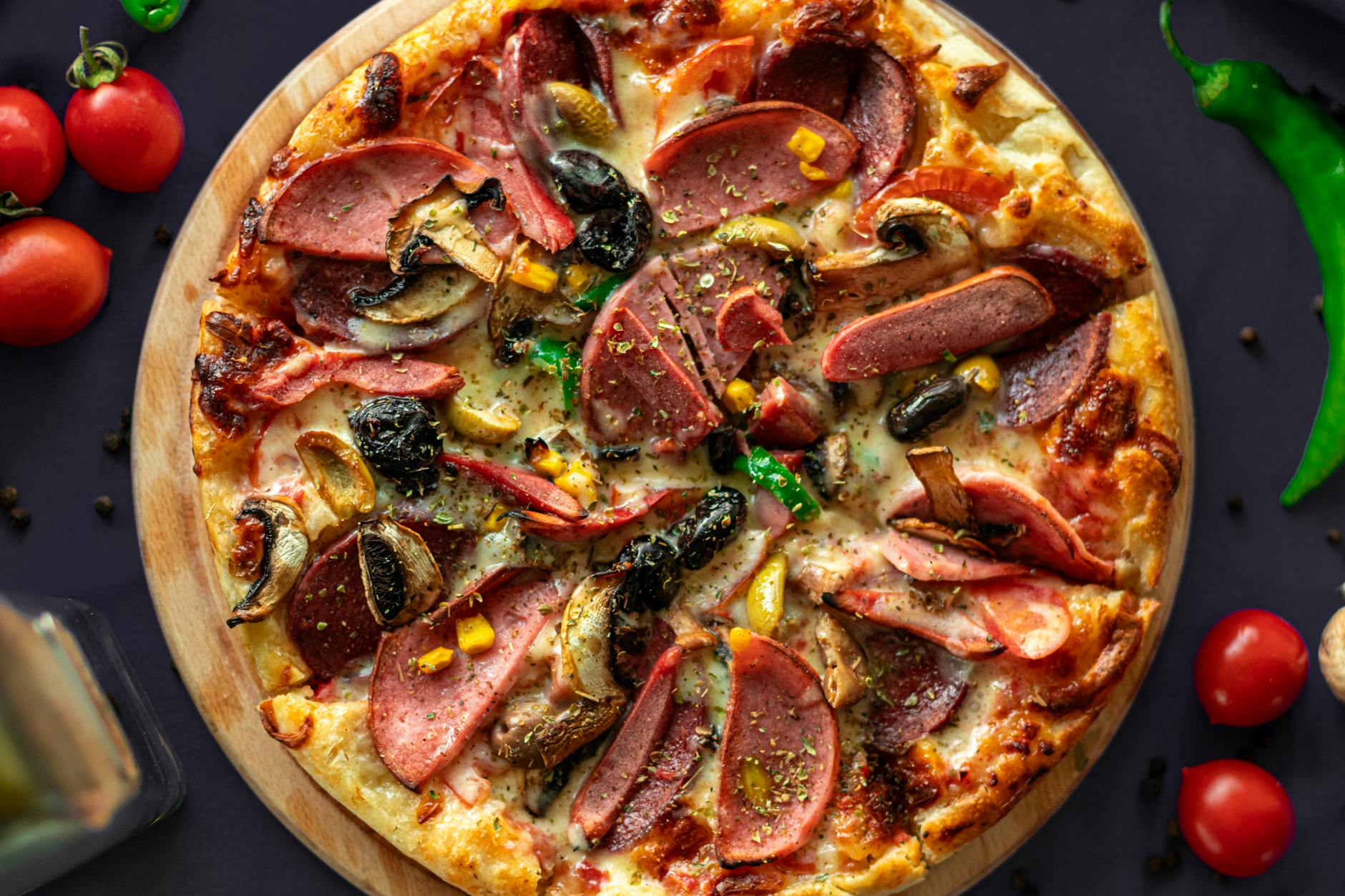
Pizza is one of the most customizable foods in the world, and meat toppings often play a major role in shaping flavor. When chosen well, meats add richness, saltiness, and texture that elevate every slice.
However, not all meats belong on pizza. Some create soggy crusts, overpower the sauce, or clash with cheese in ways that ruin balance rather than improve it.
The best pizzas rely on harmony between dough, sauce, cheese, and toppings. When the meat overwhelms or behaves poorly during baking, the entire experience suffers.
TOO-MUCH PROCESSED HAM
Ham is commonly used on pizza, but heavily processed versions can easily ruin the final result. These meats often release excess moisture during baking, which can make the crust soggy.
The salty flavor can also dominate the pizza, masking the taste of sauce and cheese. Instead of enhancing the pie, it overwhelms it with uniform saltiness.
Some versions contain added sugars and preservatives that caramelize unevenly in the oven. This creates inconsistent flavor across slices.
SWEET BREAKFAST SAUSAGE
Breakfast sausage is designed for breakfast plates, not high-heat pizza ovens. Its sweet seasoning profile often clashes with tomato sauce and mozzarella.
When baked on pizza, it can release grease that pools on the surface. This affects both texture and structural integrity of the crust.
The sweetness also creates an odd contrast with savory toppings. Instead of balance, the result often feels confused and heavy.
VERY FATTY BACON STRIPS
Bacon can be delicious on pizza when used properly, but overly fatty cuts can ruin the texture. Excess grease seeps into the crust, making it limp instead of crisp.
Thick or poorly cooked bacon may also burn at the edges while remaining chewy in the center. This creates an uneven bite experience.
Too much bacon can overpower other toppings entirely. Instead of enhancing flavor, it becomes the dominant taste in every bite.
PRE-COOKED DELI TURKEY
Turkey meat from deli-style packaging is often too lean and watery for pizza. It tends to dry out quickly in the oven, resulting in a rubbery texture.
Because it lacks fat, it does not integrate well with cheese or sauce. Instead, it separates from the rest of the pizza visually and texturally.
Many deli meats also contain high sodium levels that intensify during baking. This can make the pizza taste overly salty and one-dimensional.
SWEET-GLAZED SPIRAL HAM
Glazed ham brings strong sweetness that does not pair well with traditional pizza flavors. The sugary coating can burn quickly in high oven heat.
As it caramelizes, it may create sticky, uneven patches across the pizza surface. This affects both appearance and texture.
The sweetness also competes directly with tomato sauce. Instead of complementing savory notes, it creates an unbalanced flavor profile.
WHY SOME MEATS FAIL ON PIZZA
Meat toppings can fail on pizza for several reasons related to texture, moisture, and flavor compatibility. Even high-quality meats can perform poorly if they are not suited for high-heat baking.
Common issues include:
- Excess grease making crust soggy
- High sugar content causing burning or caramelization
- Low moisture retention leading to dryness
- Overpowering salt levels masking other flavors
- Poor texture after baking
Successful pizza toppings need to enhance, not dominate, the overall dish.
CONCLUSION
Choosing the right meat for pizza is just as important as selecting quality dough and sauce. Some ingredients that work well in other meals can completely disrupt balance when exposed to oven heat.
Understanding how different meats behave during baking helps prevent soggy crusts, overpowering flavors, and uneven textures. With better topping choices, pizza becomes more harmonious and enjoyable.


Leave a Reply