
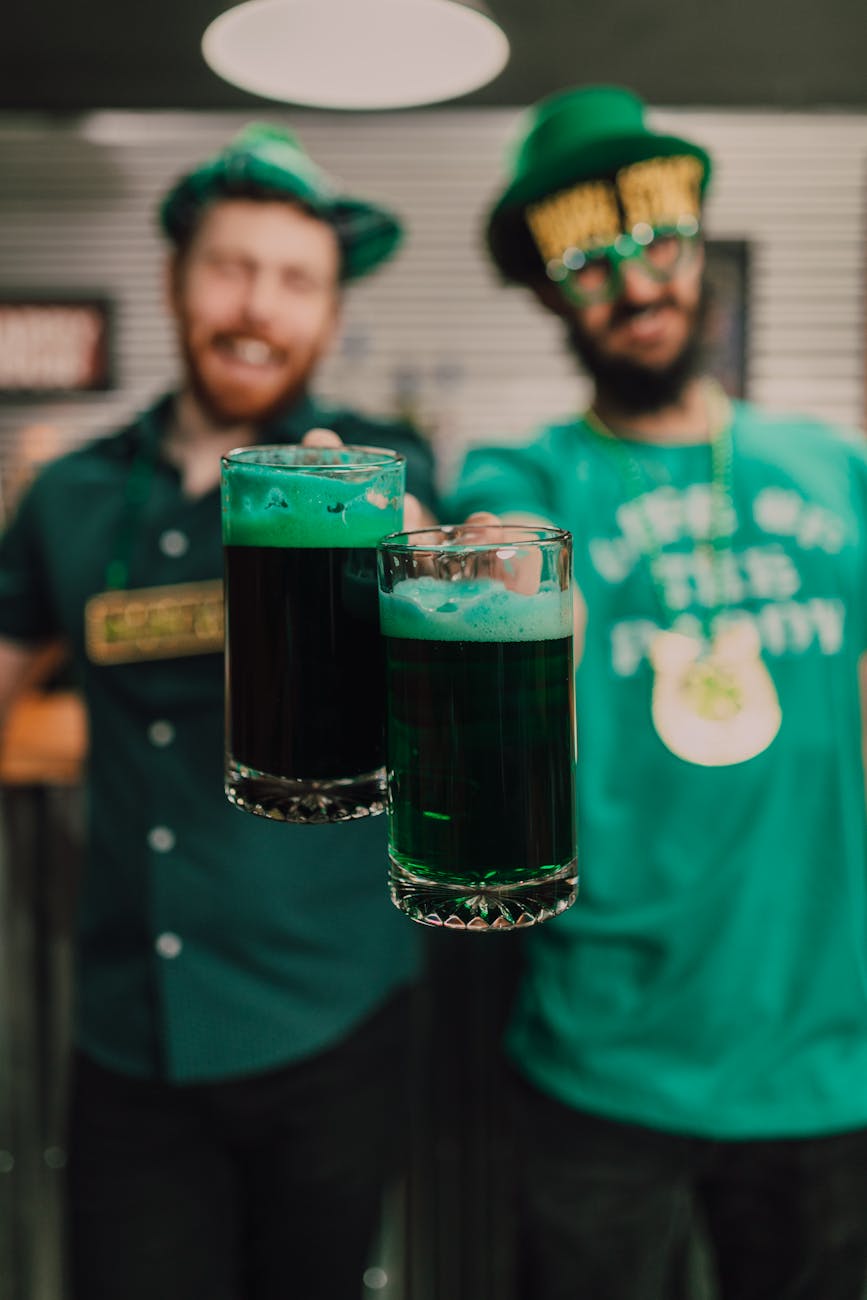
Every March, bars across the country celebrate Saint Patrick’s Day with festive decorations, shamrock accessories, and bright green beer. While the colorful pints may look fun on social media, there are several reasons to think twice before ordering one. From questionable ingredients to unpleasant side effects, green beer often creates more problems than party memories.
Artificial Food Coloring Can Cause Unwanted Reactions
Most green beers are made by adding artificial food dye into regular light beer. While the coloring itself may seem harmless, some people are sensitive to synthetic dyes and may experience headaches, stomach discomfort, or mild allergic reactions after consuming them.
Bars rarely explain what type of dye they are using, either. In busy nightlife settings, bartenders are focused on speed rather than ingredient transparency. That means you may not know exactly what was added to your drink or how much coloring ended up in the glass.
Some common concerns connected to artificial coloring include:
- Upset stomach
- Temporary tongue or teeth staining
- Headaches
- Increased dehydration
- Sensitivity reactions in certain individuals
The combination of alcohol and synthetic coloring can leave some drinkers feeling worse than they expected the next morning.
Green Beer Is Usually Made With Cheap Beer
One reason green beer is so common at crowded holiday events is because it is typically made using inexpensive lagers. Bars often choose lower-quality beer since the food coloring masks the appearance and distracts from the flavor.
That means you may end up paying premium holiday prices for a drink that would otherwise sit untouched on a normal day. The novelty becomes the selling point rather than the quality of the beverage itself.
In many cases, the beer tastes watered down or overly bitter once the initial excitement fades. If you genuinely enjoy craft beer or Irish-style brews, there are far better options available than artificially colored lagers.
It Can Leave You More Dehydrated
Alcohol already contributes to dehydration, but sugary mixers and additives can make the problem worse. Some bars use extra ingredients alongside food coloring to create brighter or more vibrant green shades, increasing the overall sugar content of the drink.
As a result, many people experience stronger hangovers after a night of drinking themed beverages. Symptoms can include dry mouth, fatigue, headaches, and nausea the following day.
Holiday celebrations also tend to involve longer drinking sessions than usual. Between crowded parties, loud music, and social pressure, people often consume more alcohol than they realize. Green beer can encourage faster drinking because it feels playful and less serious than standard drinks.
The Appearance Can Be Misleading
Bright green beer may look exciting under bar lights, but appearance does not equal quality. The unusual color can psychologically influence people into ignoring warning signs like flat carbonation, stale flavor, or overly warm beer.
Many themed party drinks are designed for visual impact rather than taste. Green beer fits squarely into that category. In some cases, the coloring can even make the beer appear fresher than it actually is.
This creates a situation where customers may drink beverages they normally would reject based on flavor or freshness alone.
It Encourages Excessive Drinking Culture
Holiday drinking traditions sometimes normalize overconsumption, especially during large public celebrations connected to Saint Patrick’s Day. Green beer often becomes part of competitive or attention-seeking drinking behavior because of its novelty.
Social media trends also contribute to the issue. Many partygoers buy green beer simply for photos or videos, turning drinking into a performance rather than a casual social activity.
That environment can make it harder for people to monitor their alcohol intake responsibly. Loud celebrations and themed promotions frequently encourage rapid ordering and binge drinking throughout the night.
There Are Better St. Paddy’s Day Drink Choices
If you still want to celebrate, there are plenty of alternatives that do not involve artificially dyed beer. Traditional Irish beverages often provide better flavor and a more authentic experience.
Consider trying drinks such as:
- Irish stout
- Irish red ale
- Hard cider
- Non-alcoholic Irish cream beverages
- Sparkling water with lime for a festive green appearance
These options can help you enjoy the holiday without dealing with unnecessary additives or disappointing beer quality.
Celebrating responsibly also means paying attention to hydration, pacing yourself, and choosing drinks you genuinely enjoy rather than following trends.


Leave a Reply