

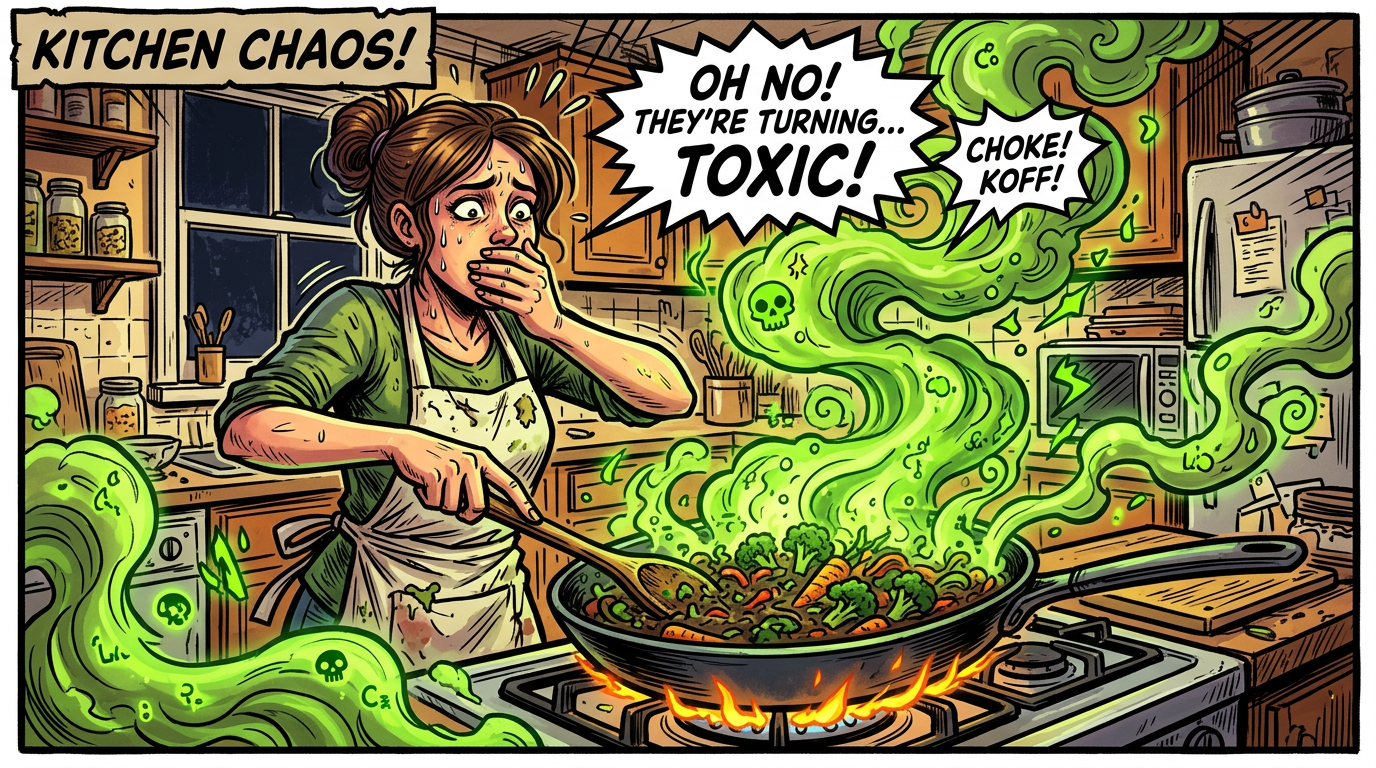
Deep frying at home can seem simple, but some foods react unpredictably in hot oil. These reactions can lead to splattering, uneven cooking, or structural breakdown that makes the process messy and potentially unsafe.
While deep frying is a popular cooking method, not every ingredient is suited for it. Foods with high moisture, delicate structure, or unstable coatings can create hazards when exposed to high heat oil.
Water Rich Vegetables
Vegetables with high water content can cause oil to splatter aggressively when submerged in hot oil. The moisture rapidly turns into steam, which expands and forces oil outward.
This reaction can create burns or kitchen messes if the food is not properly prepared. Even small pieces of watery vegetables can behave unpredictably in hot oil.
Common examples include cucumbers, tomatoes, and zucchini. Their structure breaks down quickly under high heat, making them unsuitable for deep frying at home.
Frozen Foods With Ice Crystals
Frozen foods often contain surface ice that reacts violently with hot oil. When ice meets high-temperature oil, it can cause sudden bubbling and splattering.
This reaction increases the risk of burns and makes it harder to control the cooking process. It can also lead to uneven cooking, where the outside burns before the inside is heated through.
Before any cooking method involving oil, frozen items generally require careful thawing or preparation. Skipping this step increases the likelihood of dangerous oil reactions.
Delicate Fish Fillets
Thin or delicate fish fillets can fall apart easily in a deep fryer. The structure of the fish may not hold up against rapid heat exposure.
This can result in broken pieces floating in oil rather than a cohesive cooked fillet. It also increases the risk of oil contamination from loose batter or flesh.
Fish with very soft textures are especially prone to disintegration. Even if breaded, they may not maintain their shape during frying.
Leafy Green Vegetables
Leafy greens like spinach or kale are extremely light and contain moisture that reacts quickly with hot oil. When added to a fryer, they can crisp unevenly or burn almost instantly.
Their structure also causes them to float and move unpredictably in oil. This makes even cooking difficult and increases the chance of overheating small pieces.
Instead of deep frying, these greens are better suited for sautéing or baking methods that provide more controlled heat exposure.
Stuffed Foods
Foods with fillings, such as stuffed peppers or dumplings, can burst when deep fried at home. The filling expands faster than the outer shell can contain it.
This can lead to oil splatter and structural collapse during cooking. It also creates uneven results where the outer layer cooks faster than the inside.
A few examples include:
- Cream-filled pastries
- Stuffed ravioli
- Filled peppers
- Meat-stuffed dough pockets
These foods require careful temperature control that is often difficult to maintain in a home fryer.
Large Whole Meats
Large cuts of meat, such as whole chicken or turkey, are not safe for typical home deep frying setups. Their size makes it difficult for heat to penetrate evenly.
Uneven heating can leave the interior undercooked while the exterior becomes overly dark. This creates both safety and quality concerns.
In addition, the displacement of hot oil when lowering large items into a fryer can cause dangerous overflow or splashing.
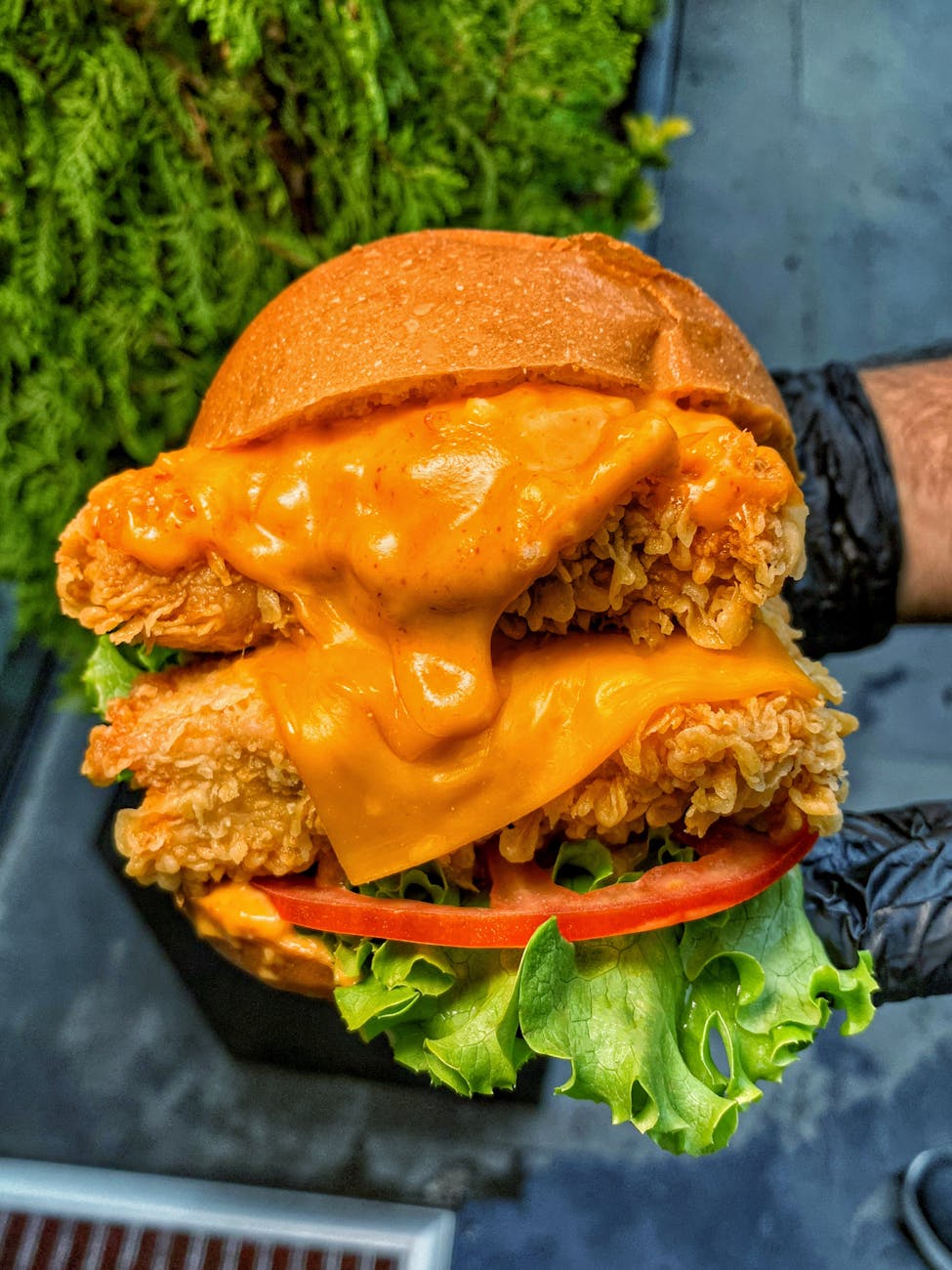
Cheese Only Items
Cheese without a protective coating melts extremely quickly when exposed to hot oil. Instead of forming a crisp exterior, it often leaks directly into the fryer.
This creates a mess and increases the risk of hot oil splatter. The result is usually lost structure and burnt residue rather than a finished dish.
Cheese-based items typically require a batter or breading to maintain shape, which is difficult to manage without proper preparation techniques.
High Sugar Coated Foods
Foods with high sugar content can burn rapidly in hot oil. Sugar caramelizes quickly, and in some cases, it can turn bitter or scorch before the inside is properly heated.
This reaction can also cause uneven textures and dark, unappealing surfaces. Items like chocolate bars or sugar-coated snacks are especially prone to this issue.
The rapid burning process can also produce smoke and residue in the oil, reducing its quality for future cooking.
Conclusion
Deep frying requires careful ingredient selection because not all foods respond well to high heat oil. Foods with high moisture, delicate structures, or unstable coatings can create safety risks and poor cooking results.
Understanding how different ingredients react can help reduce accidents and improve consistency. Choosing the right foods is key to safer and more successful home cooking.

Leave a Reply