
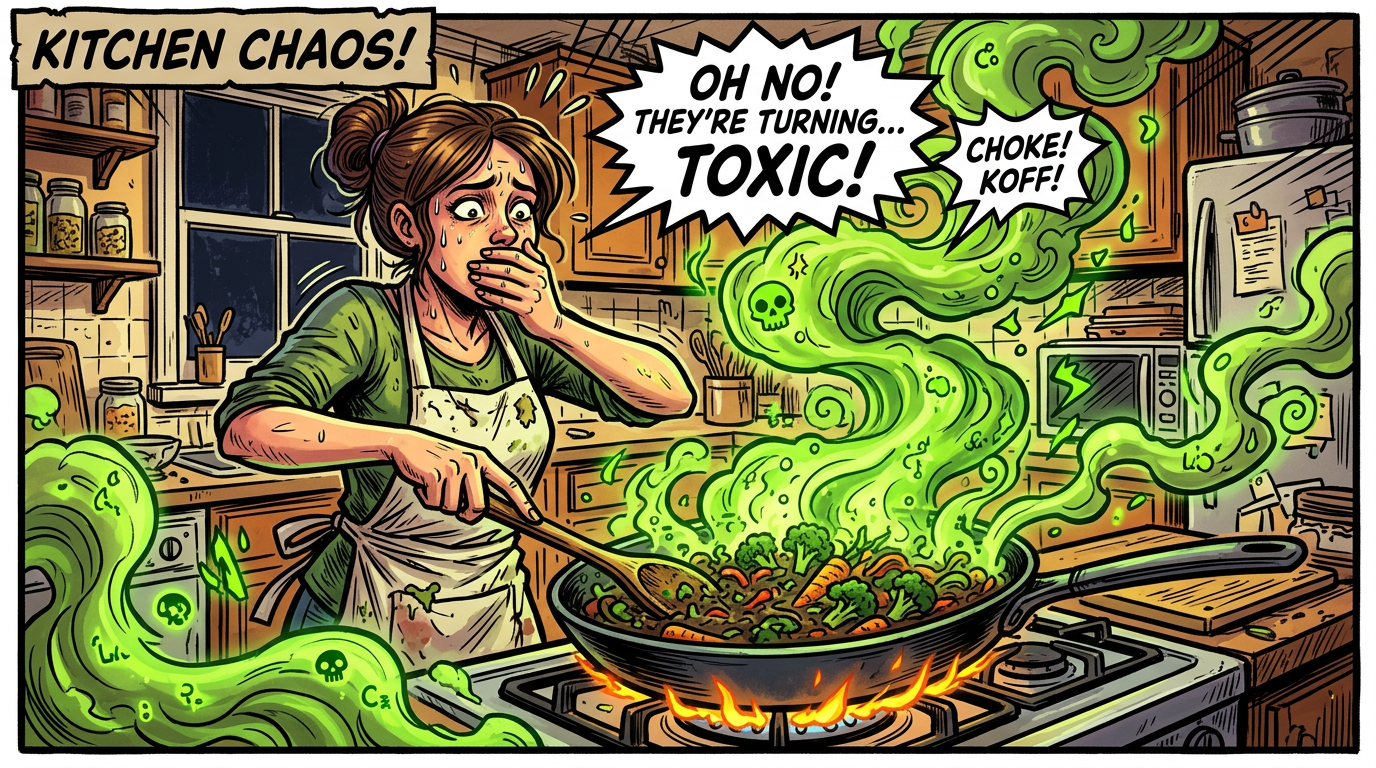
Most vegetables are healthy and safe when prepared properly, but a small number contain natural compounds that require careful handling. If they are undercooked, improperly processed, or consumed in the wrong form, they can cause digestive distress or even toxic reactions.
This does not mean these foods are inherently dangerous in normal diets. Instead, it highlights how important correct preparation methods are for certain plant-based ingredients that contain naturally occurring toxins or compounds.
CASSAVA
Cassava is a staple food in many tropical regions, but it contains natural cyanogenic compounds that must be properly processed before eating. If not prepared correctly, these compounds can release harmful substances in the body.
Traditional preparation methods involve peeling, soaking, and thorough cooking to reduce these compounds to safe levels. When handled correctly, cassava becomes a valuable source of carbohydrates.
However, improperly prepared cassava can lead to serious illness. This is why it is rarely consumed raw or minimally processed in modern diets.
KIDNEY BEANS
Kidney beans contain a naturally occurring toxin called phytohaemagglutinin when raw or undercooked. This compound can cause significant digestive discomfort if the beans are not fully prepared.
Proper cooking destroys the toxin and makes the beans safe to eat. However, slow cookers at low temperatures may not always reach sufficient heat levels.
This is why kidney beans require full boiling before being added to recipes. Once properly cooked, they are nutritious and safe.
POTATOES (WHEN GREEN OR SPROUTED)
Potato plants naturally produce solanine, a compound that increases when potatoes are exposed to light or begin to sprout. High levels of solanine can cause bitterness and digestive issues.
Green or sprouted potatoes should not be consumed without careful trimming or removal of affected areas. Cooking alone does not fully eliminate the compound.
While normal potatoes are safe and widely consumed, improper storage can increase risk. Keeping them in cool, dark environments helps prevent toxin buildup.
WILD MUSHROOMS
Mushroom varieties found in the wild can be extremely dangerous if misidentified or improperly prepared. Some species contain toxins that are not neutralized by cooking.
Unlike cultivated mushrooms, wild types require expert identification before consumption. Even small mistakes can lead to severe illness.
Because of this risk, foraging without proper knowledge is strongly discouraged. Store-bought mushrooms are cultivated specifically for safety and consistency.
RHUBARB LEAVES
Rhubarb stalks are commonly used in desserts, but the leaves contain high levels of oxalic acid and should never be eaten. This compound can be harmful if ingested in significant amounts.
Cooking does not make the leaves safe for consumption. Only the stalks are considered edible and are widely used in pies and jams.
This is a clear example of how different parts of the same plant can vary dramatically in safety.
SPINACH AND HIGH-NITRATE GREENS
Spinach contains naturally occurring nitrates, which can convert into nitrites under certain conditions. In most diets, this is not a problem, but improper storage or reheating can increase risk in sensitive groups.
Infants and very young children are more susceptible to nitrate-related issues. This is why spinach is often introduced carefully in early diets.
Proper refrigeration and fresh preparation help maintain its nutritional benefits while minimizing risk.
BULLET POINT SUMMARY: WHY PREPARATION MATTERS
- Natural plant toxins can be neutralized with proper cooking
- Some compounds only become harmful when food is raw or undercooked
- Storage conditions can increase toxin levels in certain vegetables
- Misidentification of wild foods can lead to serious health risks
- Different parts of the same plant may have different safety levels
CONCLUSION
Most vegetables are completely safe and highly nutritious when handled correctly, but a few require extra attention during preparation. Natural compounds in certain plants highlight the importance of proper cooking methods, storage, and sourcing.
By understanding how these foods behave under different conditions, people can enjoy them safely as part of a balanced diet. Awareness, not avoidance, is the key to reducing risk while maintaining variety in meals.




Leave a Reply