
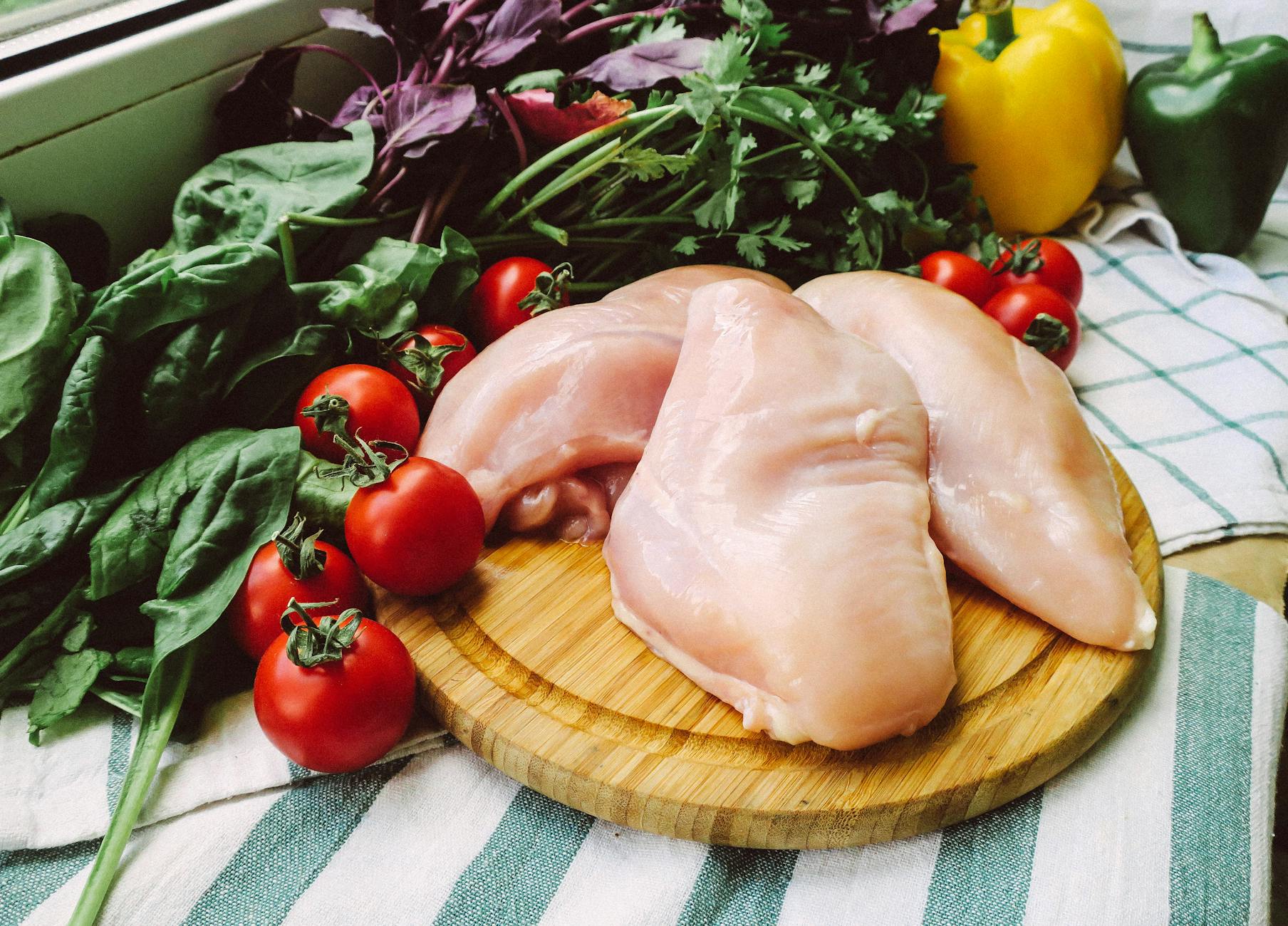
Chicken is one of the most commonly purchased proteins in grocery stores, but not every package sitting in the meat case is worth bringing home. A few warning signs can reveal whether the chicken is old, poorly handled, or simply lower quality than it should be.
While expiration dates matter, they are not the only clues shoppers should pay attention to. Color, texture, packaging, and even excess liquid can all signal potential problems before the chicken ever reaches your kitchen.
Here are six red flags that should make you think twice before buying grocery store chicken.
The Package Is Puffy Or Bloated
One of the biggest warning signs is packaging that appears swollen with air. Vacuum-sealed chicken should sit relatively flat, so excessive puffiness may indicate bacterial activity producing gas inside the container.
Bloated packaging does not automatically mean the chicken is dangerous, but it is a major signal that something may be wrong. If the plastic looks stretched tight or inflated, it is safer to choose another package.
This issue is especially concerning if the package also has a sour smell or excessive liquid buildup.
The Chicken Looks Gray Instead Of Pink
Fresh raw chicken should usually appear light pink with slight peach tones. If the meat looks dull gray, yellowish, or unusually dark, freshness may already be declining.
Discoloration can happen naturally over time as oxygen exposure changes the meat’s appearance. However, dramatic color shifts are often a sign the chicken has been sitting too long in storage.
Pay extra attention around the edges and underneath the chicken where discoloration may be easier to spot.
There Is Too Much Liquid In The Tray
A small amount of moisture inside the package is normal, but excessive liquid is not ideal. Pools of pink water can suggest the chicken has been frozen and thawed improperly or has started breaking down.
Too much liquid can also affect texture during cooking. Instead of browning properly, overly wet chicken often steams in the pan and develops a rubbery consistency.
When shopping, look for packages with minimal excess moisture.
The Texture Looks Slimy
Chicken should look moist but never sticky or slimy. A slick coating on the meat can be an early sign of spoilage caused by bacterial growth.
Even if the expiration date has not passed, texture changes are important warning signs. If the chicken appears stringy, gummy, or coated in a shiny film, it is best left on the shelf.
Some key texture red flags include:
- Sticky residue
- Slimy appearance
- Mushy edges
- Excessively soft spots
- Strange string-like fibers
The Sell-By Date Is Too Close
Many shoppers grab the first package they see without checking the date carefully. Chicken nearing its sell-by date may still technically be safe, but it leaves little room for storage once you get home.
If you are not planning to cook the chicken within a day or two, choosing a fresher package is usually the smarter option. This is especially important for bulk family packs that may sit longer in the refrigerator after opening.
Stores sometimes discount near-expiration meat, but the savings are not always worth the reduced shelf life.
There Is An Unusual Odor
Although you cannot smell chicken through sealed packaging in every case, some odors can still escape. Sour, sulfur-like, or ammonia-style smells are major warning signs that the chicken may be spoiled.
Fresh chicken should have very little smell at all. Even a faint unpleasant odor is enough reason to avoid purchasing it.
If you notice a strange smell after opening chicken at home, do not try to “cook it off.” Discarding questionable poultry is the safest choice.
Paying Attention Can Prevent Food Waste
Carefully inspecting chicken before buying it can save money, reduce food waste, and help avoid foodborne illness. Small details often reveal far more about freshness than labels or marketing claims.
Taking an extra minute to compare packages can make a major difference in quality. Better chicken not only lasts longer in the refrigerator, but it also tastes noticeably better once cooked.


Leave a Reply