
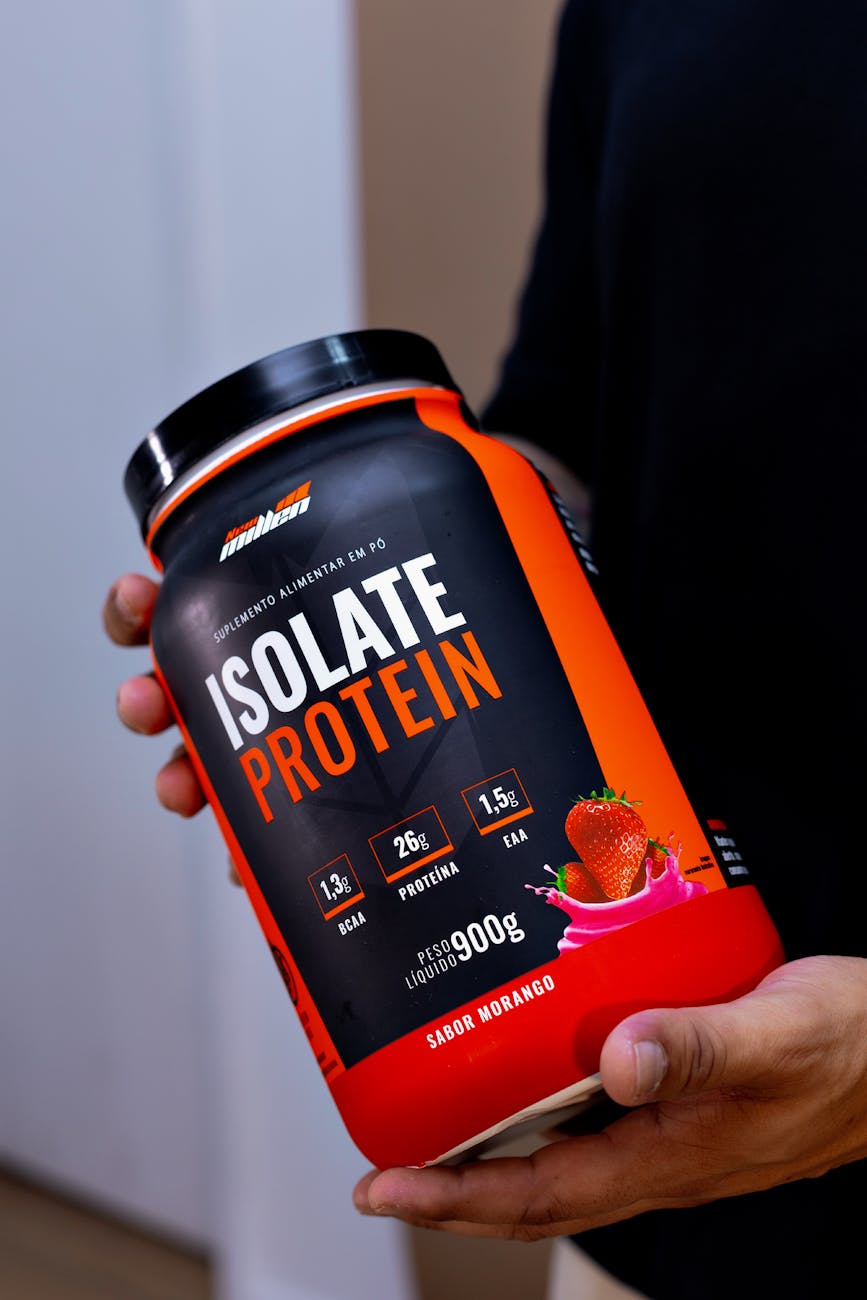
Protein powders are widely used by athletes, fitness enthusiasts, and people looking to supplement their diets with convenient nutrition. However, not all protein supplements on the market meet the same safety or quality standards. Over the years, certain products have been flagged or recalled due to contamination concerns, mislabeling, or undeclared ingredients.
These issues can arise from manufacturing errors, cross-contamination in shared facilities, or failure to meet regulatory labeling standards. In some cases, the concerns involve heavy metals, undeclared stimulants, or banned substances that raise serious health questions.
Muscle Milk Products and Labeling Concerns
Muscle Milk has faced scrutiny in the past related to labeling accuracy and formulation transparency in certain products.
While widely used in gyms and sports settings, some versions of protein supplements under this brand have been reviewed for discrepancies between labeled and actual nutrient content. These issues typically involve variations in protein concentration or added ingredients not clearly highlighted on packaging.
Although not all products were deemed unsafe, such incidents highlight how inconsistencies in supplement manufacturing can lead to consumer concern.
For athletes relying on precise macronutrient tracking, even small discrepancies can impact dietary planning and performance goals.
EAS Myoplex and Formula Reformulation Issues
EAS Myoplex has historically been one of the most recognizable meal replacement and protein shake brands. However, certain formulations have undergone reformulation or scrutiny over ingredient changes and labeling updates.
In some cases, consumers reported differences in taste, texture, or performance compared to earlier versions, raising concerns about consistency across batches.
While reformulation itself is not inherently dangerous, it can lead to confusion when ingredient lists change without clear communication.
This type of issue underscores the importance of transparency in supplement production and labeling practices.
Herbalife Protein Shakes and Ingredient Scrutiny
Herbalife has faced ongoing global scrutiny regarding ingredient sourcing and product composition in some of its nutrition shakes and protein products.
Certain regulatory reviews in different countries have raised questions about labeling accuracy and the presence of trace contaminants in shared manufacturing environments.
Although many Herbalife products remain widely used, the company has been subject to discussions around quality control and supply chain oversight.
These concerns emphasize how large-scale supplement production can vary in oversight across different regions.
BSN Syntha-6 and Cross-Contamination Concerns
BSN Syntha-6 is a popular protein powder known for its taste and blended protein sources. However, like many multi-ingredient supplements, it has been part of broader industry discussions around potential cross-contamination risks in shared manufacturing facilities.
Cross-contamination can occur when equipment is used for multiple supplement lines, potentially introducing trace amounts of allergens or other compounds not listed on the label.
While such risks are typically low and regulated, they remain a concern for individuals with allergies or strict dietary requirements.
This highlights the importance of third-party testing and certified manufacturing standards in the supplement industry.
Optimum Nutrition Gold Standard Whey and Heavy Metal Testing Reports
Optimum Nutrition Gold Standard Whey is one of the most widely consumed protein powders globally and is often praised for its consistency and quality control.
However, independent testing reports from various consumer watchdog groups have occasionally raised concerns about trace heavy metals such as lead or cadmium in some protein powders across the industry, including widely sold brands.
It is important to note that trace amounts of heavy metals can appear in many plant-based and dairy-derived foods due to environmental exposure, but these findings have prompted calls for stricter regulation and transparency in supplement manufacturing.
Consumers are often advised to look for third-party certifications to ensure product quality and safety.
Some common sources of concern in protein supplements include:
- Heavy metal contamination from raw ingredients
- Undeclared stimulants or additives
- Cross-contact with allergens
- Inconsistent labeling across batches
These factors highlight the importance of careful product selection.
Conclusion
Protein powders remain a convenient and popular way to support fitness and nutrition goals, but they are not all created equal. Manufacturing practices, ingredient sourcing, and regulatory oversight can vary widely across brands and regions.
While most supplements on the market are safe when properly produced, past contamination concerns and labeling inconsistencies show the importance of choosing reputable brands and third-party tested products.




Leave a Reply