
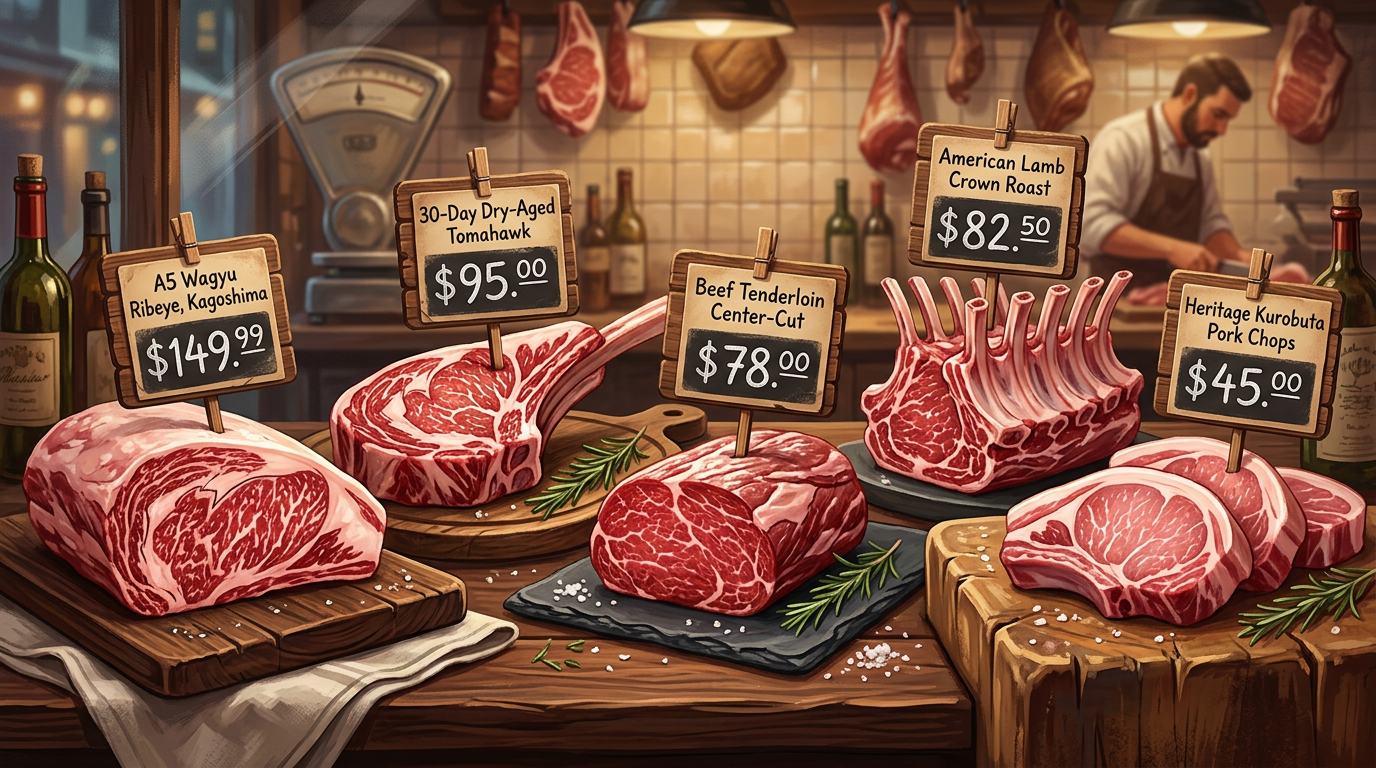
Gourmet meats often carry a premium price tag that reflects rarity, branding, or traditional preparation methods. However, higher cost does not always translate to noticeably better flavor or value for the average diner.
In many cases, the difference between everyday cuts and luxury meats is subtle once they are cooked, seasoned, or incorporated into complex dishes. Understanding which options offer less return on investment can help you spend more wisely.
Wagyu Beef
Wagyu beef is often marketed as one of the most luxurious meats in the world due to its intense marbling and buttery texture. While it is undeniably rich, many diners find the experience overwhelming rather than balanced.
At very high prices, the flavor difference between Wagyu and well-prepared standard ribeye can feel minimal. The texture may also become overly fatty for those who prefer a firmer bite.
Because of its cost, Wagyu is often more about prestige than practicality, especially outside of fine dining tasting menus.
Kobe Beef
Kobe beef is a highly restricted and heavily marketed subset of Wagyu beef. Its exclusivity drives prices significantly higher than most premium steaks.
However, many chefs and diners argue that the extreme cost does not always match a proportionally better eating experience. The differences can be subtle compared to other high-quality Wagyu or dry-aged beef.
In blind tastings, Kobe beef does not always stand out enough to justify its premium pricing, especially in casual dining settings.
Iberico Ham
Jamón Ibérico is a cured meat known for its nutty flavor and melt-in-the-mouth texture. It is often considered one of the finest cured meats in the world.
Despite its reputation, the high price can be difficult to justify for everyday consumption. The intense curing process and salt content also mean small portions are typically enough.
While delicious, similar flavor profiles can sometimes be found in less expensive cured hams with careful sourcing.
Bison Steak
bison steak is marketed as a leaner and more “natural” alternative to beef. It has a mild, slightly sweet flavor and is often sold at a premium price.
However, many diners find it too similar to lean beef to justify the higher cost. Its lower fat content can also make it less forgiving when overcooked.
Because of its positioning as a specialty meat, pricing often reflects novelty more than culinary distinction.
Venison
venison is a traditional game meat often associated with rustic or gourmet dining. It is lean, earthy, and widely used in high-end restaurant dishes.
Despite its reputation, venison can vary widely in quality depending on sourcing and preparation. When not handled properly, it can taste overly dry or gamey.
Many chefs use sauces or marinades to enhance it, which raises the question of whether the meat itself justifies its premium status.
Foie Gras
foie gras is a controversial luxury ingredient known for its rich, buttery texture. It is commonly served in small portions as part of fine dining menus.
While its texture is unique, the strong flavor and extremely high price make it polarizing. Some diners appreciate its richness, while others find it too intense for regular enjoyment.
Because it is typically served as an accent rather than a main course, its value is often tied more to tradition than practicality.
- Often served in tiny portions due to richness
- High production cost drives premium pricing
- Strong flavor limits versatility in everyday cooking
Conclusion
Many gourmet meats carry high price tags based on rarity, branding, or tradition rather than dramatic differences in taste. While they can offer unique dining experiences, the value proposition is often subjective. In many cases, well-prepared standard cuts deliver similar satisfaction at a fraction of the cost.



Leave a Reply