
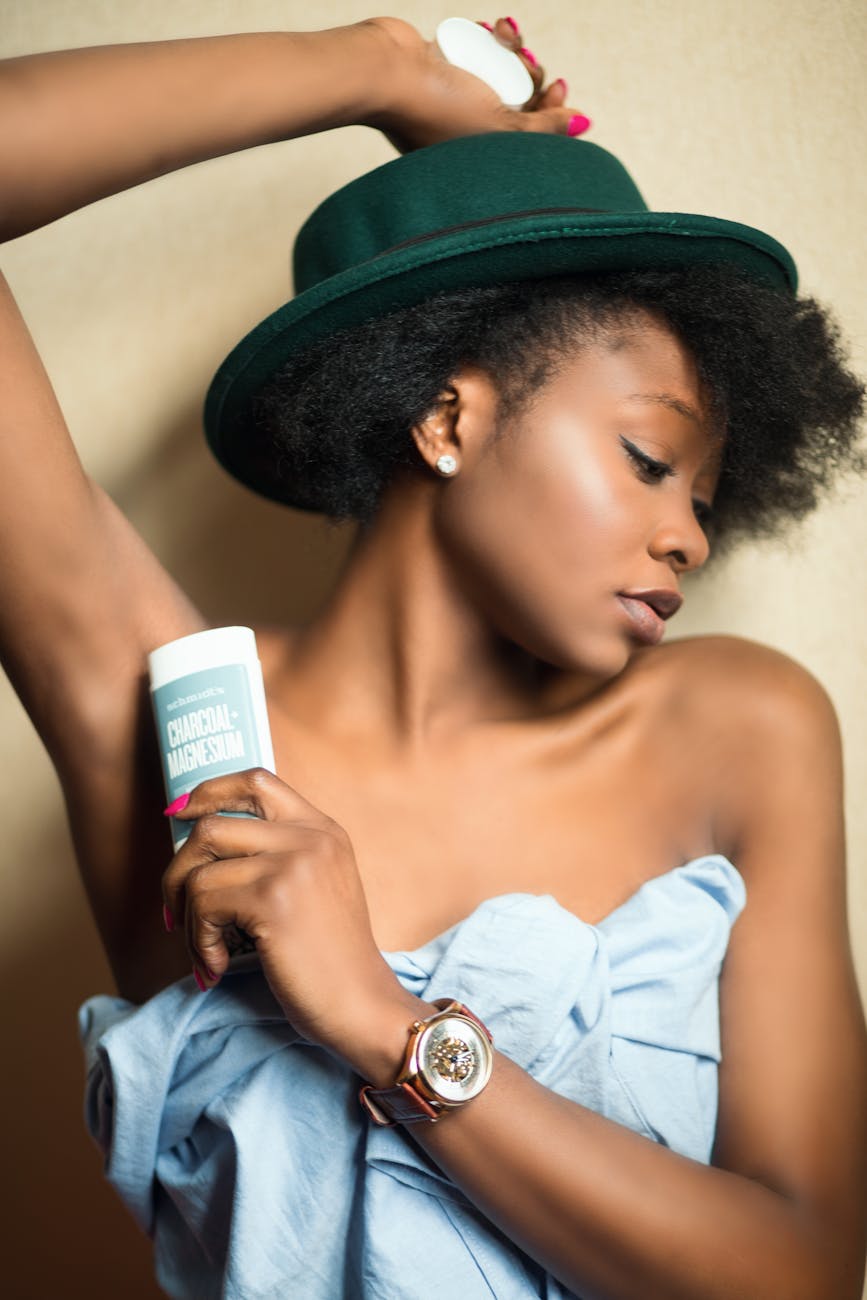
Deodorants are a daily-use personal care product, but over time, some formulas have been reformulated or discontinued after ingredient safety concerns, consumer complaints, or regulatory pressure. While most modern deodorants are considered safe when used as directed, earlier versions often contained compounds that later received more scrutiny.
In many cases, “pulled” products does not always mean dangerous at the point of use—it often reflects evolving science, updated safety standards, or changes in manufacturing practices. Still, looking back at discontinued or reformulated deodorants helps explain how personal care safety has changed over time.
Old Spice Classic Spray (Original Formula)
The original aerosol version of Old Spice Classic was widely used for decades before undergoing multiple reformulations. Early spray versions contained propellants and fragrance compounds that later came under scrutiny for potential respiratory irritation and environmental concerns.
While not removed from the market entirely, older formulations were phased out as regulations around aerosol chemicals tightened. Modern versions are significantly different in composition compared to earlier sprays.
The shift reflects broader industry changes toward safer propellants and clearer ingredient labeling.
Degree UltraClear Antiperspirant (Early Formulas)
Early versions of Degree UltraClear antiperspirant included high concentrations of aluminum-based compounds and fragrance blends that were later adjusted. Some consumer groups raised concerns about skin sensitivity and long-term exposure to certain additives.
Although the product line still exists, older formulations were discontinued or modified to improve tolerability. This is common in antiperspirant products as dermatological research evolves.
Manufacturers often reformulate to reduce irritation while maintaining sweat-blocking effectiveness.
Right Guard Xtreme Deodorant Spray
Right Guard Xtreme spray deodorants were popular for their strong odor protection and long-lasting scent. However, earlier aerosol versions included volatile organic compounds (VOCs) and propellants that faced increased regulatory scrutiny over time.
Concerns centered around inhalation exposure and indoor air quality, especially in poorly ventilated spaces. As a result, several formulations were discontinued or replaced with updated versions.
Common ingredient concerns in older deodorants included:
- High levels of aerosol propellants
- Synthetic fragrance compounds
- Alcohol-based solvents
- VOC-emitting chemicals
These ingredients are now more tightly regulated or reformulated in modern products.
Secret Platinum Antiperspirant (Early Versions)
Early versions of Secret Platinum antiperspirant were marketed for strong, all-day protection but contained heavier fragrance blends and aluminum compounds. Some consumers reported irritation or sensitivity, leading to formulation adjustments over time.
While the brand itself remains widely available, older versions were phased out as ingredient standards evolved. Modern formulas tend to focus more on dermatological testing and hypoallergenic claims.
The evolution reflects increasing demand for gentler personal care products.
Mitchum Advanced Control Deodorant (Original Aerosol)
Mitchum’s earlier aerosol deodorants were known for their powerful odor control but contained ingredients typical of older spray technologies. These included propellants and alcohol-based carriers that were later reduced or removed in updated versions.
Regulatory changes around aerosol safety and consumer preference for non-spray formats influenced reformulation. The product line shifted toward roll-ons and solid sticks with simplified ingredient lists.
This transition reflects a broader industry move away from high-VOC sprays.
Ban Roll-On Deodorant (Classic Formula)
Ban roll-on deodorant has been on the market for decades, but early versions included fragrance and preservative systems that were later modified. Some ingredients were updated due to skin sensitivity concerns and improved safety standards.
The brand has since introduced gentler formulations with fewer potential irritants. Older versions are no longer produced, though they remain part of consumer memory.
This type of reformulation is common as cosmetic safety research evolves.
Speed Stick Aerosol Deodorant (Original Line)
Speed Stick aerosol deodorants were widely used in the mid-to-late 20th century, but early formulations contained stronger solvents and propellants than those used today. These ingredients were later reduced due to environmental and inhalation safety concerns.
As regulations tightened, many aerosol versions were replaced with stick or gel alternatives. The brand adapted to meet updated safety and consumer expectations.
This shift reflects how deodorant technology has moved toward simpler delivery systems.
Conclusion
Many classic deodorants were not “dangerous” in a modern sense, but they were developed under older safety standards that have since evolved. As scientific understanding and regulations have improved, manufacturers have reformulated products to reduce potential irritants and environmental impact.
Today’s deodorants are generally more refined, with greater emphasis on skin sensitivity, ingredient transparency, and safer delivery systems. Looking at older formulas helps show how personal care safety continues to progress.



Leave a Reply