
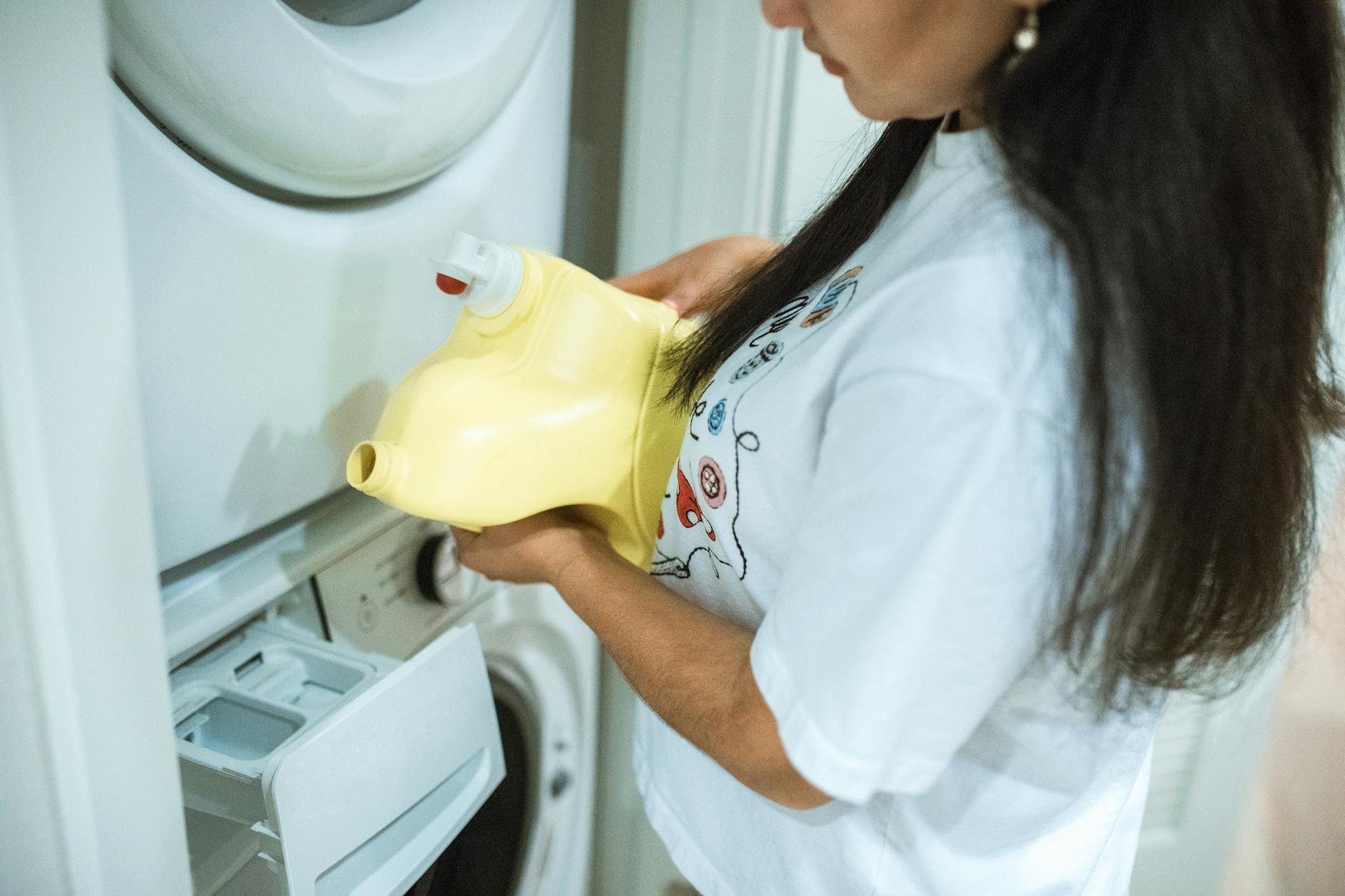
Laundry detergents are designed to remove stains and odors, but over the years, some products have also raised safety concerns because of certain chemical ingredients. In some cases, detergents have been recalled or reformulated after reports involving contamination, skin irritation, or potentially hazardous substances.
It’s important to note that most recalls are precautionary and limited to specific batches or formulations. Still, these incidents show how closely household cleaning products are monitored for consumer safety.
Woolite Delicates Detergent
Woolite has long been marketed as a gentle detergent for delicate fabrics, but some formulations have faced scrutiny over preservative ingredients and potential skin reactions. Certain products were reportedly reformulated after concerns involving compounds linked to irritation and allergic responses.
While not all Woolite products were recalled, some versions became part of broader discussions around chemical sensitivity in household cleaners. Consumers with sensitive skin were especially encouraged to review ingredient labels carefully.
The controversy highlighted how even “gentle” detergents can contain complex chemical blends.
Tide Pods
Tide Pods became one of the most recognizable laundry products of the last decade. However, concerns surrounding their concentrated chemical contents led to widespread criticism and increased regulatory attention.
The brightly colored pods were associated with accidental poisonings and exposure incidents, particularly involving children. While the issue was more related to product design and concentrated chemicals than contamination itself, it sparked major packaging and labeling changes.
Common detergent ingredients that have raised safety concerns include:
- Synthetic fragrance compounds
- Preservatives such as methylisothiazolinone
- Concentrated surfactants
- Optical brighteners and dyes
These ingredients are widely used but may trigger reactions in sensitive individuals.
ECOS Laundry Detergent
ECOS detergents were marketed as environmentally friendly alternatives, but some products still faced legal and regulatory scrutiny regarding ingredient disclosures and marketing claims. Certain formulations were criticized over concerns tied to preservatives and potential irritants.
The brand responded by emphasizing transparency and updated ingredient communication. The situation demonstrated that even eco-focused products can face questions about chemical safety.
Consumers increasingly expect “green” detergents to fully disclose all active and inactive ingredients.
Gain Original Liquid Detergent
Gain detergents are especially known for their strong fragrances, but heavily scented products have occasionally been criticized by consumer advocacy groups. Some fragrance ingredients used in detergents have been linked in studies to respiratory irritation or allergic reactions.
Although Gain products remain widely available, fragrance-heavy detergents continue to generate debate among researchers and health-conscious consumers. Long-term exposure to indoor fragrance compounds remains an area of ongoing study.
This is especially relevant for people with asthma or chemical sensitivities.
Sun Triple Clean Detergent
Sun detergents have periodically faced complaints related to skin irritation and formulation concerns. Some lower-cost detergents use stronger surfactants or preservatives that can be harsher on sensitive skin.
While not every issue resulted in a formal recall, consumer complaints and ingredient reviews prompted closer attention to product formulations. The brand has since updated certain products and labeling practices.
Budget detergents often balance affordability with highly concentrated cleaning chemicals.
Method Laundry Detergent
Method became popular for its modern packaging and plant-based marketing approach. However, some of its formulations drew criticism from advocacy groups questioning whether certain fragrance and preservative ingredients aligned with its eco-friendly image.
The company defended the safety of its ingredients while continuing to update formulations over time. The controversy reflected growing consumer demand for safer and more transparent household products.
Plant-based branding does not always mean a detergent is free from synthetic additives.
Conclusion
Laundry detergents are heavily regulated, but recalls, reformulations, and ingredient controversies still occur across the industry. In many cases, concerns involve fragrance compounds, preservatives, or concentrated chemicals rather than outright toxic contamination.
For consumers, the best approach is reading labels carefully and understanding personal sensitivities. As awareness grows, many manufacturers are responding with clearer ingredient disclosures and gentler formulations.




Leave a Reply