
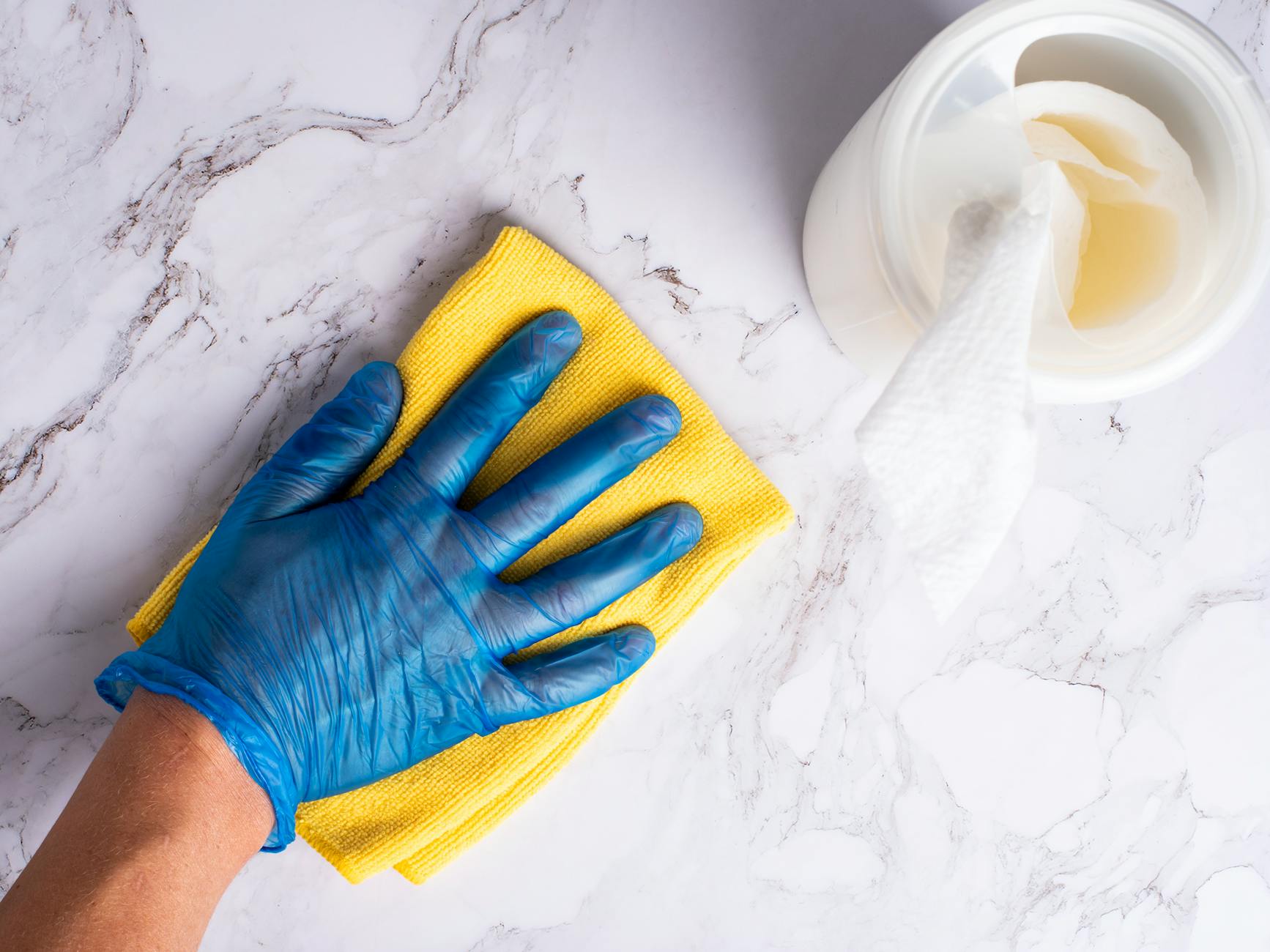
Disinfecting wipes became household essentials in recent years, especially as consumers focused more heavily on sanitizing surfaces. While these products are effective at killing germs, some health experts have raised concerns about certain chemical ingredients that may carry long-term health risks with repeated exposure.
It’s important to note that no major disinfecting wipe brand has been conclusively proven to directly cause cancer when used as directed. However, some products contain compounds that have been studied for possible links to cancer risk, respiratory irritation, or hormone disruption after prolonged or heavy exposure.
Clorox Disinfecting Wipes
Clorox disinfecting wipes are among the most recognizable cleaning products in America. Many formulations contain quaternary ammonium compounds, commonly called “quats,” which are widely used disinfectants.
Some researchers have questioned whether chronic exposure to certain quats could contribute to cellular stress or other long-term health concerns. While evidence remains debated, repeated chemical exposure in poorly ventilated areas has raised caution among occupational health experts.
The wipes are still considered safe when used according to label instructions, but proper ventilation is strongly recommended.
Lysol Disinfecting Wipes
Lysol wipes are another leading disinfecting product commonly used in homes, schools, and workplaces. Depending on the formulation, these wipes may contain quats, fragrance chemicals, and preservatives that have undergone toxicology review.
Some fragrance ingredients used in household cleaners have been scrutinized for potentially releasing volatile organic compounds (VOCs). Long-term heavy exposure to elevated VOC levels has been associated with possible health risks in some studies.
Concerns often focus more on cumulative exposure than occasional household use.
Seventh Generation Disinfecting Wipes
Seventh Generation markets many of its products as more environmentally conscious alternatives. However, even “greener” disinfecting wipes may still contain active antimicrobial agents requiring careful handling.
Some formulations use thymol, a plant-derived compound from thyme oil. While generally considered safer than harsher synthetic disinfectants, concentrated antimicrobial chemicals can still cause irritation or sensitivity with repeated exposure.
Consumers sometimes assume all natural-based products are automatically risk-free, but concentrated cleaning agents still deserve caution.
Common ingredients consumers often monitor in disinfecting wipes include:
- Quaternary ammonium compounds (quats)
- Synthetic fragrance blends
- Volatile organic compounds (VOCs)
- Preservatives and antimicrobial agents
The level of exposure and frequency of use often matter more than the ingredient alone.
Microban 24 Sanitizing Wipes
Microban 24 products became especially popular because of their long-lasting antibacterial marketing claims. These wipes often contain powerful antimicrobial ingredients designed to continue working after application.
Health concerns surrounding these products generally focus on repeated chemical exposure over time, especially for people using them daily in enclosed spaces. Some experts also warn that overuse of antimicrobial chemicals may contribute to broader environmental and resistance concerns.
Using gloves and ensuring airflow during cleaning can help reduce unnecessary exposure.
Scrubbing Bubbles Disinfecting Wipes
Scrubbing Bubbles wipes are commonly used in bathrooms and kitchens where ventilation may already be limited. Their formulas may contain disinfectants combined with fragrance chemicals and cleaning solvents.
Some chemical solvents used in household cleaners have been evaluated for potential carcinogenic effects at high or prolonged exposure levels. While consumer products are regulated for safety, repeated exposure without proper precautions may still increase irritation risks.
Bathroom cleaning products are especially important to use carefully because fumes can accumulate quickly in small spaces.
Conclusion
Disinfecting wipes play an important role in modern cleaning routines, but they also contain active chemicals designed to kill bacteria and viruses. While no major wipe brand has been definitively proven to cause cancer through normal use, some ingredients have raised questions among researchers studying long-term chemical exposure.
The safest approach is balanced use, good ventilation, and following label instructions carefully. Understanding what’s inside common cleaning products helps consumers make more informed decisions about everyday household exposure.




Leave a Reply