
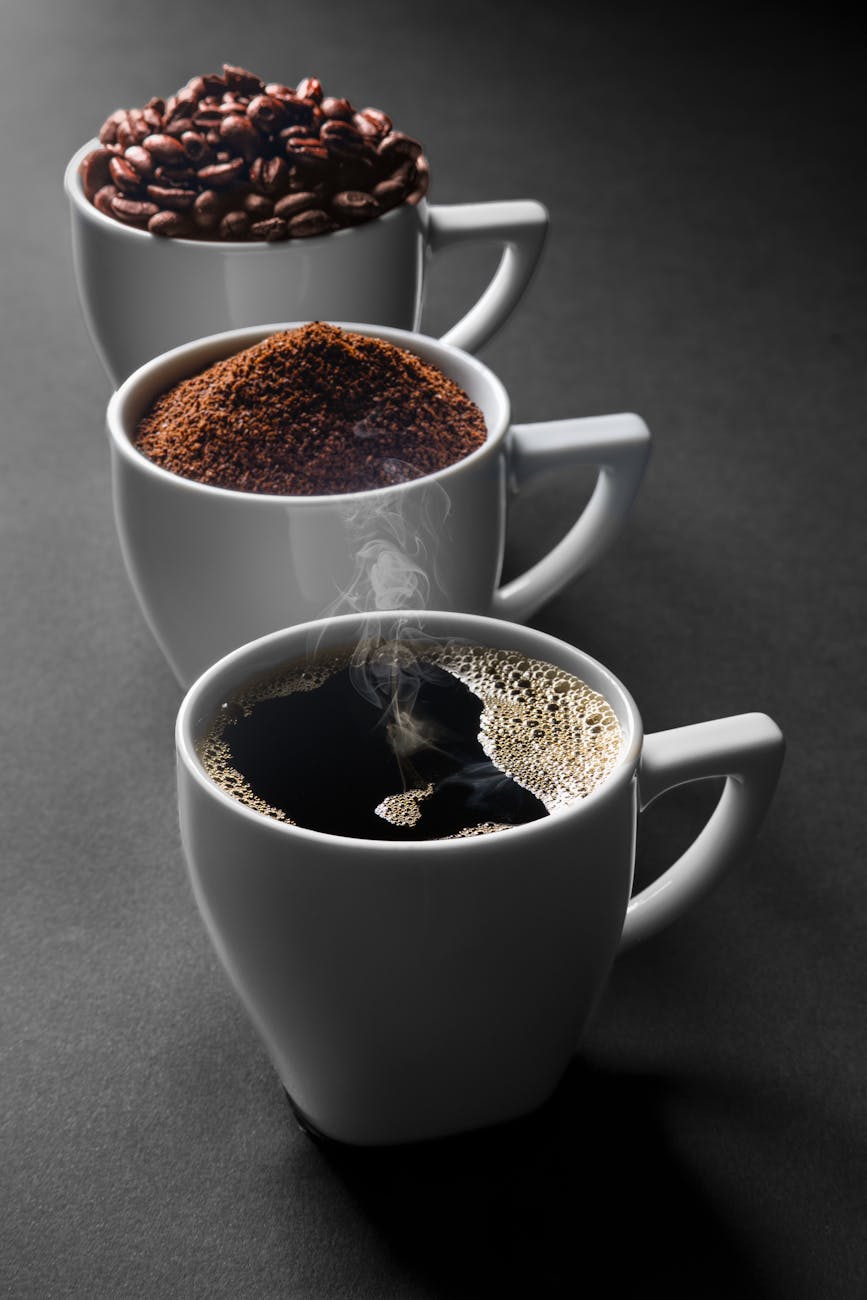
For many coffee drinkers, Starbucks is the default choice for beans and brewed coffee. Its global reach and recognizable flavor profile have made it one of the most influential coffee companies in modern history.
However, plenty of coffee enthusiasts argue that smaller or specialty-focused brands offer fresher roasting, more distinctive flavor notes, and better sourcing practices. From light roasts with fruity complexity to bold dark blends with smoother finishes, there are several coffee bean brands that many fans believe outperform typical chain-store offerings.
Stumptown Coffee Roasters
Stumptown Coffee Roasters built its reputation through direct-trade sourcing and carefully crafted roasting techniques. Founded in Portland, the company became a major force in the rise of third-wave coffee culture in the United States.
Many coffee lovers prefer Stumptown because its beans often highlight nuanced tasting notes rather than heavily roasted bitterness. Lighter roasts can reveal hints of citrus, berry, or chocolate that are often muted in darker commercial blends.
Its popular Hair Bender blend remains a favorite among espresso drinkers for balancing sweetness, body, and acidity. Freshness also plays a major role, as many specialty roasters emphasize recent roast dates over long shelf stability.
Intelligentsia Coffee
Intelligentsia Coffee is known for emphasizing single-origin beans and precision brewing methods. The company helped popularize transparency in sourcing, allowing customers to learn more about where their coffee was grown.
Compared to mass-market coffee, Intelligentsia’s offerings often feature brighter and more layered flavors. This appeals to drinkers who enjoy tasting subtle differences between beans from Ethiopia, Colombia, or Guatemala.
The company also focuses heavily on brewing education and quality control. That attention to detail has earned it a loyal following among serious coffee enthusiasts.
Counter Culture Coffee
Counter Culture Coffee has developed a strong reputation for sustainability and carefully sourced beans. Its coffees are often praised for balancing bold flavor with clean finishes that avoid excessive bitterness.
One reason many coffee fans prefer Counter Culture is the company’s emphasis on seasonal offerings. Rather than maintaining the exact same taste year-round, blends evolve depending on harvest conditions and bean availability.
Popular qualities coffee drinkers often seek in specialty brands include:
- Fresher roast dates
- More transparent sourcing practices
- Less burnt or smoky flavor
- Greater flavor complexity
- Higher-quality arabica beans
These traits are frequently cited when comparing specialty roasters to larger commercial chains.
Blue Bottle Coffee
Blue Bottle Coffee became famous for its minimalist approach to coffee roasting and brewing. The company prioritizes freshness and often ships beans shortly after roasting.
Blue Bottle’s coffees tend to emphasize clarity and balance rather than extremely dark roasting. This creates a cleaner taste profile that many drinkers find smoother and less bitter than heavily roasted chain coffee.
Its cafes also helped popularize pour-over brewing in the United States. This method allows drinkers to experience more delicate flavor characteristics from single-origin beans.
Peet’s Coffee
Peet’s Coffee actually predates Starbucks and played a major role in shaping American specialty coffee culture. Founded in California, the brand became known for introducing darker European-style roasts to U.S. consumers.
Unlike some specialty brands that focus heavily on lighter roasts, Peet’s maintains a bold profile while still offering smoother flavor balance than many mass-market coffees. Its beans are often described as rich without tasting overly charred.
Peet’s also appeals to coffee drinkers who want a stronger roast while still prioritizing bean quality. This balance has helped it remain a respected alternative for decades.
Conclusion
Coffee preference ultimately comes down to personal taste, but many specialty brands focus heavily on freshness, sourcing transparency, and roasting precision. These factors can create noticeably different flavor experiences compared to large commercial chains.
Whether someone prefers bright single-origin beans or rich espresso blends, exploring different roasters can completely change how coffee tastes. For many enthusiasts, discovering smaller or specialty-focused brands becomes part of the enjoyment itself.



Leave a Reply