
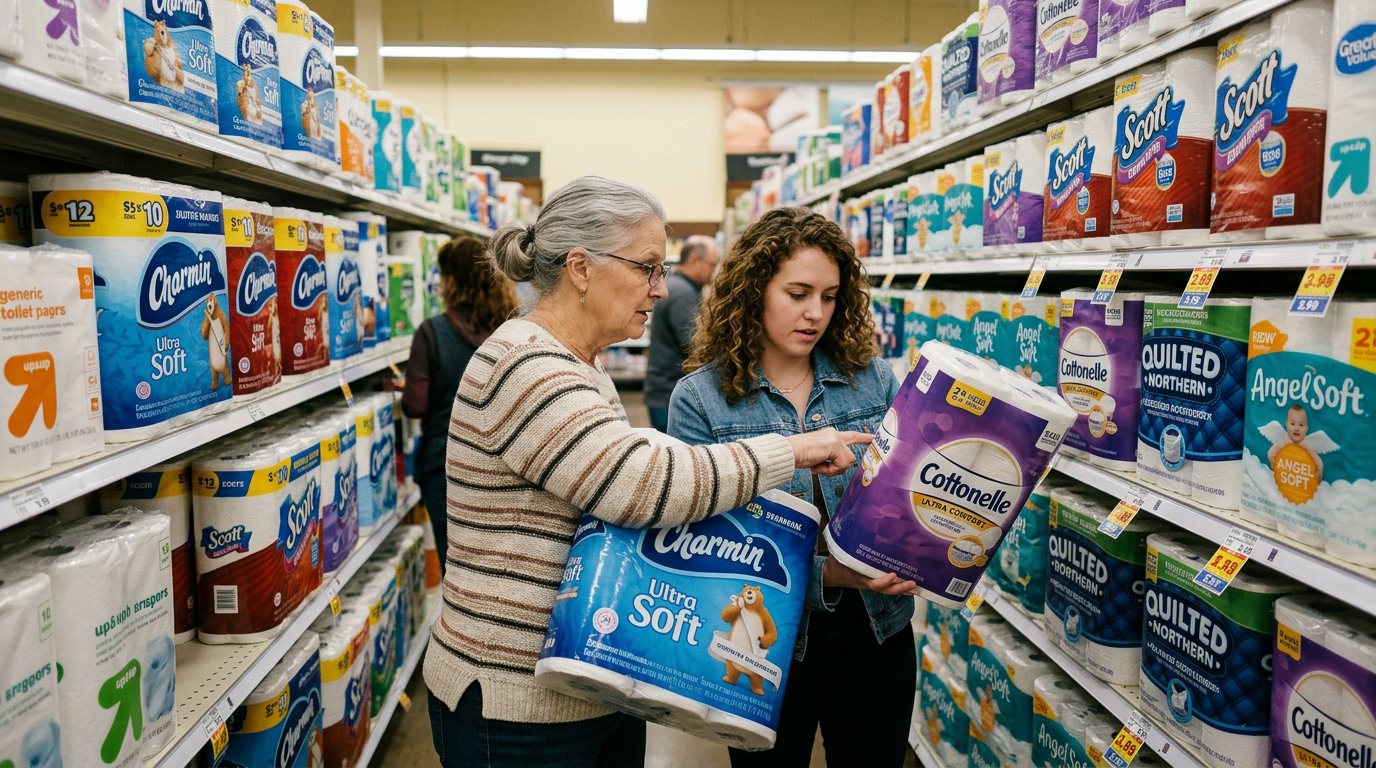
Toilet paper is something most people use multiple times a day without a second thought. However, research has shown that certain manufacturing processes and materials can introduce trace chemicals—some of which have been linked to long-term health concerns, including cancer, when exposure is repeated over time.
Charmin Ultra Soft
Charmin Ultra Soft is one of the most widely used toilet paper products in the United States. Testing has detected markers of PFAS—often called “forever chemicals”—in samples of this brand.
PFAS are linked to a variety of health concerns, including increased cancer risk and hormone disruption. Because these chemicals persist in the body and environment, repeated exposure—even in small amounts—can accumulate over time.
Seventh Generation 100% Recycled Bath Tissue
Seventh Generation 100% Recycled Bath Tissue is often marketed as an eco-friendly alternative. However, recycled paper products can carry contaminants like BPA from previous materials.
BPA exposure has been associated with endocrine disruption, which may increase cancer risk under prolonged exposure. Additionally, this brand has also shown PFAS indicators in some testing, raising further concerns.
Who Gives a Crap Bamboo Toilet Paper
Who Gives a Crap Bamboo Toilet Paper is a popular sustainable option made from bamboo fibers. While marketed as cleaner, testing has still found fluorine markers that suggest PFAS presence.
This highlights a broader issue: even alternative materials can be affected by manufacturing processes. PFAS exposure has been linked to cancer, immune system suppression, and hormonal changes.
Tushy Bamboo Toilet Paper
Tushy Bamboo Toilet Paper is another eco-focused product that has tested positive for PFAS indicators. These chemicals may not be intentionally added but can still appear due to processing or environmental contamination.
Long-term exposure to PFAS has been associated with liver damage and increased cancer risk. The concern is less about single use and more about cumulative, daily exposure over years.
Generic Bleached Toilet Paper Brands
Many standard, unnamed “store brands” use chlorine bleaching to achieve a bright white appearance. This process can produce dioxins, which are classified as carcinogenic compounds.
Dioxins can accumulate in fatty tissue and remain in the body for long periods. Even trace exposure, repeated daily, has been linked to immune system damage and increased cancer risk.
- PFAS (“forever chemicals”) can accumulate in the body
- BPA from recycled materials may disrupt hormones
- Chlorine bleaching can create carcinogenic dioxins
- Formaldehyde additives may irritate and pose long-term risks
- Daily exposure increases cumulative health impact
It’s important to note that the levels of these chemicals in toilet paper are typically low and not immediately dangerous. However, because of frequent use and contact with sensitive skin, long-term exposure is what raises concern among researchers.


Leave a Reply