
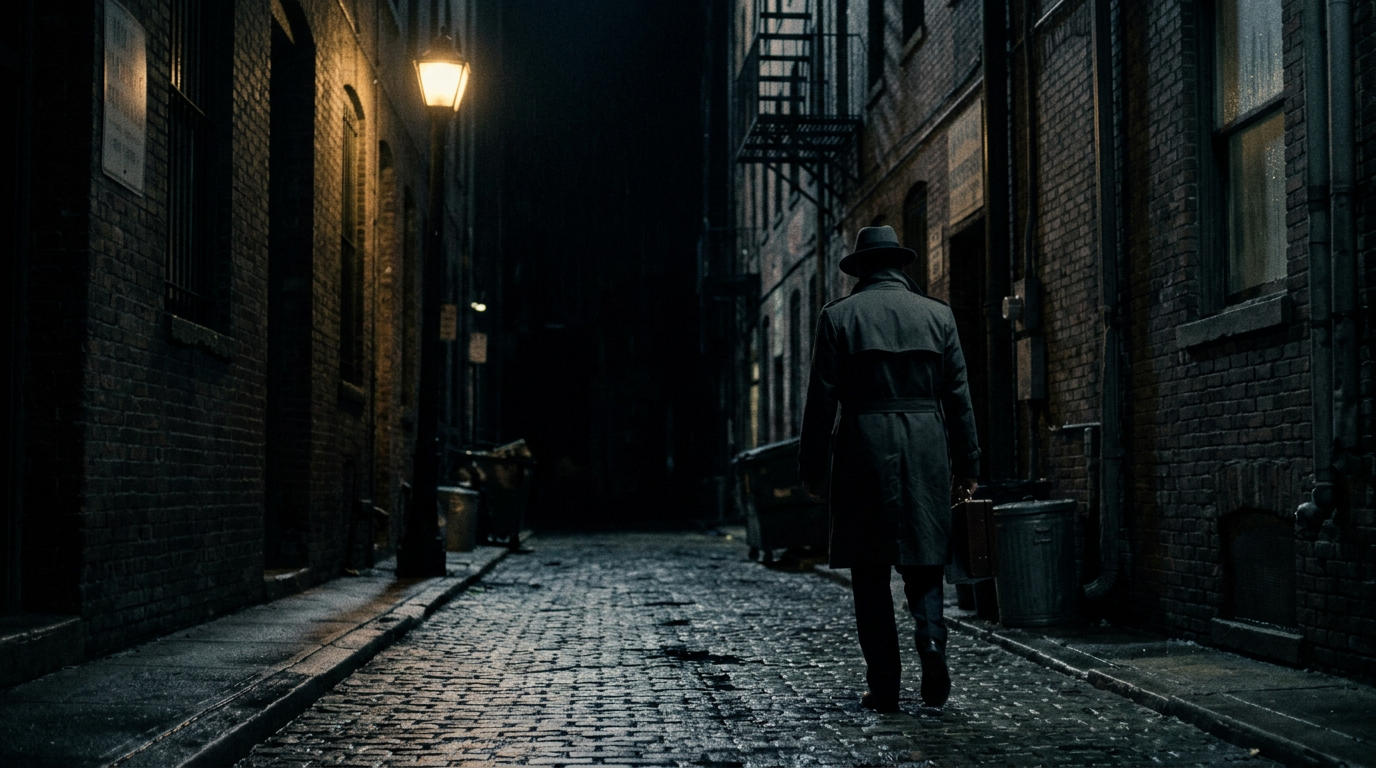
Organized crime history is filled with figures who became legends not only for what they allegedly did, but also for how their stories ended in mystery. In several cases, law enforcement never fully solved their disappearances or never secured convictions for major alleged crimes, leaving behind unanswered questions.
Frank Matthews
Frank Matthews was one of the most successful drug traffickers in the United States during the early 1970s. He built a massive distribution network spanning multiple states and was reportedly moving large quantities of narcotics before vanishing in 1973.
What makes his story notable is that he disappeared while out on bail and was never seen again. Despite intense investigations, authorities never confirmed whether he fled abroad, was killed, or assumed a new identity.
Rocco Perri
Rocco Perri was a major figure in Canada’s bootlegging and gambling operations during the Prohibition era. Known as the “King of the Bootleggers,” he controlled extensive criminal networks across Ontario.
In 1944, Perri disappeared without explanation while reportedly going for a walk. Neither his body nor definitive evidence of his fate was ever found, making his case one of Canada’s most enduring organized crime mysteries.
Ambrose Small
Ambrose Small was a wealthy theater owner whose disappearance in 1919 remains unsolved. While not a traditional mobster, his financial dealings and rumored connections to shady figures keep his case linked to early organized crime speculation.
He vanished shortly after selling his theater empire and withdrawing a large sum of money. Despite extensive searches, no trace of him was ever discovered, and his fate remains unknown.
“The Irishman” Figures and Unresolved Cases
Several mid-20th-century organized crime figures, sometimes loosely grouped under Irish-American syndicates, also left behind unresolved stories. These individuals often operated in gambling, labor racketeering, and loan sharking.
In many cases, lack of modern forensic tools and limited witness cooperation meant that disappearances went unsolved or allegations never reached court. This created a pattern where suspicion lingered without formal resolution.
Common factors in these cases included:
- Weak or unreliable witness testimony
- Limited surveillance technology at the time
- Witness intimidation within organized crime circles
- Cross-border activity complicating jurisdiction
- Missing financial records tied to illegal operations
These conditions allowed several figures to avoid definitive legal closure, even when suspicion was widespread.
Lesser-Known Disappearing Crime Figures
Beyond the most famous names, numerous regional crime figures also vanished without resolution. These individuals often operated in smaller networks but still controlled gambling, smuggling, or protection rackets.
Their disappearances were rarely fully investigated in the public eye, but they contributed to the broader mythos of “untraceable” organized crime leaders. In many cases, rival gangs or internal disputes are believed to have played a role, though nothing was ever proven.
The Legacy of Unresolved Crime Stories
Cases involving missing or unprosecuted crime figures continue to fascinate historians and true-crime researchers. The combination of secrecy, fear, and incomplete records makes definitive answers difficult even decades later.
While modern investigative tools have improved outcomes in many cases, these historical mysteries remain open reminders of how organized crime once operated with far less accountability.




Leave a Reply