
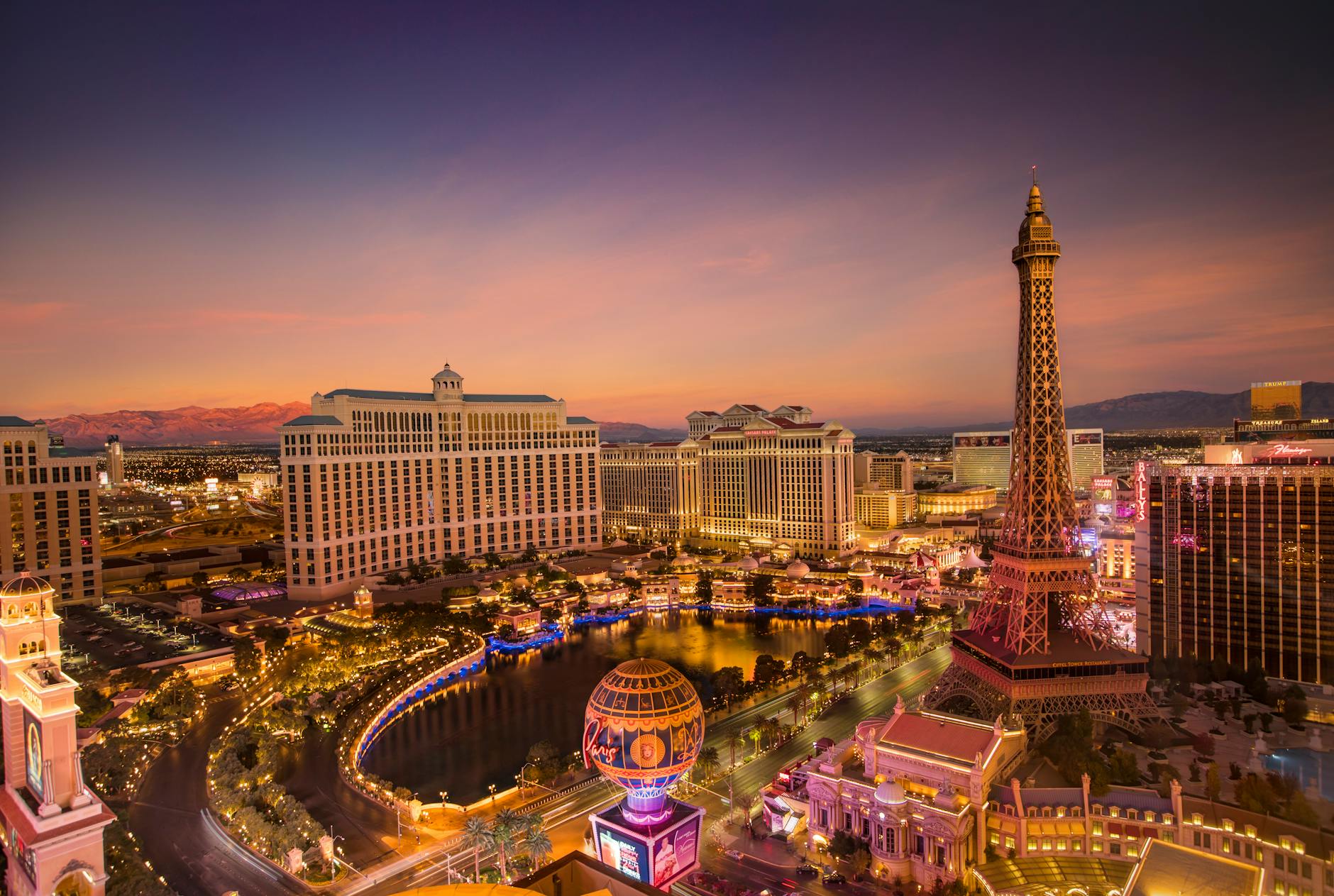
Las Vegas has a long and complicated history tied to organized crime, especially during its early growth in the mid-20th century. Before corporate casino operators took over, several major hotels and casinos were financed or influenced by figures associated with organized crime. These properties helped shape the Strip into the entertainment capital it is today. Here are five Las Vegas hotels once linked to mob ownership or control.
Flamingo Las Vegas
The Flamingo Las Vegas is often considered the first luxury casino resort on the Strip. It was developed in the 1940s with significant involvement from gangster figure Bugsy Siegel.
Siegel envisioned a glamorous destination that blended high-end hospitality with casino gambling. While the project faced financial struggles early on, it ultimately became a blueprint for future Las Vegas resorts.
Despite its mob-linked origins, the Flamingo eventually transitioned into corporate ownership. Today, it remains one of the most recognizable names in Las Vegas hospitality.
The Sands Hotel
The The Sands Hotel opened in 1952 and quickly became a hotspot for celebrities and entertainers. It was widely associated with mob financing during its early years.
Frank Sinatra and the Rat Pack famously performed there, helping elevate its reputation. Behind the glamour, however, organized crime figures were believed to have significant influence over operations.
The Sands was eventually demolished in 1996, making way for modern developments. Still, its legacy remains tied to both entertainment history and mob-era Las Vegas.
Stardust Resort and Casino
The Stardust Resort and Casino opened in 1958 and became one of the most profitable casinos on the Strip. It was later revealed that mob-controlled labor and skimming operations were tied to its early success.
The property was part of a larger federal investigation into organized crime influence in Las Vegas casinos. These investigations exposed how profits were sometimes diverted before official reporting.
Despite its popularity, the Stardust was eventually demolished in 2007. Its history remains one of the most studied examples of mob involvement in Vegas gambling.
Riviera Hotel and Casino
The Riviera Hotel and Casino opened in 1955 and was another landmark tied to organized crime funding. It became known for its flashy shows and high-roller gambling rooms.
Mob influence was alleged in its early financial backing and operations. Like many properties of its era, it blended entertainment with questionable financial oversight.
The Riviera operated for decades before closing in 2015. It was later demolished as part of Strip redevelopment efforts.
Desert Inn
The Desert Inn opened in 1950 and quickly became one of the most upscale resorts of its time. It was partially financed by individuals later linked to organized crime activity in Las Vegas.
Despite its elegant reputation, behind-the-scenes control was often associated with mob-era business practices. It remained a key Strip destination for decades.
The property was closed in 2000 and later demolished. Today, its former site is part of modern casino developments.
Common Themes in Mob-Era Vegas Hotels
Many of these historic properties shared similar patterns during their early years. While they differed in style and size, their development often involved hidden financial influences.
Key characteristics included:
- Early casino financing tied to unofficial investors
- Heavy focus on entertainment and celebrity performers
- Limited regulatory oversight in early Las Vegas history
- Transition from mob influence to corporate ownership
These factors helped shape the rapid growth of Las Vegas into a gambling and tourism hub. Over time, stricter regulations pushed out illegal financial involvement.
Conclusion
The early history of Las Vegas hotels reflects a unique and complex period of growth. While organized crime influence played a role in some developments, these properties also helped establish the foundation of modern casino resorts.
Today’s Las Vegas Strip is heavily regulated and corporate-driven, but traces of its past still remain in its most iconic locations. Understanding this history provides context for how the city evolved into what it is now.




Leave a Reply