
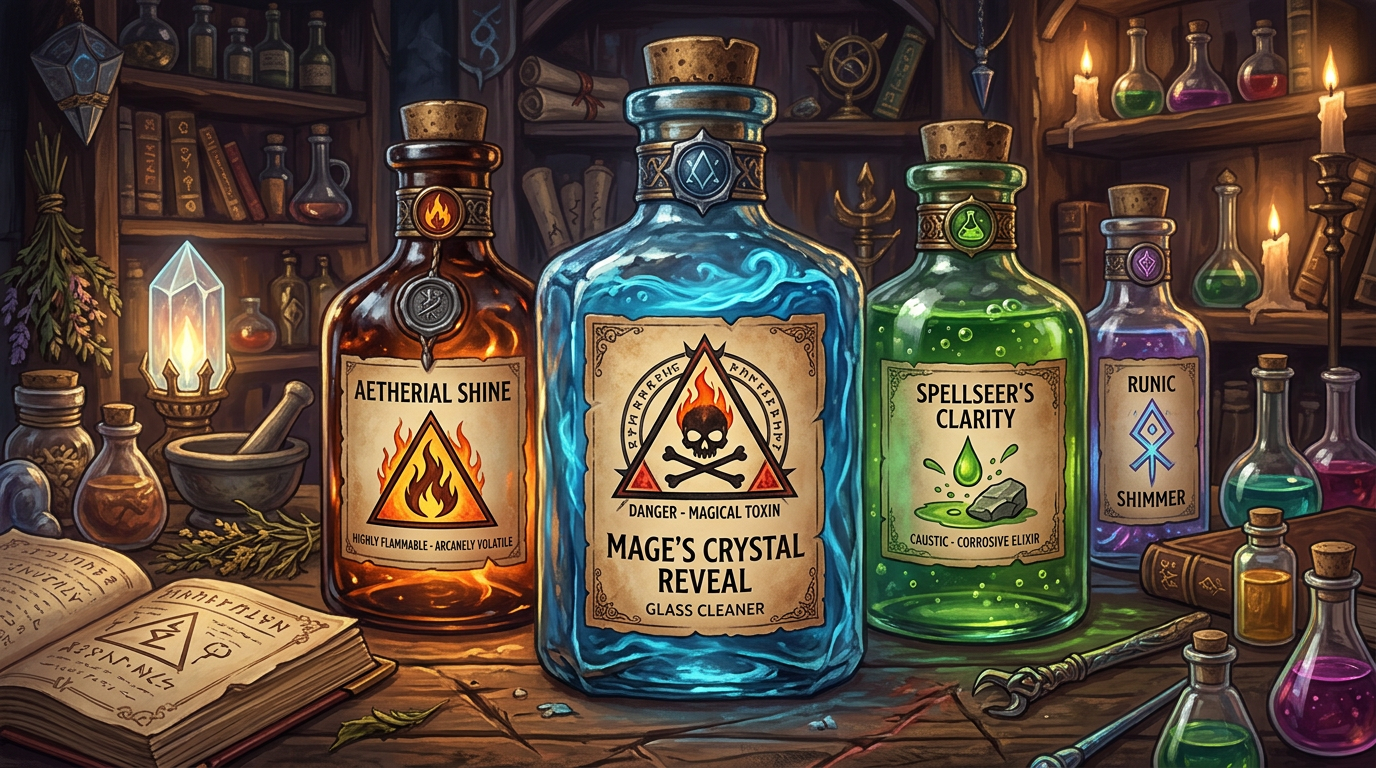
Headlines about everyday products and cancer risk can be alarming, especially when they involve common household cleaners. It’s important to be clear: there is no strong scientific evidence that specific glass cleaner brands directly cause Cancer. What researchers do study are certain chemical exposures over long periods, particularly in poorly ventilated environments or with repeated misuse. With that context, here are five well-known glass cleaners often mentioned in broader discussions about chemical exposure and safety.
Windex Original Glass Cleaner
Windex Original Glass Cleaner is one of the most recognizable cleaning products in the U.S. It typically contains ammonia, which helps cut through grease and leave streak-free surfaces.
Ammonia can irritate the respiratory system if inhaled in large amounts or used in confined spaces. While not classified as a direct cancer-causing agent in this context, repeated exposure to strong fumes is often discussed in occupational health studies.
Using proper ventilation reduces potential risks significantly. Most concerns come from prolonged or improper use rather than normal household cleaning.
Sprayway Glass Cleaner
Sprayway Glass Cleaner is popular for its foaming formula and streak-free finish. It is often sold in aerosol cans, which can increase inhalation exposure during use.
Aerosolized particles can linger in the air, especially in small or enclosed areas. Some discussions around cleaning products focus on long-term inhalation of chemical mixtures rather than individual ingredients.
Again, there is no direct link to cancer from normal use. The emphasis remains on minimizing unnecessary exposure.
Invisible Glass Cleaner
Invisible Glass Cleaner is commonly used for both car windows and home surfaces. It is designed to leave no residue or streaks.
Like many cleaners, it contains solvents that can produce fumes. These fumes may cause irritation if used excessively without airflow.
While not proven to cause cancer, solvent exposure is often studied in industrial settings. Household use is generally considered low risk when directions are followed.
Method Glass Cleaner
Method Glass Cleaner is marketed as a more environmentally friendly option. It uses alternative ingredients compared to traditional ammonia-based cleaners.
Even so, “natural” does not automatically mean risk-free. Any cleaning product can cause irritation or sensitivity with overuse.
There is no evidence linking this product to cancer. The broader discussion focuses on cumulative exposure to various chemicals over time.
Seventh Generation Glass Cleaner
Seventh Generation Glass Cleaner is another brand positioned as a safer alternative. It avoids some of the harsher chemicals found in conventional cleaners.
Despite this, it still contains active cleaning agents that should be used carefully. Misuse or overexposure can lead to irritation.
As with other products, no direct cancer link has been established. Safe usage practices remain the most important factor.
What Actually Drives Concern About Cleaners
When people discuss cleaning products and health risks, the focus is usually on long-term exposure rather than specific brands. Occupational settings often provide more relevant data than occasional home use.
Key factors include:
- Frequency and duration of exposure
- Ventilation during use
- Mixing multiple cleaning products
- Direct inhalation of fumes
These elements can influence overall risk levels. Proper use significantly reduces potential concerns.
Conclusion
Glass cleaners are a routine part of household maintenance, and when used correctly, they are considered safe for most people. While certain chemicals have been studied for long-term exposure effects, there is no evidence tying specific products directly to cancer.
Understanding how to use these cleaners responsibly—through ventilation, moderation, and proper handling—can help ensure a safe cleaning routine. Awareness, rather than fear, is the best approach.




Leave a Reply