
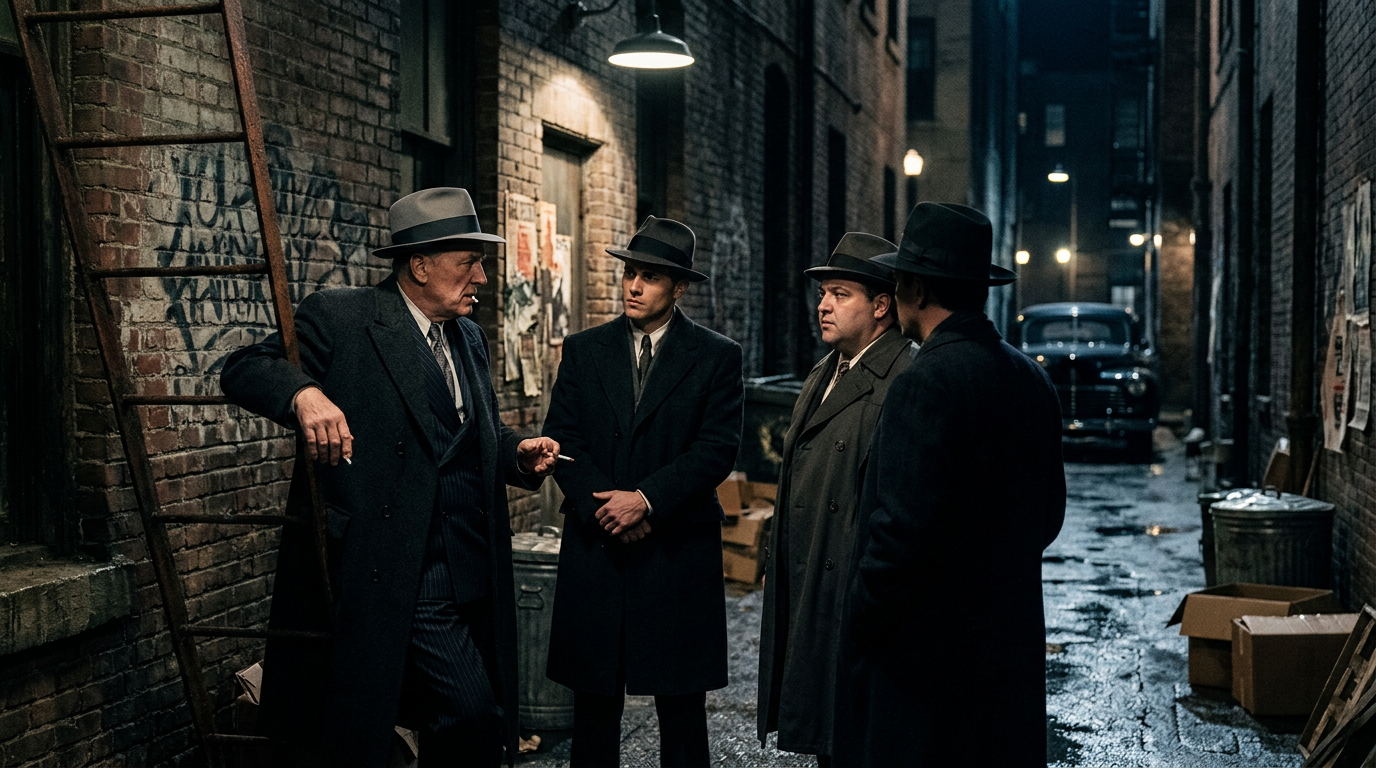
Organized crime in the United States has evolved significantly over the past century. While law enforcement efforts have weakened many traditional groups, several organizations still maintain a presence through smaller networks and illicit activities. These groups are far less visible than in their peak years, but their influence can still be found in certain regions and industries.
Understanding these organizations is less about myth and more about recognizing how they have adapted over time.
Gambino crime family
Gambino crime family is one of the most well-known groups associated with organized crime in the United States. Based in New York, it rose to prominence during the 20th century.
Although leadership changes and arrests have reduced its power, the group is believed to still operate in a more limited capacity. Its structure has become more discreet over time.
Genovese crime family
Genovese crime family has long been considered one of the more structured and disciplined organizations. It has historically maintained a lower public profile compared to others.
This approach has helped it avoid some of the attention that led to the downfall of rival groups. It is often cited as one of the more resilient families.
Lucchese crime family
Lucchese crime family has operated in various industries, including construction and transportation. Like other families, it has faced significant legal pressure over the years.
Despite this, smaller networks tied to the group are believed to persist. Its operations today are far less centralized than in the past.
Bonanno crime family
Bonanno crime family experienced internal conflicts that weakened its structure in the late 20th century. However, it has since stabilized to some degree.
It continues to be mentioned in discussions of organized crime in New York. Its influence is more subdued compared to its peak years.
Colombo crime family
Colombo crime family has a history marked by internal disputes and leadership struggles. These conflicts significantly impacted its operations.
Even so, remnants of the organization are believed to remain active. Its current presence is considered limited but ongoing.
Chicago Outfit
Chicago Outfit is one of the most prominent groups outside New York. It has roots dating back to the Prohibition era.
While no longer as powerful as it once was, it is still referenced in law enforcement reports. Its operations today are thought to be more fragmented and less visible.
How Organized Crime Has Changed in the U.S.
Modern organized crime looks very different from its historical image. Increased surveillance and legal enforcement have forced many groups to adapt.
Key changes include:
- Smaller, decentralized operations
- Less public visibility and fewer high-profile figures
- Greater focus on financial and digital activities
- Reduced reliance on traditional rackets
- Increased competition from other criminal networks
These shifts have made organized crime harder to track. They have also reduced its cultural visibility.
Why These Groups Still Matter
Even in a diminished form, organized crime groups can still impact certain industries and communities. Their influence is often subtle rather than overt.
Law enforcement agencies continue to monitor these organizations closely. Their persistence highlights how adaptable such networks can be.
Conclusion
While the era of highly visible mafia power in the United States has largely passed, several organizations still exist in quieter forms. These groups have adapted to modern conditions by becoming less centralized and more discreet.
Understanding their evolution provides insight into broader trends in organized crime. It also underscores the ongoing efforts required to address these networks.



Leave a Reply