
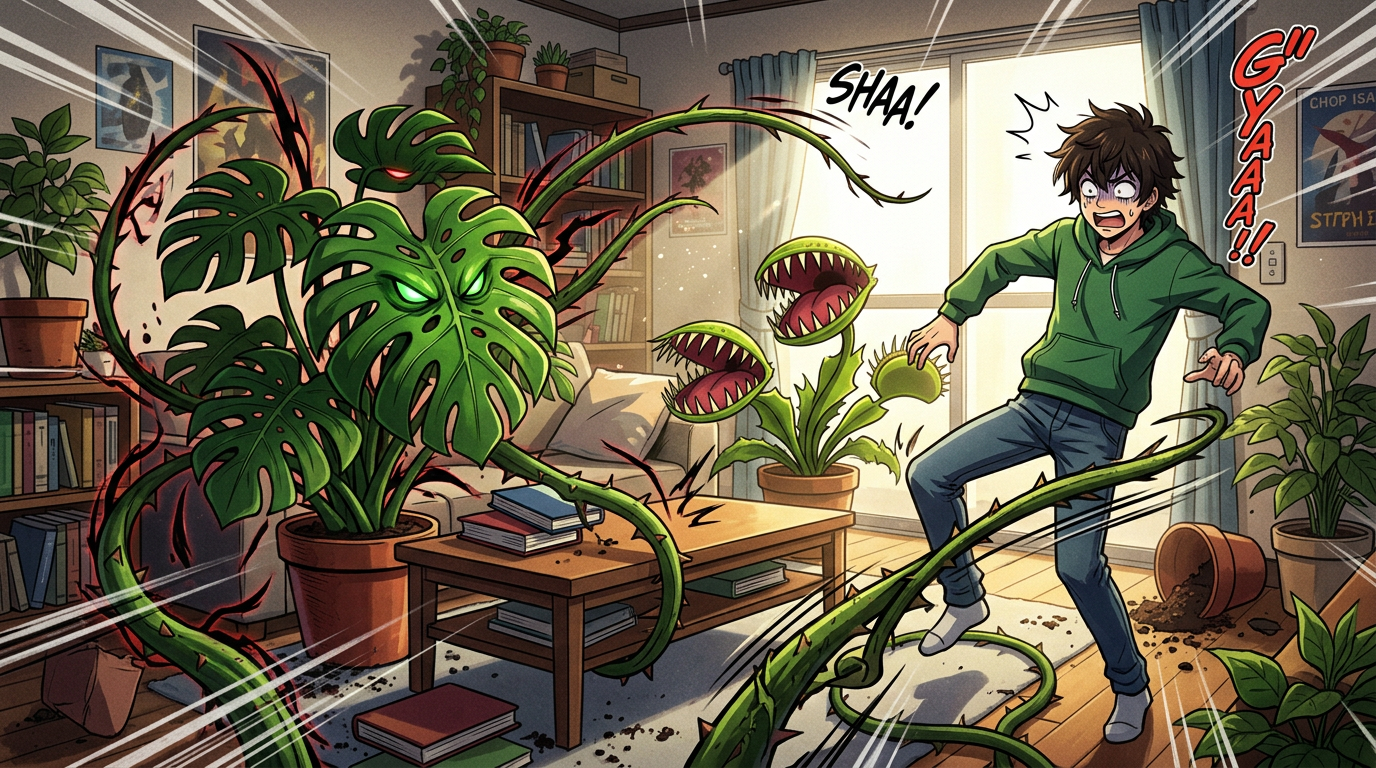
Indoor houseplants can brighten a space, improve air quality, and add a calming natural touch to your home. However, not all popular plants are completely harmless. Some contain compounds that can be toxic to humans or pets if touched or ingested, making it important to know what you’re bringing indoors.
Understanding which plants carry potential risks allows you to enjoy them safely with a few simple precautions.
Dieffenbachia (Dumb Cane)
Dieffenbachia is a common indoor plant known for its large, patterned leaves. It contains calcium oxalate crystals that can cause irritation when chewed or touched.
If ingested, it may lead to swelling of the mouth and throat. This makes it particularly risky in homes with small children or pets.
Peace lily
Peace lily is admired for its elegant white blooms and low maintenance needs. Despite its beauty, it contains compounds that can irritate the mouth and digestive system.
In pets, especially cats, ingestion can lead to drooling and vomiting. Even small amounts may cause noticeable discomfort.
Philodendron
Philodendron is widely used in homes due to its trailing vines and easy care. Like many tropical plants, it contains calcium oxalates.
Contact or ingestion can cause irritation and swelling. While rarely severe in humans, it can be more problematic for animals.
Aloe vera
Aloe vera is often kept for its soothing gel, but the plant itself contains compounds that can be toxic if ingested. The outer leaf layer contains latex-like substances that may cause digestive upset.
Pets that chew on aloe leaves may experience vomiting or lethargy. Proper placement is key to avoiding accidental ingestion.
Snake plant
Snake plant, also known as mother-in-law’s tongue, is a hardy and popular indoor plant. It contains saponins, which can cause nausea and gastrointestinal distress if consumed.
While it’s unlikely to cause severe poisoning, it can still lead to uncomfortable symptoms. Keeping it out of reach helps reduce risk.
Pothos
Pothos is a favorite for beginners due to its resilience and fast growth. However, it also contains insoluble calcium oxalates.
Chewing on the leaves can cause irritation, swelling, and discomfort. It’s one of the more common plants involved in minor household exposure incidents.
Why Some Houseplants Are Toxic
Plants develop natural defenses to protect themselves from predators. These defenses often come in the form of chemical compounds that can irritate or harm when consumed.
Common toxic elements in houseplants include:
- Calcium oxalate crystals that irritate tissues
- Saponins that affect digestion
- Latex-like compounds causing stomach upset
- Alkaloids that can impact the nervous system
- Enzymes that trigger inflammation
These compounds vary in severity depending on the plant and the amount involved. Most cases are mild but still worth avoiding.
Tips for Keeping Your Home Safe
You don’t have to avoid these plants entirely to maintain a safe environment. Simple precautions can significantly reduce potential risks.
Helpful safety tips include:
- Placing plants out of reach of children and pets
- Wearing gloves when handling or repotting
- Washing hands after touching plant sap
- Avoiding placing toxic plants in high-traffic areas
- Learning plant names and properties before खरीद
These steps make it easier to enjoy greenery without unnecessary concerns. Awareness is the most effective form of prevention.
Conclusion
Indoor plants can enhance your living space, but some come with hidden risks that are easy to overlook. Many popular varieties contain compounds that may cause irritation or discomfort if mishandled.
By understanding which plants are potentially toxic and taking simple precautions, you can safely enjoy the benefits of indoor greenery. Knowledge and placement are key to maintaining a healthy home environment.




Leave a Reply