
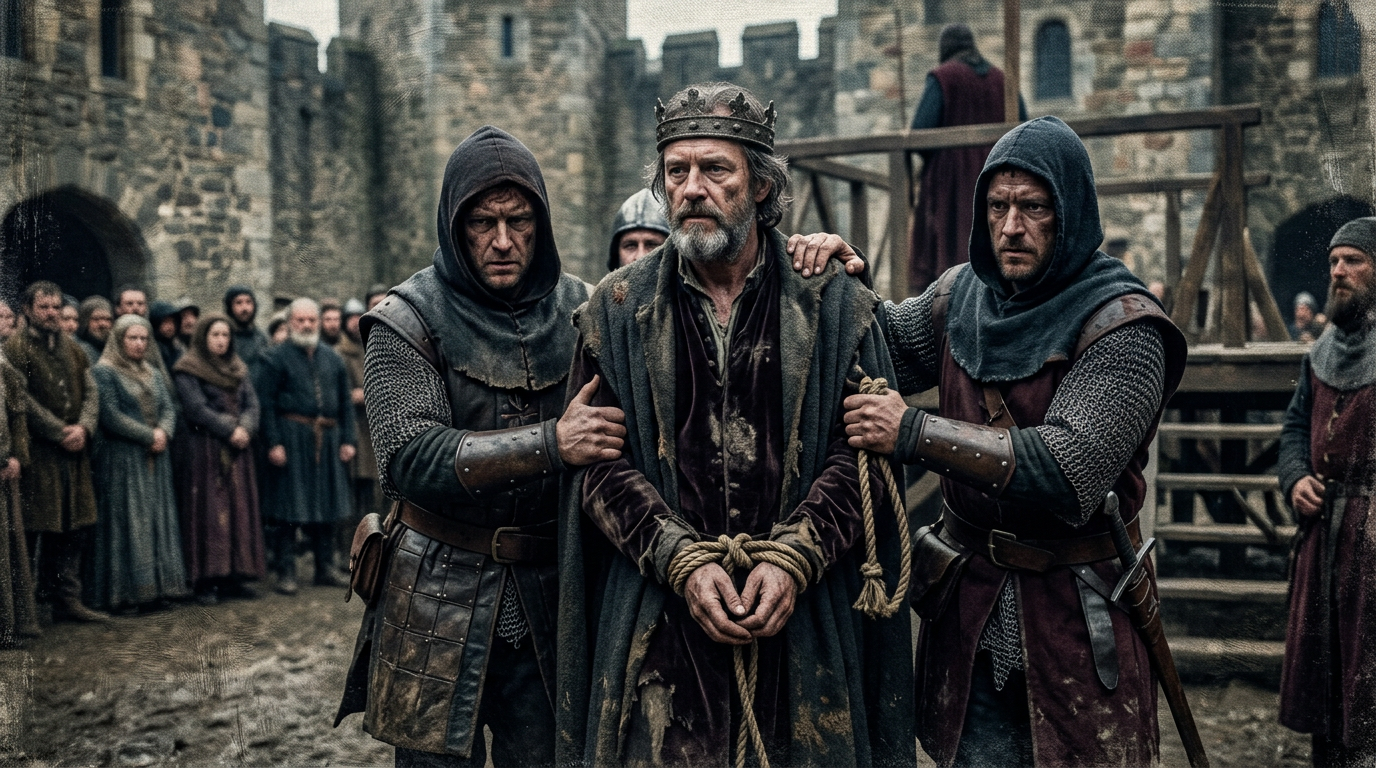
Throughout history, kings were often seen as untouchable figures chosen by divine right or hereditary rule. However, political upheaval, revolutions, and internal betrayals have led to the downfall of several monarchs. In some cases, these rulers were not merely dethroned but executed, marking dramatic turning points in their nations’ histories.
These events often symbolized the collapse of old systems and the rise of new political orders.
Charles I of England
Charles I of England was executed in 1649 following the English Civil War. His conflict with Parliament over authority and governance led to a prolonged and bloody struggle.
After being captured and tried for treason, he was sentenced to death. His execution marked a temporary end to the English monarchy and the establishment of a republic.
Louis XVI
Louis XVI was a central figure in the French Revolution. As unrest grew over economic hardship and inequality, the monarchy became a target of public anger.
He was tried and found guilty of treason by revolutionary leaders. His execution by guillotine symbolized the fall of absolute monarchy in France.
Maximilian I of Mexico
Maximilian I of Mexico was installed as emperor during a period of foreign intervention. His rule was supported by European powers but faced strong resistance within Mexico.
After losing military support, he was captured by republican forces. He was executed in 1867, ending the short-lived empire.
Nicholas II of Russia
Nicholas II of Russia was the last emperor of Russia, ruling during a time of great unrest. The Russian Revolution led to his abdication and eventual imprisonment.
In 1918, he and his family were executed by revolutionary forces. This event marked the definitive end of imperial rule in Russia.
Charles I of Naples
Charles I of Naples is sometimes associated with the execution of rival monarchs during medieval conflicts. However, a more accurate example is Conradin, a young royal figure executed after a failed campaign.
Conradin’s execution was ordered after his capture in Italy. His death marked the end of a royal line and demonstrated the harsh realities of medieval power struggles.
Common Reasons Monarchs Were Executed
The execution of kings was rarely a random act. It usually followed major political or social upheaval that challenged traditional authority.
Some of the most common causes include:
- Revolutionary movements seeking systemic change
- Civil wars that divided nations internally
- Accusations of treason or abuse of power
- Foreign intervention and shifting alliances
- Loss of military or political support
These factors often combined to create situations where monarchs could no longer maintain control. Execution became a symbolic and practical end to their rule.
The Impact of Executing a King
The execution of a monarch often had far-reaching consequences beyond the individual ruler. It could reshape governments, inspire reforms, or trigger further conflict.
In many cases, these events marked the transition from monarchy to alternative systems such as republics. They also sent a powerful message about the limits of authority.
Conclusion
The execution of kings represents some of the most dramatic moments in world history. These events highlight the vulnerability of even the most powerful rulers when faced with widespread opposition.
By examining these cases, we gain insight into how political systems evolve. The fall of monarchs often signals the beginning of significant change within a society.




Leave a Reply