
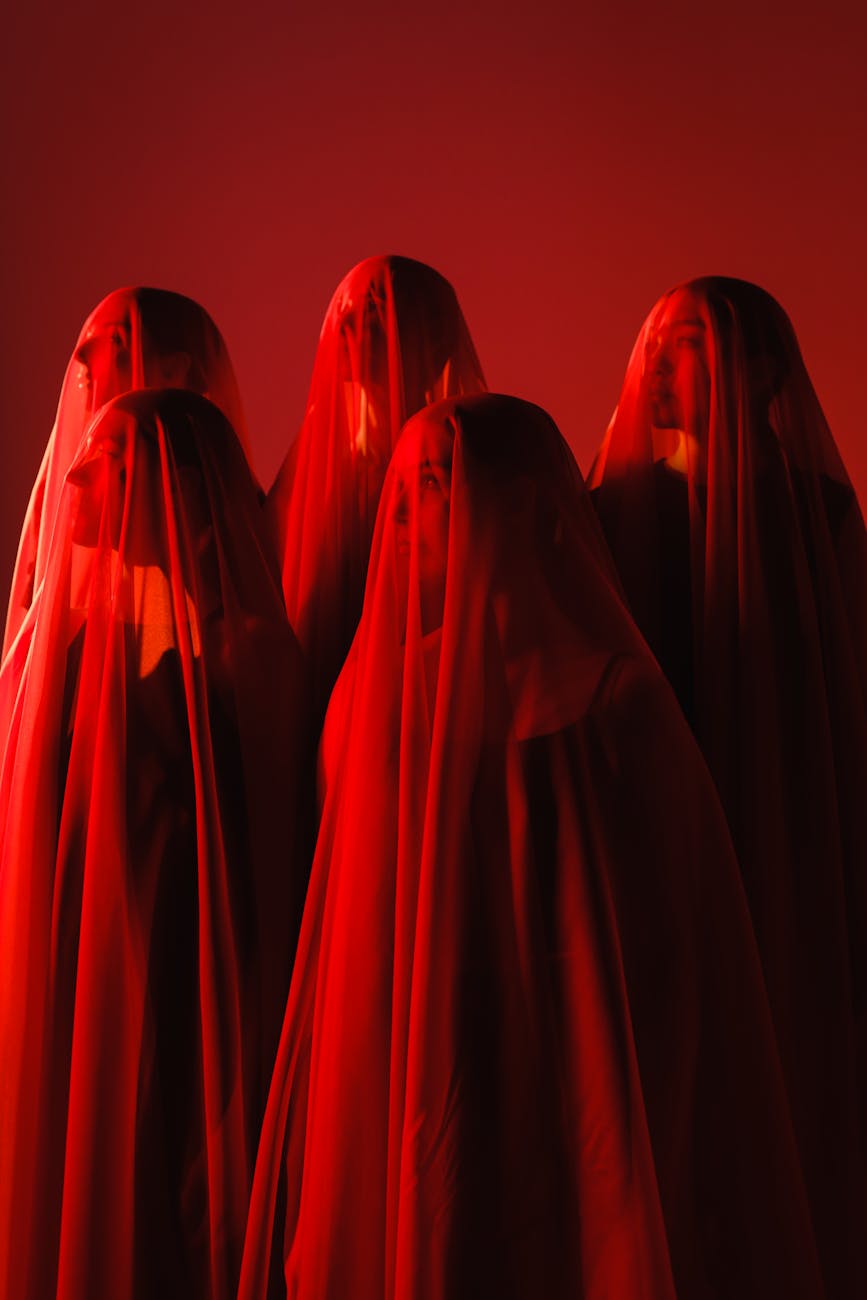
The word “cult” is often used loosely today, but in historical context it originally referred to organized systems of worship centered around specific deities or rituals. Many of the oldest religious traditions began as small mystery cults or localized spiritual movements before evolving or fading over time. These groups played an important role in shaping early religious thought, especially in ancient Mediterranean and Near Eastern societies.
Eleusinian Mysteries
The Eleusinian Mysteries were among the most famous secret religious rites in ancient Greece. Centered around the worship of Demeter and Persephone, they were practiced for nearly 2,000 years.
Participants believed the rituals offered insight into life after death. Despite their importance, the exact details of the ceremonies remain largely unknown due to strict secrecy.
Cult of Isis
The Cult of Isis spread widely across Egypt, Greece, and later the Roman Empire. It focused on the goddess Isis, who was associated with healing, motherhood, and magic.
Worshippers believed Isis could grant protection and even influence the afterlife. The cult adapted over time, blending Egyptian traditions with Greco-Roman religious practices.
Mithraic Mysteries
The Mithraic Mysteries were popular among Roman soldiers and centered on the god Mithras. These rituals were conducted in small, underground temples called mithraea.
Initiates went through a series of secretive levels or ranks. The cult emphasized loyalty, strength, and cosmic struggle between good and evil.
Cult of Cybele
The Cult of Cybele worshipped a mother goddess known as Magna Mater. Originating in Anatolia, it was later adopted by the Romans.
Its rituals were often intense and ecstatic, involving music, dance, and symbolic ceremonies. The cult was both revered and viewed with suspicion in Roman society due to its foreign origins and dramatic practices.
Dionysian Mysteries
The Dionysian Mysteries centered on Dionysus, the god of wine, fertility, and ecstasy. Followers believed that ritual celebration could bring them closer to divine experience.
These rites often involved music, dancing, and altered states of consciousness. The cult influenced later theatrical traditions and expressions of artistic freedom.
Orphism
Orphism was a mystical tradition based on teachings attributed to the mythical figure Orpheus. It emphasized purification of the soul and preparation for the afterlife.
Unlike some other mystery traditions, Orphism focused heavily on ethical living and reincarnation. Its ideas influenced later philosophical and religious thought in the ancient world.
Common Features of Ancient Mystery Cults
Despite their differences, many early religious cults shared similar structures and beliefs. They often operated in secrecy and required initiation rituals to join.
Common characteristics included:
- Secret teachings revealed only to initiates
- Rituals tied to specific gods or mythological figures
- Belief in life after death or spiritual transformation
- Small, tightly controlled membership groups
- Strong emphasis on symbolic ceremonies
These features helped distinguish them from public state religions of the time. They offered more personal spiritual experiences compared to formal civic worship.
Conclusion
Ancient mystery cults played a significant role in shaping early religious traditions across Europe and the Near East. While often secretive, they provided followers with meaning, identity, and hope for life beyond death.
Over time, many of these groups faded or evolved into broader religious systems. Their influence, however, continues to be studied as an important part of human spiritual history.




Leave a Reply